



The Problem with 'Doing' a Place
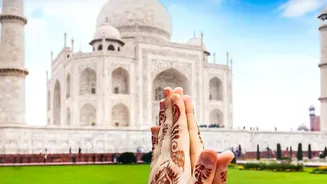
We've all felt the pressure of a packed travel itinerary. It's the feeling that you have to 'do' Agra in a day or 'cover' the highlights of Rajasthan in a week. This approach, often called mass tourism, turns a journey of discovery into a race against
time. Travellers rush from one monument to the next, focused more on getting the perfect photo for social media than on absorbing the atmosphere of a place that is thousands of years old. The result is often a collection of pictures, but few genuine memories or stories. This style of travel can leave you feeling more drained than when you left, with a vague memory of sights but little sense of the place itself. It prioritizes ticking boxes over genuine connection, leaving the rich tapestry of local life completely unexplored.
Beyond the Monument: Where Heritage Truly Lives
India's heritage is not just confined to its magnificent monuments; it is a living, breathing entity. It exists in the narrow, winding lanes of a city like Jodhpur, the bustling spice bazaars, the taste of home-cooked regional food, and the intricate techniques of local artisans. Rushed tourism often bypasses these authentic experiences. When the focus is only on major attractions, tourists miss the opportunity to understand the context that gives these sites their meaning. The real story of a place is told through its people, its culinary traditions, and its everyday life. By slowing down, travellers can look beyond the postcard view and engage with the culture that surrounds it.
Embracing the Art of Slow Travel
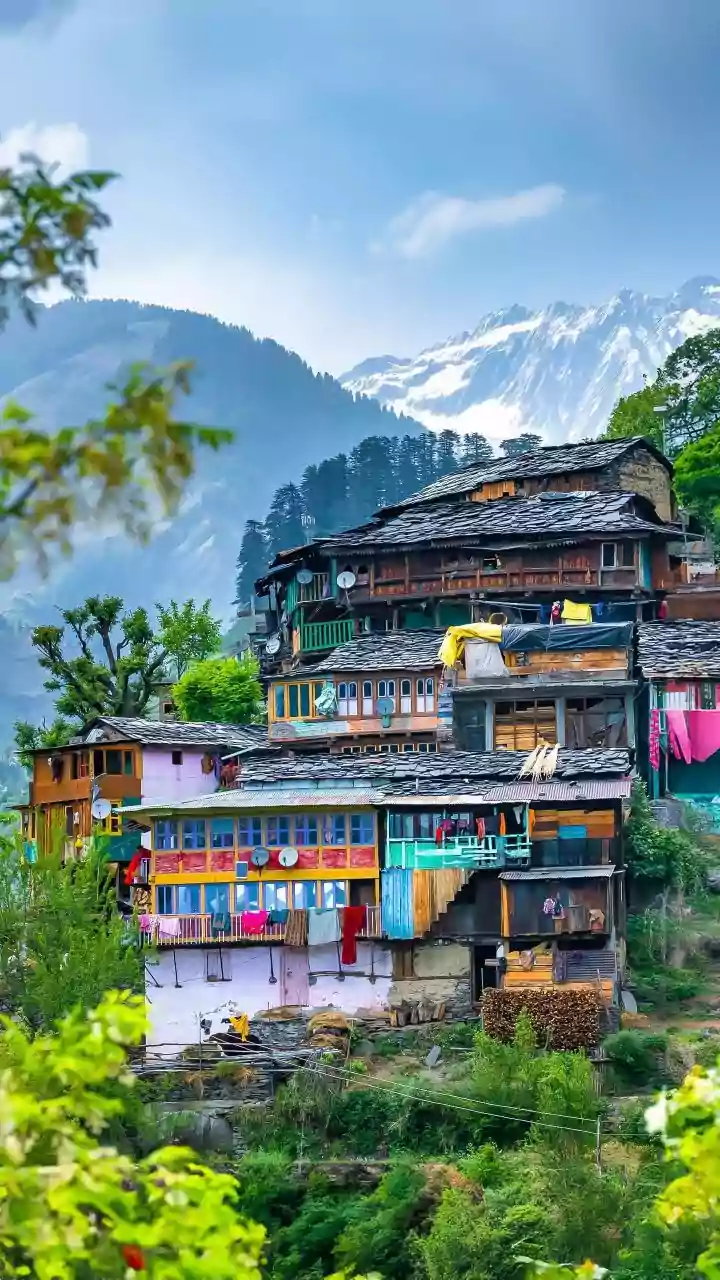
Slow travel is the antidote to the rushed vacation. Emerging from the 'Slow Food' movement, it applies the same philosophy of quality over quantity to travel. It isn't about being lazy; it's about being present. This approach encourages staying in one location for a longer period, allowing for a deeper immersion into the local culture. Instead of a blur of cities, imagine spending a week exploring the villages of the Shekhawati region, learning about their unique frescoes, or cruising the backwaters of Kerala at a leisurely pace on a houseboat. It’s about choosing to walk instead of taking a taxi, having conversations with local shopkeepers, and allowing for unplanned moments of discovery.
Deeper Connections, Lasting Memories
The rewards of slow travel are immense. By spending more time in one place, you forge deeper connections. Staying in homestays or locally-owned guesthouses, eating at family-run restaurants, and buying crafts directly from artisans not only gives you a more authentic experience but also ensures that your money directly supports the local community and helps preserve its cultural integrity. This is a more sustainable form of tourism that reduces the environmental footprint and avoids the strain of overtourism. You might learn to cook a local dish, participate in a village festival, or simply share stories over a cup of chai. These are the immersive moments that don't show up on a standard itinerary but create the most cherished and lasting memories.
How to Begin Your Slow Travel Journey
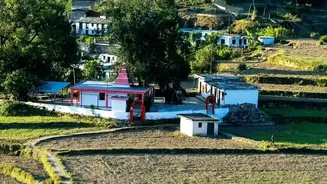
Adopting a slow travel mindset is easier than it sounds. For your next trip, consider choosing one state or even a single region to explore thoroughly instead of trying to cover half the country. Leave a few days in your itinerary completely unscheduled to allow for spontaneity. Seek out immersive experiences like a block-printing workshop in Rajasthan or a guided nature walk in the hills of Uttarakhand. Talk to people beyond your hotel concierge – your guide, a shopkeeper, a local farmer. Ask questions. By choosing depth over breadth, you're not seeing less; you're experiencing more, and in a way that is far more personal and rewarding.