
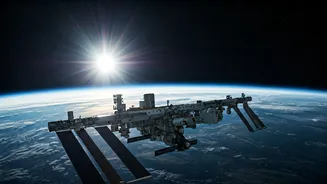



A Matter of Speed and Altitude
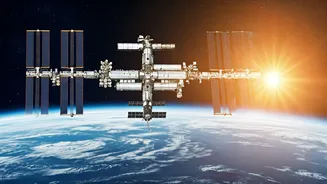
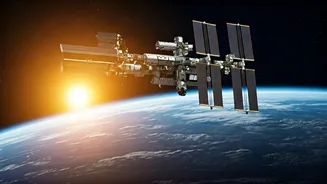
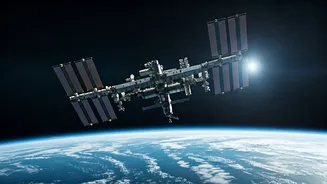
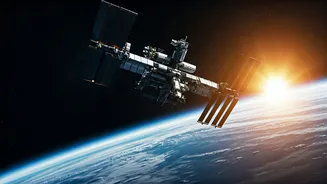
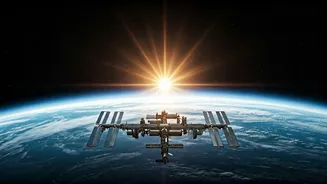
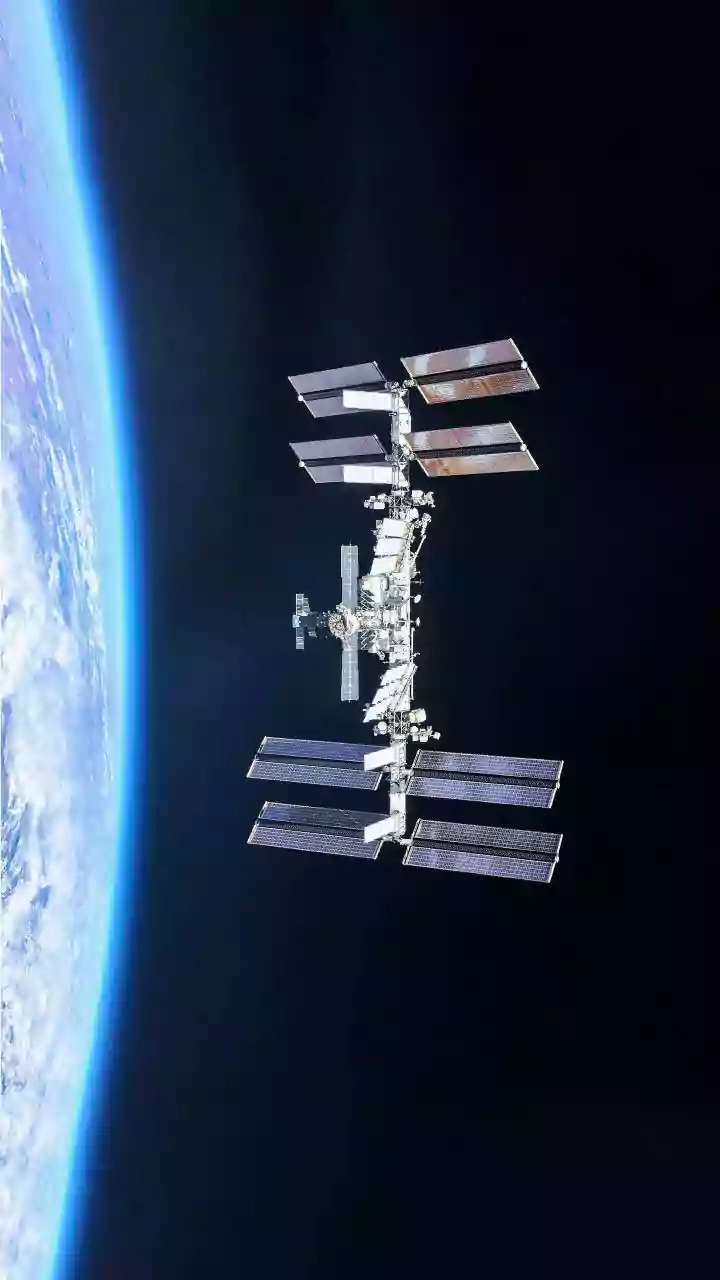
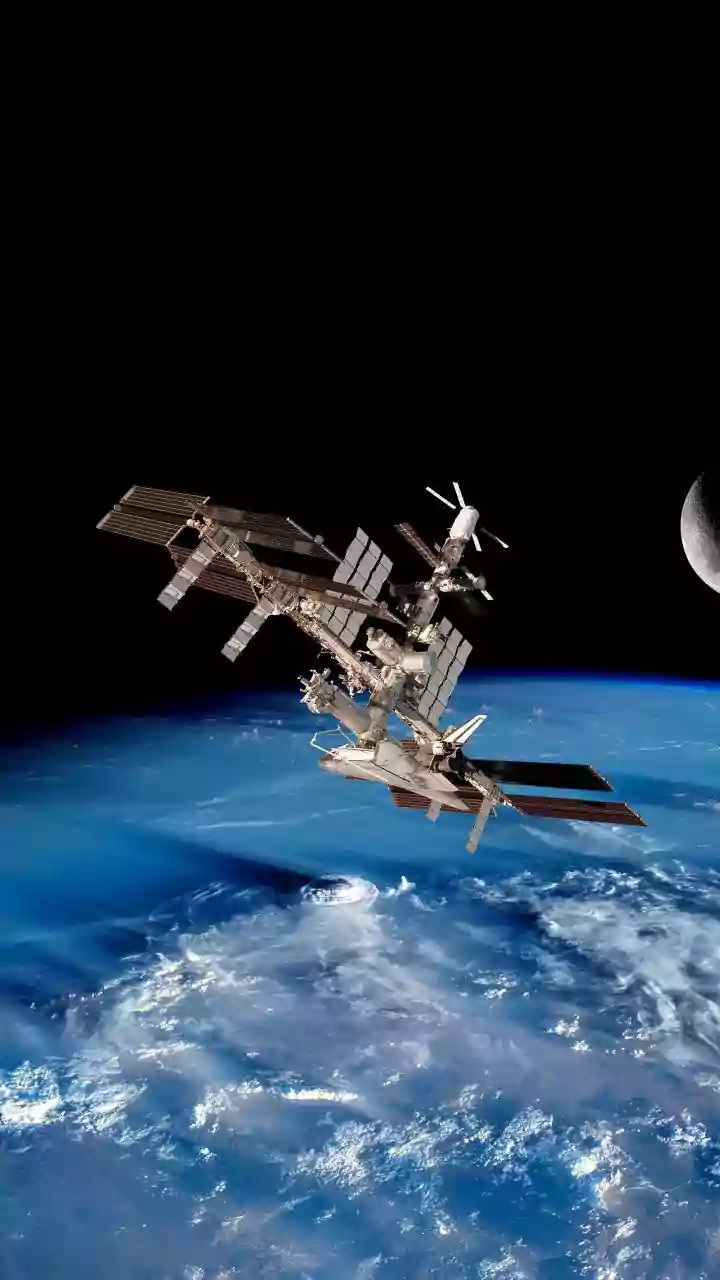
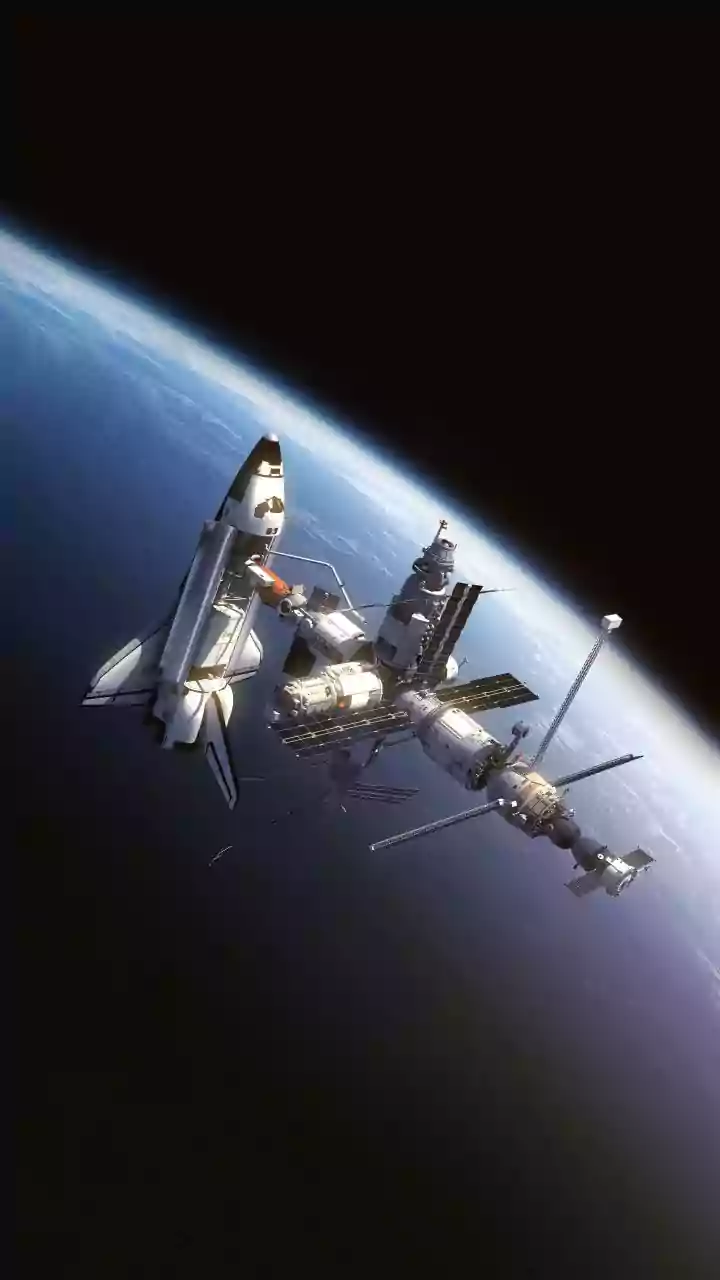
The simple reason for this cosmic spectacle is the incredible speed at which the International Space Station orbits the Earth. The ISS travels at approximately 28,000 kilometres per hour. At this velocity, it completes a full lap around our planet in about
90 to 93 minutes. On Earth, we experience one sunrise and sunset because our day is determined by the planet's 24-hour rotation on its axis. But for the astronauts, their "day" is the time it takes to circle the globe once.
The 90-Minute Day
The math is straightforward. A 24-hour Earth day contains 1,440 minutes. If you divide that by the ISS's 90-minute orbital period, you get 16. This means that in the time it takes for a person on the ground to go through one day-night cycle, the astronauts aboard the station experience 16 full cycles. Each orbit consists of roughly 45 minutes of daylight followed by 45 minutes of darkness as the station passes in and out of Earth's shadow.
A Breathtaking, Blazing-Fast View
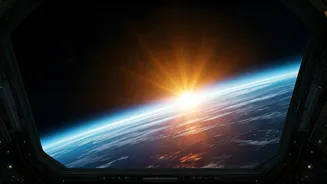
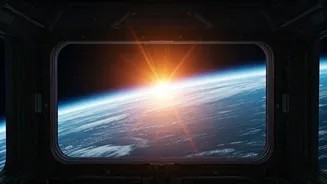
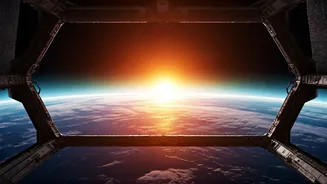
Witnessing a sunrise from the ISS is a profoundly different experience than it is on Earth. On the ground, the sun appears to rise slowly, taking several minutes to clear the horizon. From the station's Cupola observatory, the event is compressed and accelerated. Astronauts describe the sun leaping over the planet's edge, the entire process from first glow to full, brilliant daylight lasting less than a minute. The view is a rapid, dramatic display of colour as sunlight refracts through the thin band of Earth's atmosphere.
The Challenge to the Human Body
While visually stunning, this rapid cycling of light and dark poses a significant challenge to human biology. Our bodies are governed by a 24-hour internal clock, known as the circadian rhythm, which regulates sleep, metabolism, and hormone production. This clock is primarily synced by our exposure to light. The constant barrage of 16 sunrises and sunsets can wreak havoc on this natural rhythm, leading to sleep deprivation, fatigue, and disorientation. Astronauts often report struggling to maintain a normal sleep schedule, with many averaging only about six hours of sleep per night despite eight being scheduled.
Living on Earth Time
To counteract this celestial jet lag, life on the ISS is meticulously managed. The station officially runs on Coordinated Universal Time (UTC), a global standard that helps keep the international crew and various mission control centers around the world synchronized. This provides a stable 24-hour schedule for work, meals, and rest, regardless of what the sun is doing outside the window. The astronauts' sleeping quarters are small, private cabins where they can block out all light, often using sleep masks as an extra precaution.
Faking a Sunrise to Stay Healthy
Beyond scheduling, NASA and its partners use technology to create a more Earth-like environment inside the station. The ISS is equipped with advanced LED lighting systems that can change colour and intensity throughout the day. In the morning, the lights emit a bluer-toned light to promote alertness. As the scheduled day progresses toward evening, the light shifts to a warmer, redder hue to signal to the astronauts' bodies that it's time to wind down and prepare for sleep. This artificial day-night cycle helps to stabilize their circadian rhythms and ensure they remain healthy and productive during long-duration missions.