

The Air Turns 'Poor'
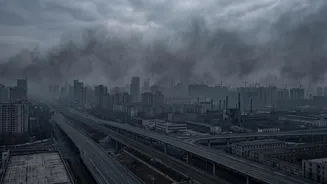
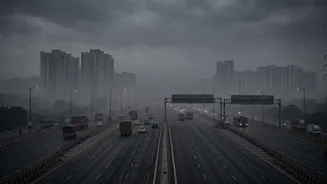
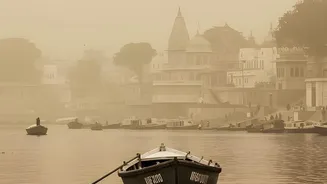
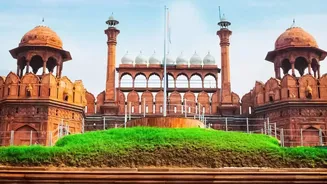
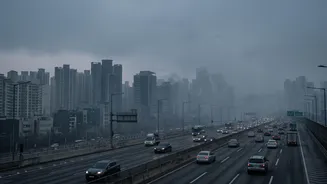
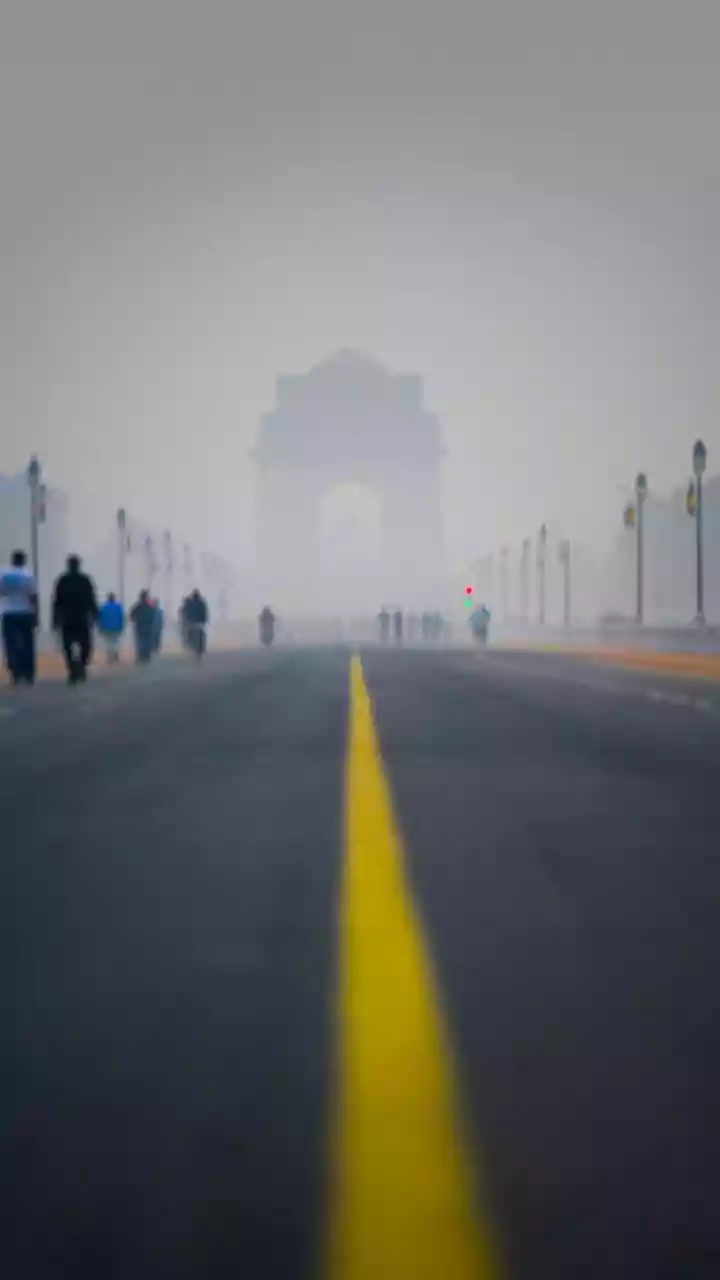
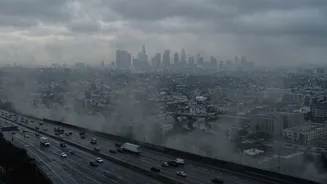
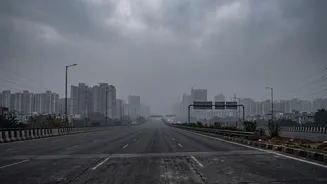
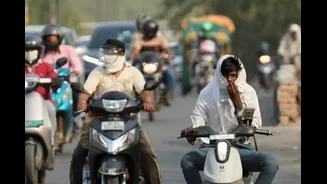
The Capital's air quality took a significant hit this week, with the Air Quality Index (AQI) jumping from 'moderate' to 'poor'. On October 21, Delhi's AQI rose to 244, a sharp increase from 179 the previous day. This marks the first time this season that
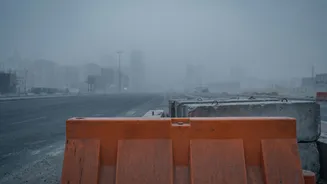
the air has officially been rated as 'poor'. Several monitoring stations have reported even worse conditions, with some localities like Jahangirpuri and Chandni Chowk tipping into the 'very poor' category with AQI readings over 300. This deterioration is attributed to a combination of factors, including emissions from post-Dussehra celebrations, changing weather patterns, and increasing instances of farm fires in neighbouring regions.
What is the GRAP System?
The Graded Response Action Plan, or GRAP, is a set of emergency measures that are automatically triggered in the Delhi-NCR region to combat escalating air pollution. It was first notified by the Environment Ministry in 2017 following a Supreme Court order. Think of it as a four-stage, colour-coded alert system. Stage 1 ('Poor' AQI: 201-300) is the first level of response. The measures become progressively stricter through Stage 2 ('Very Poor' AQI: 301-400), Stage 3 ('Severe' AQI: 401-450), and finally Stage 4 ('Severe+' AQI: above 450). The plan is proactive, designed to prevent the air from getting worse, rather than only reacting after it has become hazardous.
What GRAP Stage 1 Means for You
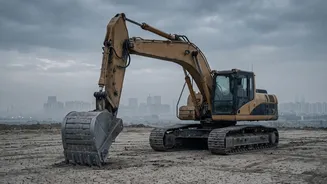
The activation of Stage 1 brings immediate, tangible changes. Authorities are now mandated to enforce a range of pollution-control actions. This includes a ban on using coal and firewood in tandoors at restaurants and eateries. The use of diesel generator sets is also restricted, permitted only for essential or emergency services. At construction and demolition sites, especially those larger than 500 square metres, strict dust control measures are now mandatory. You can also expect to see increased mechanised sweeping and water sprinkling on roads to suppress dust. While there is no 'odd-even' car rationing at this stage, enforcement of Pollution Under Control (PUC) certificate norms will be stricter, and visibly polluting vehicles will face penalties. Furthermore, inter-state buses entering Delhi must be electric, CNG, or BS-VI compliant.
The Usual Suspects: Causes of the Dip
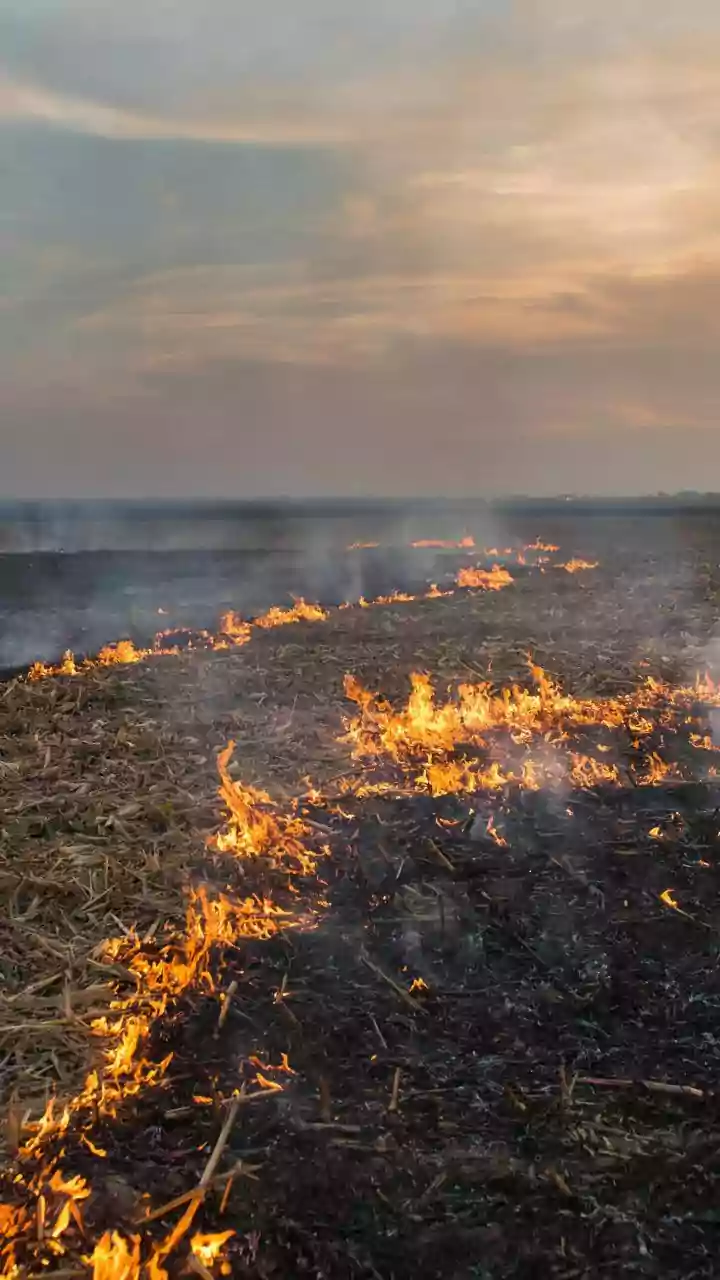
The arrival of winter's cooler, calmer air plays a significant role in trapping pollutants close to the ground, a phenomenon known as temperature inversion. This seasonal weather pattern combines with a host of man-made emission sources. The current dip has been linked to smoke from stubble burning in nearby agricultural states, which is a recurring issue. This is compounded by consistent urban emissions from vehicle exhaust, industrial activity, and dust from construction. The recent spike was also exacerbated by emissions from firecrackers during Dussehra festivities, which contributed to high particulate matter (PM2.5 and PM10) levels overnight.
What Happens if Air Quality Worsens?
The Commission for Air Quality Management (CAQM) is continuously monitoring the situation, and forecasts predict the air quality is likely to remain in the 'poor' category for the next few days. If the AQI continues to rise and enters the 'Very Poor' category (301-400), Stage 2 of GRAP will be invoked. This would bring even tougher restrictions, which could include further limits on diesel generators and increased parking fees to discourage private vehicle use. Stage 3 ('Severe') can lead to a ban on construction and demolition activities and restrictions on the entry of trucks into Delhi. The most stringent measures under Stage 4 ('Severe+') include the possibility of school closures and the implementation of the odd-even scheme for private vehicles. For now, the focus remains on ensuring the effective implementation of Stage 1 to prevent such an escalation.