




The Couch Versus The Cinema
Not long ago, going to the movies was a default weekend activity. Today, it’s a deliberate choice, often reserved for a specific type of film. The primary reason for this shift is the formidable rise of streaming services. With high-quality televisions
in many homes and a near-constant pipeline of new content from platforms like Netflix, Disney+, and others, the convenience of home viewing is hard to beat. A 2026 survey found that 46% of people prefer watching films at home, compared to just 15% who prefer cinemas. This doesn't mean the multiplex is dead; it means its role has fundamentally changed. The cinema is no longer just a place to see a new movie. It must now offer a compelling reason to leave the comfort of the living room, a reason that usually involves scale, sound, and a sense of occasion that streaming cannot replicate.
The Economics of a Night Out
The decision to go to a multiplex is increasingly an economic one. Between rising ticket prices, expensive concessions, travel, and parking, a trip to the movies can be a significant investment. This financial calculation forces audiences to be more selective. They ask themselves: Is this film 'worth' seeing on a big screen? For many, the answer is only yes when the film promises a true visual and auditory feast — something that feels like a genuine upgrade from their home setup. Blockbusters, with their enormous budgets dedicated to visual effects, sprawling action sequences, and immersive sound design, are engineered to provide this exact value proposition. They turn a simple viewing into a memorable event, justifying the cost and effort. In contrast, dramas, comedies, and other mid-budget films often lose this calculation, as viewers decide to wait a few weeks for them to inevitably land on a streaming service.
Technology as the Main Attraction
Theatrical venues have leaned into technology as their key differentiator. Premium Large Formats (PLFs) like IMAX, Dolby Cinema, and 4DX are no longer just niche offerings; they are central to the modern cinematic experience. These formats provide giant screens, crystal-clear projection, and advanced sound systems that are impossible to replicate at home. Studios and directors now actively market these technical aspects. For example, a film shot entirely with IMAX cameras becomes a selling point in itself, promising an unparalleled viewing experience. The box office results confirm this trend, with PLFs accounting for a steadily growing share of revenue. For a recent blockbuster like Christopher Nolan's 'The Odyssey', premium formats made up over half of its domestic box office haul, demonstrating that audiences will pay a premium for a premium experience.
The 'Eventization' of Cinema
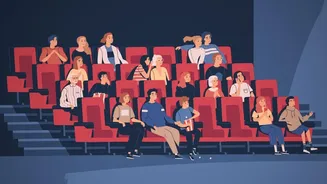
The convergence of these factors has led to what industry analysts call the 'eventization' of movie-going. Going to the cinema is less of a casual pastime and more of a planned cultural event, much like attending a concert or a play. This is especially true for major franchise installments or films from celebrated directors that generate immense online buzz. The fear of missing out (FOMO) and the desire to be part of a shared cultural conversation drive people to see these films on opening weekend, before spoilers flood social media. The communal experience — laughing, gasping, and crying with a room full of strangers — is another powerful draw that home viewing cannot offer. This turns the film into a shared memory and reinforces the cinema's role as a space for collective experience.
The Squeezed Middle
The consequence of this blockbuster-centric model is the erosion of the mid-budget film's place in the multiplex. Dramas, comedies, and original stories that don't have built-in franchise appeal or jaw-dropping spectacle struggle to attract a theatrical audience. Studios, focused on minimizing risk, are increasingly redirecting these films straight to streaming platforms or giving them very limited theatrical runs. While this makes sense from a business perspective, it creates a cinematic landscape polarized between nine-figure mega-movies and low-budget streaming content, with very little in between. This shift not only limits options for moviegoers but also reduces opportunities for emerging filmmakers to tell diverse stories on a grand scale.