



Reading the Signs Your Plant Needs More Space
Plants have several clear ways of telling you they’re feeling cramped. The most obvious sign is roots physically growing out of the drainage holes at the bottom of the pot. This is a sure sign the root system has run out of room and is searching for more
soil to expand into. Another major clue is related to watering. If water seems to run straight through the pot without soaking in, it often means the container is so full of roots that there's very little soil left to retain moisture. Consequently, you might find yourself needing to water far more frequently than you used to. Other signs can be more subtle. Stunted growth, such as new leaves that are smaller than previous ones, can indicate the plant is 'root-bound' and can't access enough nutrients to grow properly. In some cases, the dense root mass can even push the plant upwards, out of its pot, or make it top-heavy and unstable.
When Is the Best Time to Repot?
Timing your repotting can minimize stress on the plant and help it recover faster. The ideal time for most houseplants is during their active growing season, which is typically late winter or early spring. Repotting just before this growth spurt allows the plant to quickly establish itself in the new soil, taking full advantage of the fresh nutrients and increased space. The longer days and brighter light of spring also help the plant recover from the shock of being moved. Some sources also suggest autumn can be a suitable time, as the plant is slowing its growth for winter, which can make the transition less stressful. However, unless it's an emergency—for instance, a case of severe root rot where the plant’s health is at immediate risk—it's best to avoid repotting during the peak of summer or the dead of winter. Most plants need repotting every 12 to 18 months, but slow-growers like cacti may only need it every few years.
Gathering Your Supplies for Success
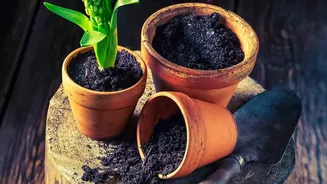
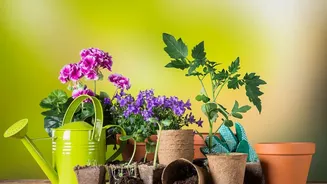
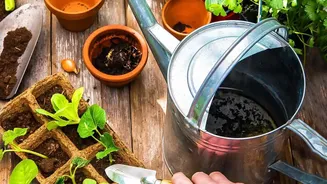
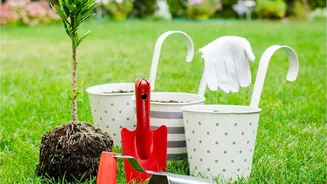
Before you start, get all your materials ready to make the process smooth and swift. First and foremost is the new pot. Choose a container that is only 1 to 2 inches larger in diameter than the current one. It can be tempting to move a small plant into a huge pot, but this often leads to problems like root rot because the excess soil stays wet for too long. Ensure the new pot has adequate drainage holes. You will also need fresh, high-quality potting mix appropriate for your specific plant type. Old soil becomes depleted of nutrients over time, so providing a fresh batch is crucial. It's also helpful to have a trowel or scoop, a pair of clean, sharp scissors or pruning shears to trim any dead or damaged roots, and a surface you don’t mind getting dirty.
A Step-by-Step Guide to Repotting
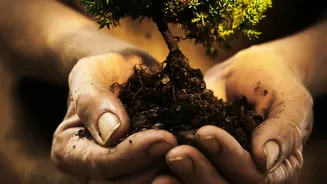
With your supplies ready, you can begin. First, gently remove the plant from its current pot. It often helps to water the plant a day in advance to make removal easier. Tip the pot on its side and tap the rim on a sturdy surface, carefully guiding the plant out with your hand. Avoid pulling it by the stem. Once out, inspect the root ball. If the roots are tightly wound in a circle (a classic sign of a root-bound plant), gently tease them apart with your fingers to encourage them to grow outwards into the new soil. Don’t be afraid to trim any roots that are dead, mushy, or excessively long. Place a layer of fresh potting mix in the bottom of the new pot. Set the plant inside, ensuring the top of the root ball sits about an inch below the rim of the pot. Fill in the space around the root ball with more potting mix, gently firming it down to eliminate air pockets.
Crucial Aftercare for a Healthy Transition
Repotting is a stressful event for a plant, often referred to as 'transplant shock'. Proper aftercare is key to a quick recovery. Immediately after repotting, give the plant a thorough watering until it runs from the drainage holes. This helps settle the new soil around the roots. For the next few weeks, place the plant in a spot with slightly less light than it's used to, as this helps reduce stress while it acclimates. One of the most important things to remember is to hold off on fertilizing. The fresh potting mix contains plenty of nutrients, and adding more fertilizer too soon can burn the sensitive, recovering roots. Wait until you see clear signs of new growth, like new leaves or stems, before you resume your regular fertilizing schedule.