








An Unprecedented Downpour
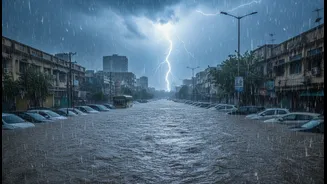
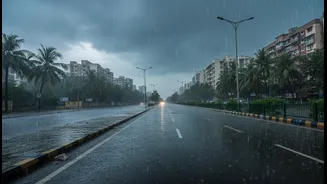
The start of July 2026 has been exceptionally wet, even for Mumbai. In the first week alone, the city received rainfall that surpassed the entire monthly average for July in previous years. The IMD's Santacruz observatory recorded over 1,000 mm, while
Colaba saw nearly 883 mm between June 30 and July 6. In just six days, the city received over 60% of its average seasonal rainfall. This isn't just a typical monsoon; it's a series of extreme rainfall events concentrated in short periods, a pattern climate scientists link to a warming Arabian Sea. Authorities issued multiple 'red' and 'orange' alerts, advising residents to stay indoors and for offices to allow work-from-home where possible.
Navigating Waterlogged Hotspots
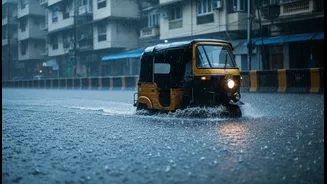
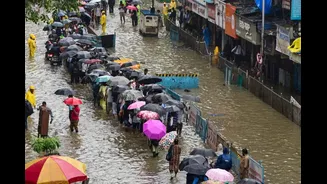
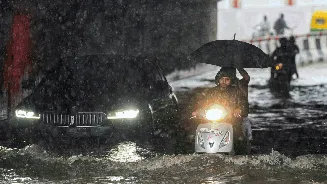
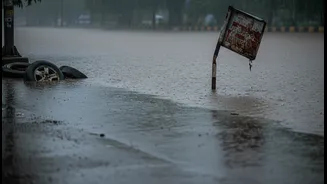
Intense spells have once again led to severe waterlogging in Mumbai's recurring flood zones. Low-lying areas like Hindmata, Sion, Kurla, Andheri subway, and Milan subway remain critical hotspots. Satellite imagery shows significant water accumulation in suburban pockets including Ghatkopar, Chembur, Bandra, Vikhroli, and Malad. The Brihanmumbai Municipal Corporation (BMC) has repeatedly advised citizens to avoid these areas. Wading through stagnant water is not only difficult but also poses health risks. The BMC has issued advisories for leptospirosis, a bacterial infection spread through contaminated floodwater, urging anyone who has walked through floodwaters to seek medical advice within 72 hours.
Tackling the Daily Commute
Commuting has become a test of patience and strategy. Suburban train services, the city's lifeline, have faced significant disruptions. Waterlogging on tracks, especially along the Western Railway corridor towards Virar, Vasai, and Nalasopara, has led to delays, cancellations, and overcrowding, leaving many passengers stranded overnight. The Central Railway has also reported services running behind schedule. BEST buses are diverting from flooded routes, and app-based cabs become harder to find and more expensive. The official advice is to check real-time updates on railway apps and traffic portals, allow for significant extra travel time, and avoid non-essential journeys during heavy downpours.
Monsoon-Proofing Your Rented Home
For those in rented accommodations, tackling monsoon-related issues requires practical, non-permanent solutions. The primary challenge is dampness and leaks. Start by checking for and sealing any gaps around windows and doors with silicone sealants or weatherstrips. To combat humidity, keep furniture slightly away from walls and use moisture absorbers like silica gel or naphthalene balls in wardrobes and cabinets. A foldable clothes rack for drying laundry indoors under a fan is a monsoon essential. Ensure your emergency kit is ready for potential power outages, with charged power banks, torches, and candles. Finally, if you notice any significant leaks or seepage, document it and inform your landlord immediately.
Key Contacts and Health Precautions
During emergencies, knowing who to call is crucial. The BMC's primary disaster management helpline is 1916. For other emergencies, you can dial 112. It is also wise to save the contact numbers for your local ward office. On the health front, the BMC has strongly advised against walking in stagnant water to prevent diseases like leptospirosis. If exposure is unavoidable, thoroughly wash your feet and legs with soap and water afterward. Be mindful of the symptoms of water-borne diseases—fever, body ache, and headaches—and consult a doctor promptly if you feel unwell.