



The Unseen Stress of Being Watched
We may think that as long as we aren't loud or threatening, our presence has no effect on wildlife. However, science tells a different story. Studies show that even the quiet presence of humans can be a significant stressor for many species. When animals
perceive a potential threat—which humans often represent—their bodies release stress hormones like cortisol. This physiological response, designed for short-term survival, can become detrimental when it's chronic. Constant exposure to tourists can lead to long-term stress, which may weaken immune systems, reduce reproductive success, and shorten lifespans. An animal that stops feeding, appears nervous, or freezes when you approach is giving clear signs that you are too close.
Altering Behaviour, One Sighting at a Time
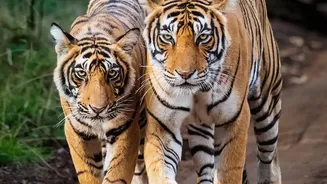
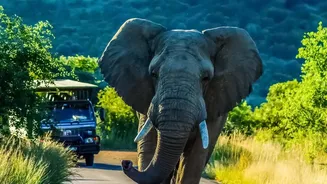
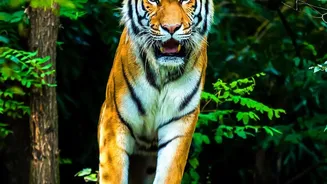
Beyond the internal chemistry of stress, human observation directly changes animal behaviour. When a predator like a tiger is surrounded by safari vehicles, its hunting strategy is compromised. The element of surprise is lost, and it may abandon a hunt it would have otherwise successfully completed. Similarly, herbivores and prey animals may be forced to eat less or remain constantly vigilant, unable to rest or care for their young properly. In some cases, animals adjust their entire daily schedule, shifting their active hours to avoid human traffic. While this is a clever adaptation, it's a departure from their natural rhythms, forced upon them by our desire to see them. Ethical encounters are designed to let animals be animals—wild, free, and behaving naturally.
The Paradox of the Human Shield
An interesting and complex consequence of tourism is what some biologists call the 'human shield' effect. Prey animals sometimes learn that predators tend to avoid areas with high human traffic. This can lead them to congregate near roads and viewing areas, creating an artificial sense of safety. While it might lead to more sightings for tourists, this habituation can be dangerous. The animals may become less wary and more vulnerable to predators once the tourists leave. Furthermore, feeding wildlife, whether intentionally or by leaving food scraps, is a major disruption. It can lead to animals becoming aggressive and dependent on humans, a situation that often ends badly for the animal.
The Art and Ethics of Quiet Observation
The good news is that there is a growing awareness of these issues, leading to the rise of ethical wildlife tourism. This approach prioritizes the animal's welfare above all else. It involves strict guidelines: maintaining a significant distance, using binoculars and zoom lenses instead of feet to get closer, speaking in low voices, and never using calls to attract animals. Reputable tour operators limit the number of vehicles at a sighting and educate their guests on reading animal body language to know when they are causing stress. This hands-off approach ensures that the primary goal is to observe and protect, not to interfere. By choosing these operators, tourists directly contribute to conservation efforts.
A More Profound Encounter
Ultimately, quiet sightings offer a more authentic and rewarding experience. Instead of a brief, chaotic glimpse of a stressed animal, you get to witness a slice of its real life. Watching a mother teach her young how to hunt, or a herd peacefully grazing, provides a connection that a crowded, noisy encounter simply cannot match. It requires patience, respect, and a shift in perspective. The goal is no longer just to get a photo, but to be a respectful guest in an animal's home. It’s about appreciating the silence and what it contains: the rustle of leaves, the distant call of a bird, and the natural, undisturbed behaviour of the creature you came to see.