





Understanding the Latest Guidance
The latest directives for school meals, under the Pradhan Mantri Poshan Shakti Nirman (PM POSHAN) scheme, place a renewed emphasis on not just providing food, but delivering comprehensive nutrition. Updated guidelines focus on meeting specific calorie
and protein targets: approximately 450 calories and 12 grams of protein for primary school children, and 700 calories with 20 grams of protein for upper primary students. A key part of the guidance is the encouragement to incorporate locally sourced foods, including millets and diverse vegetables, to enhance dietary variety and support local agriculture. Some states are even innovating with breakfast schemes and varied menus to further boost nutritional intake. The goal is to move beyond just fighting hunger to actively building a foundation for healthy development.
The Core Challenge: Nutrient Loss
A major hurdle in implementing these guidelines is the loss of nutrients that occurs between preparation and consumption. Many essential vitamins, particularly water-soluble ones like Vitamin C and B-complex vitamins, are sensitive to heat, light, and air. In large-scale kitchen operations, common practices such as prolonged cooking times, high temperatures, and submerging vegetables in large amounts of water can cause these vital nutrients to leach out or degrade. Furthermore, delays between cooking and serving, as well as improper storage and transportation, can further diminish the food's nutritional quality, meaning the meal a child eats may be less beneficial than what was originally planned.
Smart Cooking for Maximum Nutrition
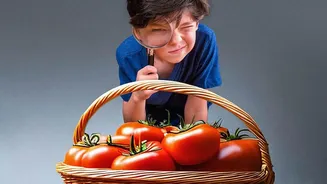
To combat nutrient loss, kitchens can adopt several practical strategies. One of the most effective methods is steaming vegetables instead of boiling them, as it minimizes contact with water and preserves more vitamins. If boiling is necessary, using minimal water and reusing that water in soups or gravies can help recapture leached nutrients. Reducing cooking times and using lower heat can also protect heat-sensitive vitamins. Simple preparation techniques like cutting vegetables into larger chunks and peeling them as thinly as possible (or not at all) can also make a significant difference, as many nutrients are concentrated just below the skin.
Improving Storage and Serving
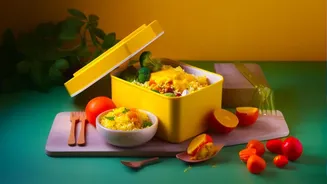
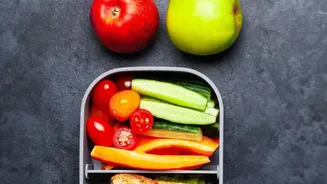
Once the food is cooked, how it's stored and served is crucial. Meals should be served as quickly as possible after preparation to minimize nutrient degradation. Ensuring an adequate amount of time for students to eat is also important; studies show that when children have at least 20 minutes of 'seat time', consumption increases and waste is reduced. The presentation of food also matters. Making meals look appealing and serving fruits pre-sliced can encourage children to eat more of the healthy options provided. Using proper, food-safe containers for transport and storage helps maintain both the safety and nutritional integrity of the meal.
The Role of Variety and Fortification
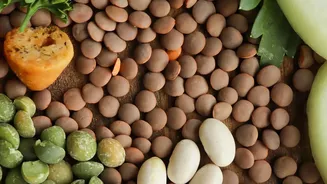
The new guidelines encourage menu diversity, which is a powerful tool for improving nutrition. By rotating different types of grains, pulses, and seasonal vegetables, schools can provide a wider spectrum of vitamins and minerals over time. The inclusion of millets, for example, adds fibre and essential micronutrients. Some guidelines also allow for a flexible component in the budget to establish school nutrition gardens, which can be a source of fresh produce and a valuable educational tool for students. In areas where certain deficiencies are prevalent, incorporating fortified staples (like fortified rice or oil) can be an effective strategy to ensure children receive critical micronutrients.