

Adding protein powder to recipes is a great way to boost nutrition, but it often comes with a chalky, bitter, or artificial taste that can ruin a perfectly good dish. Understanding why this happens is the first step to finally fixing it.
Why Taste Is Such a Challenge
The taste problem
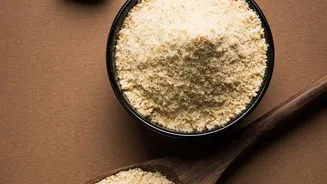
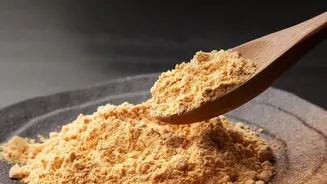
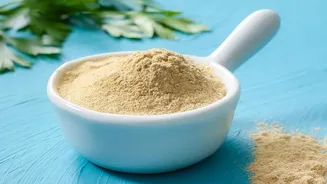
starts with how protein powders are made. Most are protein concentrates or isolates, meaning they've been processed to remove most of the fats and carbohydrates. While this boosts the protein content, it also strips away the elements that naturally make food taste good, leaving behind a chalky or dry character. The source of the protein is also a major factor. Whey powder, derived from milk, often has a faint milky or even cheesy taste, while plant-based powders like pea protein can be earthy and gritty. Furthermore, many flavored powders rely on artificial sweeteners like sucralose or natural ones like stevia. These can activate bitter taste receptors, leaving a lingering metallic or unpleasant aftertaste.
Choose Your Powder Wisely
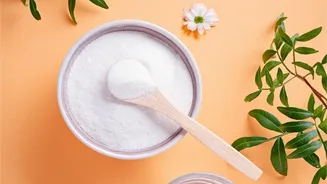
The best way to avoid a bad taste is to start with the right powder. Unflavored versions offer the most versatility, giving you a neutral base to build upon. They allow you to control the sweetness and flavor profile of your dish, whether it’s a smoothie or a savory soup. When choosing a powder for baking, consider its properties. Whey protein isolate and concentrate are popular choices as they can produce a softer, fluffier texture in things like cakes and muffins. A whey/casein blend is often considered a good substitute for flour because it provides structure. Plant-based proteins from pea, rice, or hemp have unique flavors and can be denser, so they might work better in recipes where their earthy notes are complementary.
Mastering the Art of Disguise
Even with a neutral powder, you may still need to mask some underlying flavors. Strong, complementary ingredients are your best friends here. For sweet recipes, think of powerful flavors that can dominate. Unsweetened cocoa powder is excellent for covering up bitterness in an overly sweet powder. Spices like cinnamon and nutmeg, or a dash of coffee or natural vanilla extract can also work wonders. Healthy fats are also fantastic flavor maskers and texture enhancers. A spoonful of peanut or almond butter adds creaminess and a rich, nutty flavor that pairs well with chocolate or vanilla powders. For a savory dish, don't be afraid to mix unflavored protein into soups or sauces, letting garlic, herbs, and other spices take center stage.
Texture Is Just as Important as Taste
An unpleasant texture can be just as off-putting as a bad taste. Protein powder absorbs a lot of moisture, which can make baked goods dry, dense, or rubbery. The rule of thumb is to never substitute flour with protein powder on a one-to-one basis; a good starting point is to replace no more than one third of the flour. To counteract the dryness, you must add a moisturizing ingredient. Mashed bananas, Greek yogurt, applesauce, pumpkin puree, or cottage cheese are all excellent options that add moisture and can improve the flavor profile. Using a blender for shakes and batters helps create a smoother consistency, and adding frozen fruit or a few ice cubes can combat grittiness and create a thicker, creamier mouthfeel.
The Best and Worst Recipes for Protein Powder
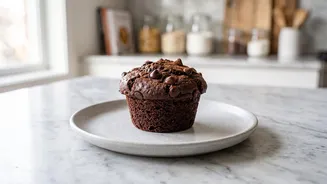
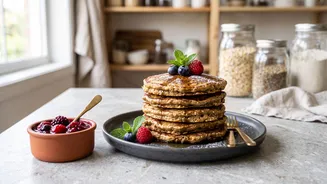
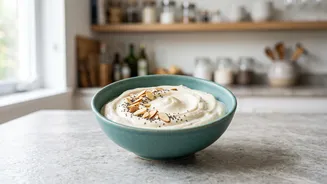
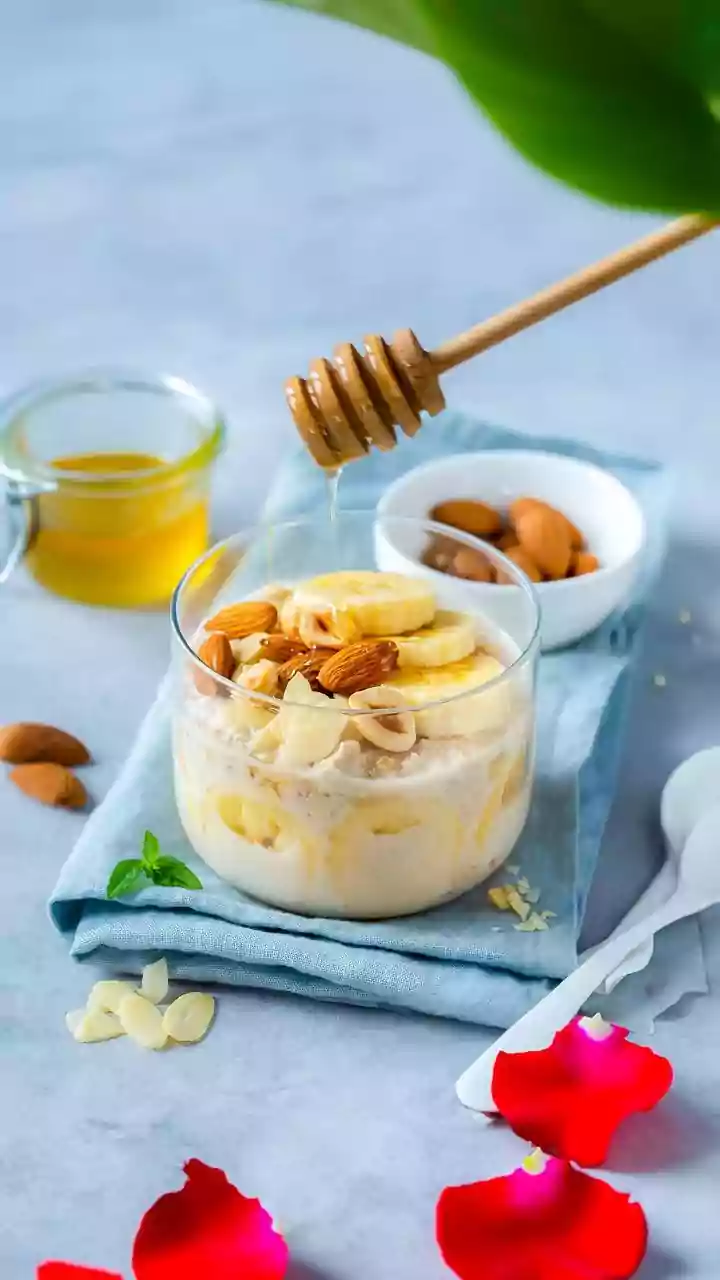
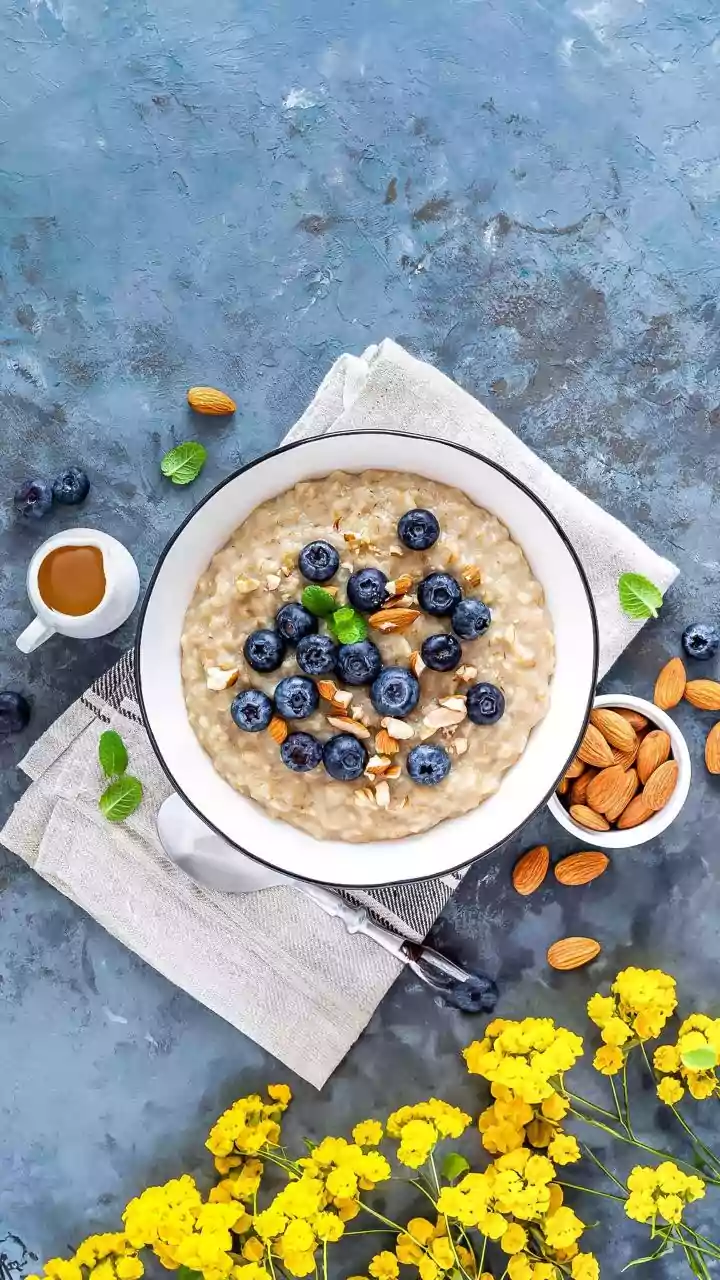
Not all recipes are created equal when it comes to hiding protein powder. Forgiving recipes are your best bet. Smoothies, shakes, and protein 'fluff' made with a blender are ideal because you can easily add ingredients like fruit, nut butter, and yogurt to perfect the taste and texture. Oatmeal, overnight oats, and energy balls are also great vehicles, as the other ingredients help mask the powder. Pancakes, muffins, and cookies can also work well, provided you follow the rules of adding moisture and not using too much powder. Delicate recipes, like light angel food cake or flaky pastries, are much more challenging. The heavy, drying nature of protein powder can easily ruin the precise texture required for these kinds of desserts. It's best to start with more robust recipes until you get a feel for how your specific protein powder behaves.