


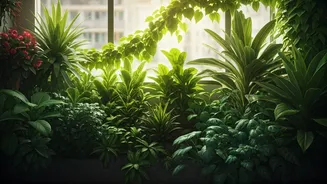



The New Urban Jungle
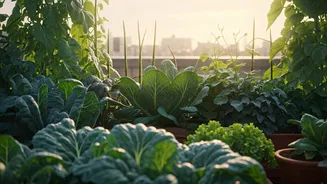
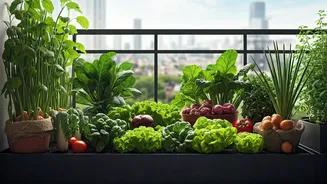
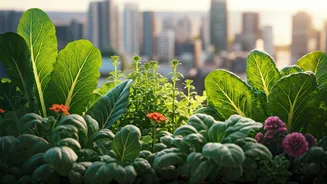
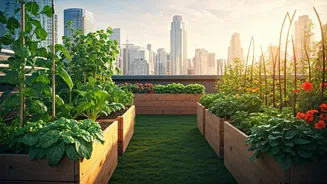
Look around the urban landscapes of Mumbai, Bengaluru, and Delhi, and you’ll notice something green sprouting amidst the concrete. A quiet revolution is taking root on apartment balconies, kitchen windowsills, and sunny parapets. City dwellers, increasingly
conscious of their well-being and the origins of their food, are embracing homegrown herbs. What was once a niche hobby is now a full-blown trend, driven by a desire for freshness, flavour, and a small patch of nature to call their own. This isn't about large-scale farming; it's about the simple, satisfying act of cultivating a handful of pots that can transform your cooking and your state of mind.
More Than Just Garnish
The benefits of this green trend extend far beyond having a ready supply of dhania. For many, it’s a powerful wellness practice. The act of nurturing a plant from seed to harvest provides a tangible connection to nature, offering a daily dose of mindfulness that can soothe the stresses of city life. Financially, it makes sense too. A one-time investment in a few pots and seeds can save you countless trips to the market for herbs that often wilt before you can use them. Most importantly, it’s about flavour. The difference between a store-bought, plastic-wrapped herb and one you’ve just snipped from your own plant is astonishing. The aromas are more pungent, the flavours more intense, elevating a simple home-cooked meal into something special. You’re not just adding a garnish; you’re adding life to your plate.
Your Balcony Starter Pack
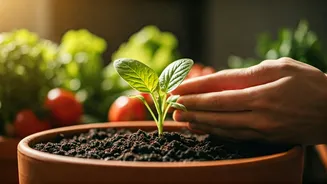
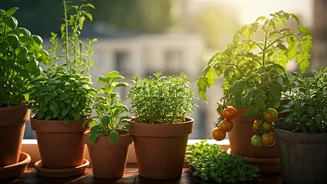
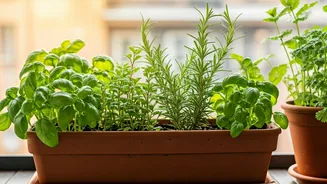
Getting started is far less intimidating than it seems. You don’t need a sprawling garden or a degree in botany. All you need is a little space that gets about four to six hours of sunlight. Your starter kit is simple: a few pots with drainage holes, good quality potting soil mixed with compost, and your choice of seeds or saplings. For beginners, saplings from a local nursery are a great way to get a head start. The key is to start small. Choose one or two herbs you love and use frequently. The joy of seeing that first sprig thrive will be all the motivation you need to expand your collection.
Five Easy Herbs to Grow Now
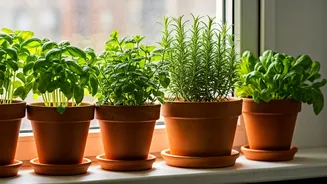
Not sure where to begin? Here are five versatile and forgiving herbs that are perfect for the Indian climate and kitchen. 1. Mint (Pudina): Incredibly easy to grow and loves sunlight. Plant it in its own pot, as it tends to spread aggressively. Perfect for chutneys, raita, and refreshing summer drinks. 2. Coriander (Dhania): A staple in every Indian kitchen. It grows quickly from seeds but can be tricky as it bolts (flowers) in intense heat. Grow it in a partially shaded spot for a longer harvest. 3. Holy Basil (Tulsi): Revered for its medicinal properties and a must-have in many Indian homes. It’s a hardy plant that requires regular sunlight and moderate watering. The leaves are perfect for herbal teas and kadha. 4. Curry Leaves (Kadi Patta): This perennial plant is a fantastic investment. Buy a small plant from a nursery. It loves full sun and will provide you with aromatic leaves for your tadkas for years to come. 5. Lemongrass: Another easy-to-grow, low-maintenance herb. Its citrusy stalks are essential for flavouring teas and Asian-inspired dishes. It grows well in a large pot and enjoys plenty of sun.
A Sustainable Choice
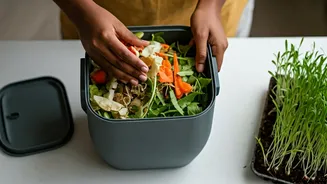
Beyond the personal benefits, this trend taps into a larger consciousness about sustainability. Growing your own herbs, even on a small scale, reduces your carbon footprint by cutting down on food miles and plastic packaging. It ensures your food is free from pesticides and chemicals, giving you complete control over what you consume. Each pot is a small statement—a commitment to a fresher, healthier, and more connected way of living. It’s a reminder that even in the heart of the city, we can cultivate something real and wholesome.