




The Great Breakfast Reinvention
For generations, the Indian breakfast table has been dominated by regional classics like poha, parathas, and idlis. But for today's fast-paced urban youth, time is a luxury. Young professionals and students juggling deadlines and health goals needed something
quick, nutritious, and comforting. Enter oatmeal, a global health staple that was initially met with scepticism. On its own, it lacked the familiar, bold flavours that Indian palates crave. The solution wasn't to adopt a Western palate, but to adapt the grain itself, giving rise to the 'masaledar' oatmeal trend.
From Bland to Bold: What is Masaledar Oatmeal?
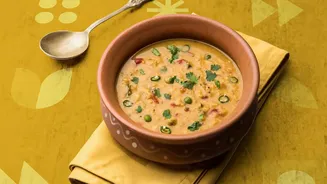
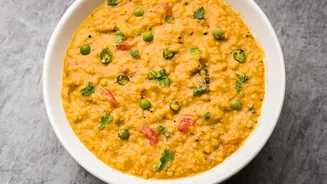
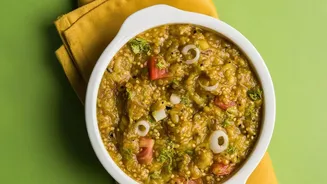
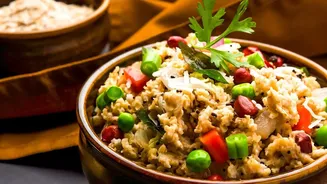
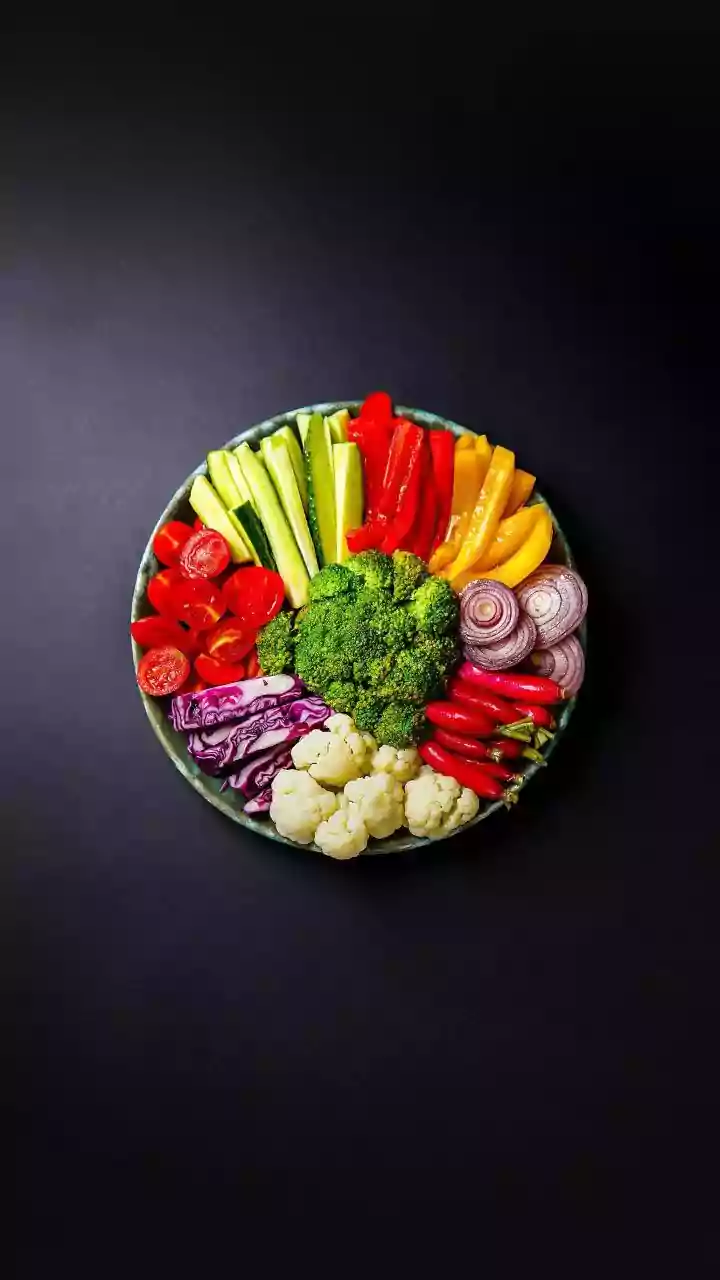
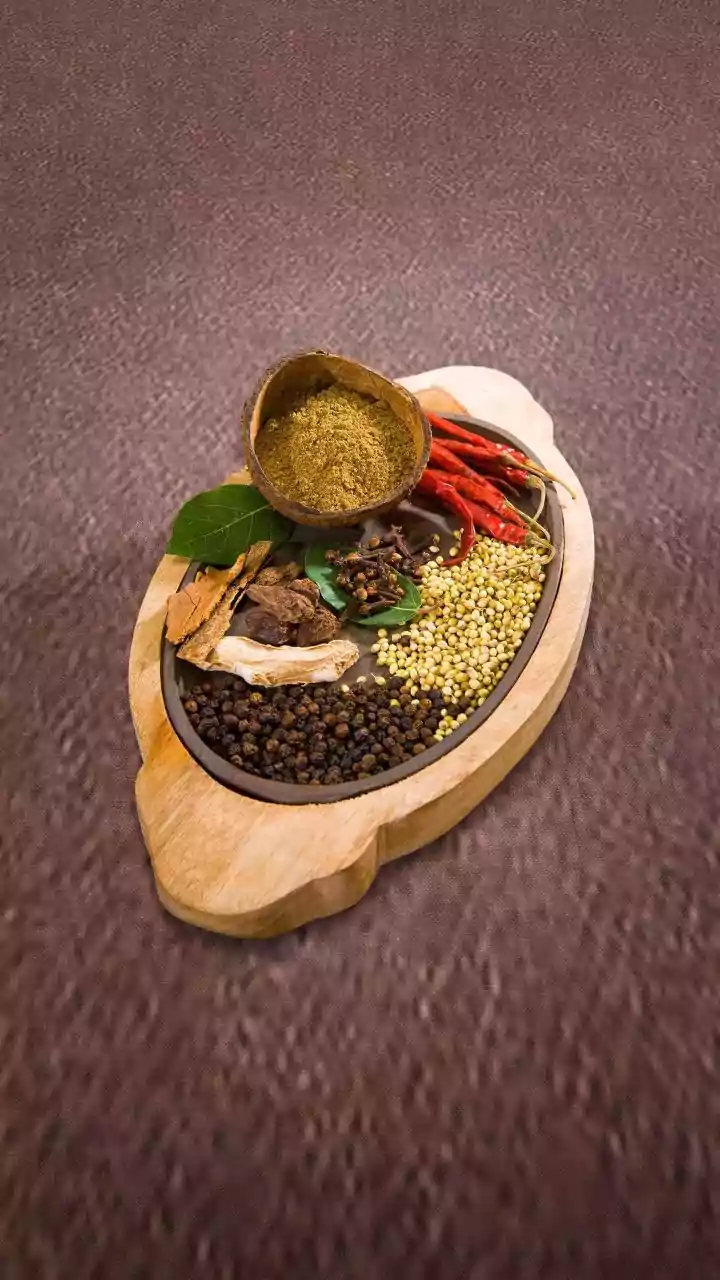
At its heart, masaledar oatmeal is a savory porridge that feels more like a khichdi or upma than a traditional breakfast cereal. The transformation begins with a classic tadka—mustard seeds, cumin seeds, and curry leaves sputtering in hot oil or ghee. Onions, ginger, and garlic follow, creating a fragrant base before a host of vegetables like peas, carrots, tomatoes, and beans are added. The magic lies in the spices: turmeric for colour and its anti-inflammatory properties, red chilli for a touch of heat, and a pinch of garam masala for warmth. The result is a dish that's not only hearty and flavourful but also visually appealing, ticking all the boxes for a generation that eats with its eyes first.
The Perfect Mix of Health and Convenience
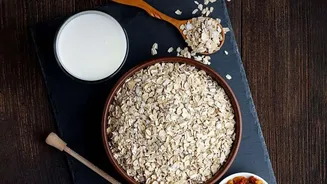
The success of masaledar oatmeal lies in its perfect fusion of health benefits and sheer convenience. Oats are a nutritional powerhouse, rich in beta-glucan, a soluble fibre known to help lower cholesterol, regulate blood sugar, and promote a feeling of fullness. This sustained energy release is ideal for avoiding mid-morning slumps. When combined with vegetables, the dish becomes a well-rounded meal packed with vitamins, minerals, and additional fibre. For a generation focused on wellness, it offers a low-calorie, high-fibre option that supports weight management without feeling like a compromise. Moreover, it's incredibly quick to prepare, with most recipes taking just 10 to 15 minutes, a crucial factor for busy mornings.
A Cultural Statement on a Plate
The embrace of masaledar oatmeal is more than a dietary shift; it's a cultural statement. It signifies a rejection of the notion that 'healthy' food must be bland or foreign. Urban Indian youth are redefining wellness on their own terms, skillfully integrating global health trends with local culinary wisdom. This dish is an act of delicious rebellion, proving that one doesn't have to choose between nutrition and the taste of home. It represents a confident, modern Indian identity that is open to global ingredients but remains deeply rooted in its own flavour profiles.
The Market Responds to the Craze
It didn't take long for the food industry to notice this burgeoning trend. Brands like Saffola pioneered packaged masala oats, offering an even quicker solution for those on the go. Their strategy of Indianising the flavour profile proved so successful that they overtook long-standing international brands in market share, a testament to the power of catering to local tastes. Today, supermarket aisles are filled with various savoury oat flavours, from peppy tomato to curry and pepper. Cafes and health food eateries have also added savory oat bowls to their menus, solidifying the dish's place as a mainstream phenomenon, not just a home-cooked meal.