





A perfect cup of masala chai is a delicate dance between fragrant, warming spices and rich, creamy milk. Getting that balance just right is the secret to transforming a simple tea into a soulful experience. Here’s how to master the art.
Start with Fresh, Whole Spices
The soul of your
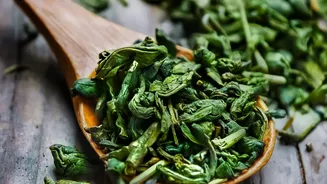
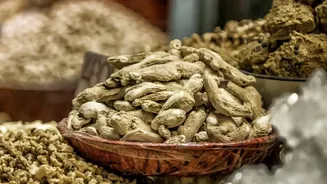
chai lies in its masala, or spice blend. For the most vibrant and aromatic flavour, always start with whole spices that you lightly crush just before brewing. Pre-ground spices lose their essential oils and potency over time, resulting in a dull-tasting tea. The core five spices in most chai blends are green cardamom, cinnamon, cloves, fresh ginger, and black peppercorns. Cardamom provides the signature floral warmth, ginger gives it a pungent kick, cinnamon adds sweetness, cloves bring a sharp intensity, and black pepper provides a hint of heat. Don’t be afraid to experiment with other spices like star anise or fennel seeds for more complexity.
Choose the Right Milk
Milk does more than just add creaminess; it carries the flavour of the spices and mellows their intensity. For the most traditional and authentic-tasting chai, whole cow's milk is the top choice. Its fat content is crucial for rounding out the sharp notes of spices like cloves and pepper, creating a perfectly balanced and rich cup. If you use low-fat or skim milk, your chai may taste thin and watery, as there isn't enough fat to carry the spice flavours effectively. For dairy-free alternatives, oat milk is a popular choice for its creamy texture that complements the spices without overpowering them. Soy milk also works well due to its neutral flavour and creaminess.
Master the Brewing Method
The order of operations is key to a well-balanced brew. Rushing the process or adding ingredients at the wrong time can lead to a bitter or weak chai. A reliable method is to first bring water and your crushed spices to a simmer. Let them gently boil for 3-5 minutes to unlock their essential oils and infuse the water with their aroma. Next, add your black tea leaves—a strong variety like Assam is recommended—and simmer for another couple of minutes. Only then should you add the milk and sweetener. Bring the mixture back to a gentle simmer, but avoid a rolling boil for too long, as this can scald the milk and alter the taste.
Find Your Perfect Water-to-Milk Ratio
The ratio of water to milk is a matter of personal preference but has a significant impact on the final cup. A common starting point is a 1:1 ratio of water to milk, which creates a rich, creamy, and traditional chai. However, some find this can make the chai too heavy and mute the spices. If you prefer a brighter, more spice-forward cup, try a 2:1 or even a 3:1 ratio of water to milk. This allows the spices and the character of the tea to shine through more clearly. Experiment by making small adjustments. If your chai tastes too milky, try using a little less milk next time. This single change can make a huge difference.
Sweeten Thoughtfully
Sweetener is not just for taste; it plays a role in balancing the overall flavour profile of your masala chai. Too much sugar can mask the delicate aromas of the spices, while too little can make a strong brew taste harsh. It's best to add your sweetener toward the end of the brewing process, after the milk has been added. Traditional jaggery or brown sugar can add a lovely caramel depth, while plain white sugar provides sweetness without altering the flavour. Try tasting your chai before you sweeten it, and then add just enough to round out the spices and create a harmonious finish.