





Why Calcium is a Cornerstone of Health
Calcium is the most abundant mineral in the human body, and for good reason. About 99% of it is stored in our bones and teeth, providing the very structure that supports us. But its role doesn’t stop there. Calcium is crucial for muscle function, nerve
signal transmission, and maintaining a regular heartbeat. When we don't consume enough calcium from our diet, our body cleverly draws it from our bones to keep blood levels stable, which can weaken them over time. According to the Indian Council of Medical Research (ICMR), an adult requires about 1000 mg of calcium daily, a significant increase from previous recommendations, highlighting a growing awareness of its importance.
The Dairy Duo: Curd and Paneer
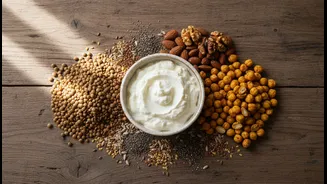
For many Indian households, curd and paneer are dietary staples. While milk is an excellent source of calcium, these derivatives offer compelling benefits. Paneer, or Indian cottage cheese, is a calcium powerhouse. A 100-gram serving can contain anywhere from 200 mg to over 400 mg of calcium, depending on how it's made. It's also a fantastic source of protein, which is essential for muscle repair and overall health. Curd (yoghurt) provides a healthy dose of calcium, with about 85 mg per 100 grams, and comes with the added benefit of probiotics, which support gut health. For those who find milk difficult to digest, curd is often a much friendlier alternative.
Ragi: The Mighty Millet
Ragi, or finger millet, is a true unsung hero of the Indian pantry when it comes to calcium. This humble grain is one of the richest plant-based sources available. A 100-gram serving of ragi flour contains an impressive 344 mg of calcium, which is nearly three times more than what's found in the same amount of milk. This makes it an invaluable food for everyone, especially for growing children, postmenopausal women, and those who follow a vegan diet or have limited access to dairy. Its versatility is another major plus; ragi can be easily incorporated into daily meals as rotis, dosas, porridge, or even baked goods.
Sesame Seeds: Small but Potent
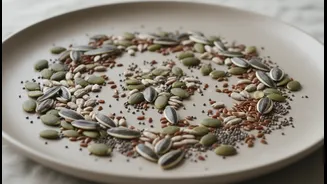
Don't underestimate the tiny sesame seed (til). These seeds are packed with nutrients, including a significant amount of calcium. Unhulled sesame seeds are particularly rich, offering a staggering 975 mg of calcium per 100 grams. Even in smaller, more practical quantities, they provide a substantial boost. Just a few tablespoons can add a significant amount of calcium to your diet. Sesame seeds are a fixture in Indian cuisine, from being pressed into oil to being used in ladoos, chikkis, and as a garnish on various dishes. Using them as a regular part of your cooking is a simple and effective way to increase your calcium intake.
Maximising Your Calcium Absorption
Simply eating calcium-rich foods is only half the battle; ensuring your body can absorb and use it is just as important. Vitamin D plays a vital role in this process, so make sure you're getting adequate sunlight exposure or consuming vitamin D-rich foods like egg yolks and fatty fish. Conversely, certain compounds can hinder calcium absorption. Oxalic acid, found in foods like spinach, and phytates in wheat bran can bind to calcium, making it less available to your body. It's also wise to spread your calcium intake throughout the day rather than consuming it all in one meal to improve absorption rates.