






Identifying the 'Suspects' in Your Fridge
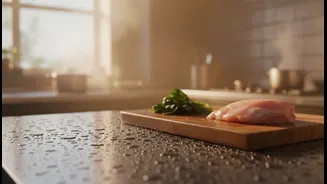
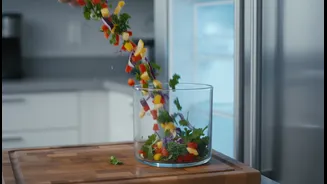
When we say a food item is 'suspect', it isn’t just about leftovers that have seen better days. The biggest culprits for contamination are often fresh foods. This includes raw meat, poultry, and seafood, which can carry harmful bacteria like Salmonella
and E. coli. But the list doesn't stop there. Unwashed vegetables can bring soil and germs into your clean fridge space. Even certain fruits that release ethylene gas can be considered 'suspects' because they cause other produce to spoil faster. The first step to a safer fridge is recognising that rawness, not just spoilage, is a primary risk factor.
The Invisible Threat of Cross-Contamination
Cross-contamination is the process by which bacteria or other microorganisms are unintentionally transferred from one food to another. The most dangerous pathway is from raw to ready-to-eat foods. Imagine storing raw chicken on a shelf above a bowl of leftover dal. A single drop of juice from the chicken, which you can't see, smell, or taste, can transfer millions of bacteria to the dal. Since the dal is already cooked and won't be heated as intensely again, those bacteria can multiply and cause foodborne illness. This is why food safety isn't just about cooking food properly; it's about separating it correctly long before it hits the pan.
A Strategic Guide to Fridge Shelving
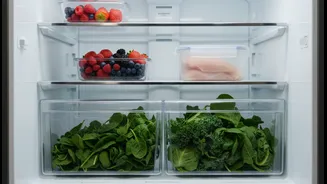
Organising your fridge isn't about aesthetics; it's about physics and microbiology. Cold air sinks, and different foods have different safety needs. Ready-to-eat foods like leftovers, dairy, and cooked items should go on the top and middle shelves. Below them, store raw seafood, whole cuts of beef and pork. The very bottom shelf must be reserved for the items with the highest risk and cooking temperature: raw meat and poultry. By placing them at the bottom in sealed containers, you ensure that any potential drips can't contaminate anything else. The refrigerator door is the warmest part, so it's best for condiments, not for milk or eggs.
The Importance of Airtight Containers
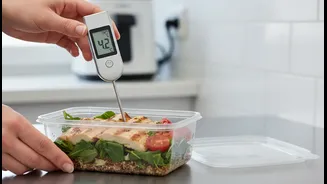
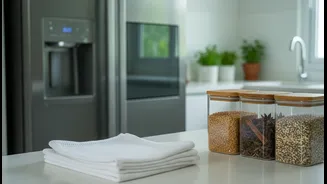
Simply covering a bowl with a plate is not enough. To truly prevent contamination and maintain freshness, use airtight containers. These serve multiple purposes. They prevent drips and leaks from raw items, stop odours from mixing, and protect cooked food from airborne pathogens. For leftovers, using clear, labelled containers helps you quickly identify what you have and when it was made. According to FSSAI (Food Safety and Standards Authority of India), cooked food should be stored in the fridge within two hours and consumed within 48 hours for maximum safety, as bacteria can produce heat-stable toxins the longer food is stored.
Managing Leftovers and Expiration
The general rule for most cooked leftovers is to consume them within three to four days. After this period, the risk of food poisoning increases, even if the food doesn't look or smell bad. Many harmful bacteria don't alter the appearance or scent of food. To avoid waste and confusion, get into the habit of labelling containers with the contents and the date they were stored. Follow the 'first in, first out' principle: place newer items at the back and older ones at the front so they get used first. And remember the golden rule of food safety: when in doubt, throw it out.
Maintaining a Safe Temperature
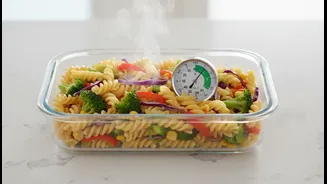
For your refrigerator to be effective, it must be kept at the right temperature. The FSSAI recommends keeping the fridge below 5°C (41°F), while the US FDA suggests 40°F (about 4.4°C) or lower. Bacteria multiply rapidly in the 'danger zone' between 4°C and 60°C (40°F and 140°F). Don't overpack your fridge, as cold air needs to circulate freely to maintain a consistent temperature. It's also a good idea to defrost and clean your fridge regularly, as frost buildup can interfere with cooling efficiency.