


The Group Sync: Connection in Dance
A group dance class thrives on palpable, interactive energy. The connection is often external and built on synchronization, rhythm, and shared goals. Whether it's salsa, hip-hop, or ballet, participants learn to move as one, reading non-verbal cues and reacting
to partners and the group as a whole. This creates a vibrant social atmosphere where making new friends and laughing through mistakes is part of the process. The bond forms through collaboration, shared achievement, and the mood-boosting power of moving together to music. Studies have shown that this type of group participation can significantly enhance mood and alleviate symptoms of anxiety. The focus is outward, on the music, the steps, and the collective performance, creating a strong sense of belonging and social connection.
Parallel Journeys: Connection in Yoga
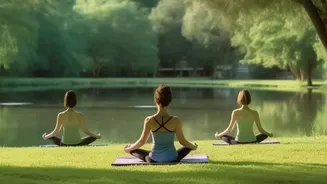
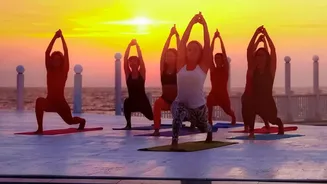
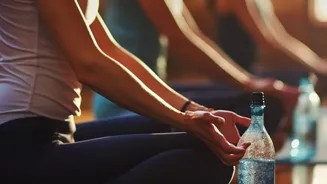
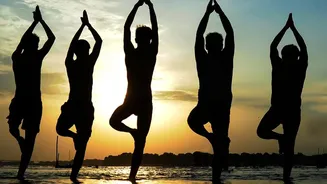
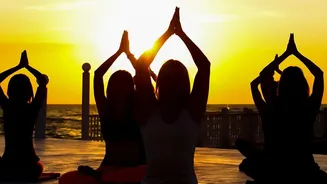
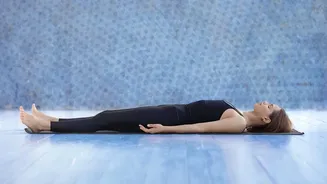
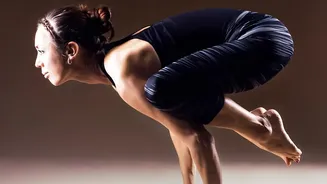
In a group yoga class, the connection is more subtle and inward-facing. Participants roll out their mats and embark on a personal practice, yet they do so within a shared space of quiet intention. The feeling of community comes not from direct interaction, but from breathing and moving through poses in unison, creating a collective energy. Unlike the performance focus of dance, yoga encourages practitioners to tune into their own bodies without comparison or competition. The connection is one of parallel journeys; each person is on their own mat, engaged in their own experience, but supported by the silent presence of others. This environment fosters a sense of calm and introspection, where the group holds the space for individual growth.
The Inward Path: Solo Yoga Practice
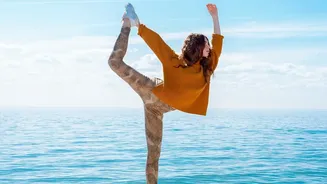
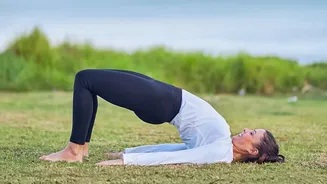
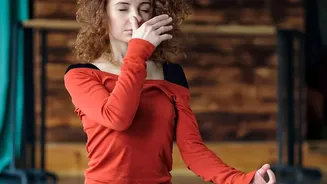
When practiced alone, yoga transforms into a profound tool for self-study and introspection. A solo practice allows you to move at your own pace, holding poses longer, exploring modifications that suit your body, and truly listening to what you need. The focus shifts entirely to the internal landscape: the rhythm of your breath (pranayama), the alignment of your body, and the quieting of the mind. This solitary space is where many practitioners cultivate a deeper mind-body connection, using the practice to manage emotional responses, reduce stress, and foster self-awareness. It becomes less about achieving a 'perfect' pose and more about a consistent, personal conversation with yourself, building a sanctuary of calm in your own home.
Creative Freedom: Solo Dance Practice
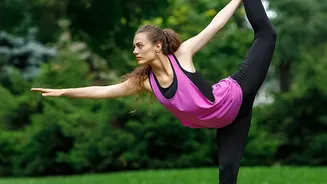
Solo dance practice is an explosion of creative expression and personal freedom. Without the structure of a class or the need to sync with others, a dancer can explore their unique movement language. It's an opportunity for improvisation, storytelling, and emotional release. Dancers often use solo time to choreograph, refine technique, or simply move for the joy of it, letting their instincts guide them. This practice builds confidence, resilience, and a powerful sense of self-expression, as the dancer learns to command their space and tell their own story without relying on anyone else. The focus is on authentic expression and harnessing movement to convey ideas and emotions that words cannot.
Finding Your Rhythm
Choosing between yoga and dance depends entirely on the type of experience you seek. If you crave high-energy social bonding, immediate feedback from a group, and the thrill of moving in synchrony to a beat, dance is an excellent choice. It offers a structured way to meet new people and improve your coordination and cardio fitness in a fun, lively setting. If you are looking for a community that values quiet introspection and parallel growth, a group yoga class may be more suitable. It provides a supportive environment for an internal journey. For those who want to dedicate time to self-discovery and inner peace, a solo yoga practice offers a structured path inward. And if what you truly need is a freeform outlet for creativity and emotional expression, then dancing by yourself might be the most liberating practice of all.