




The Heartbeat of Tradition
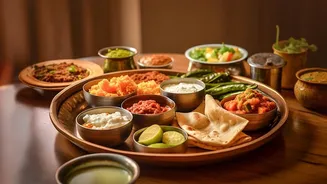
To understand Qatari food, you must start with its national dish, Machboos. It’s a fragrant, hearty platter of spiced rice slow-cooked with either lamb, chicken, or fish, infused with aromatic spices like cardamom, cinnamon, and dried lime (loomi). This
dish is more than a meal; it’s a centrepiece of Qatari hospitality. Another cornerstone is Harees, a porridge-like dish of boiled wheat and meat, often served during Ramadan and family gatherings. Thareed, a savory stew of meat and vegetables served over bread, is a comforting classic that speaks to the region's Bedouin roots. These dishes are not just recipes but are stories of a culture shaped by the desert and the sea, where slow-cooking and shared meals are paramount.
A Sensory Tour of Souq Waqif
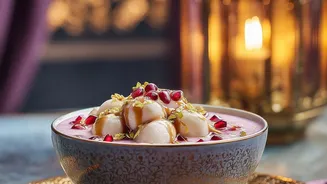
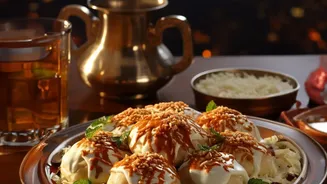
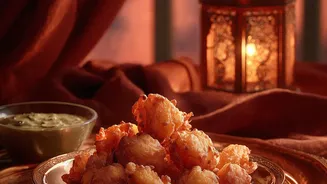
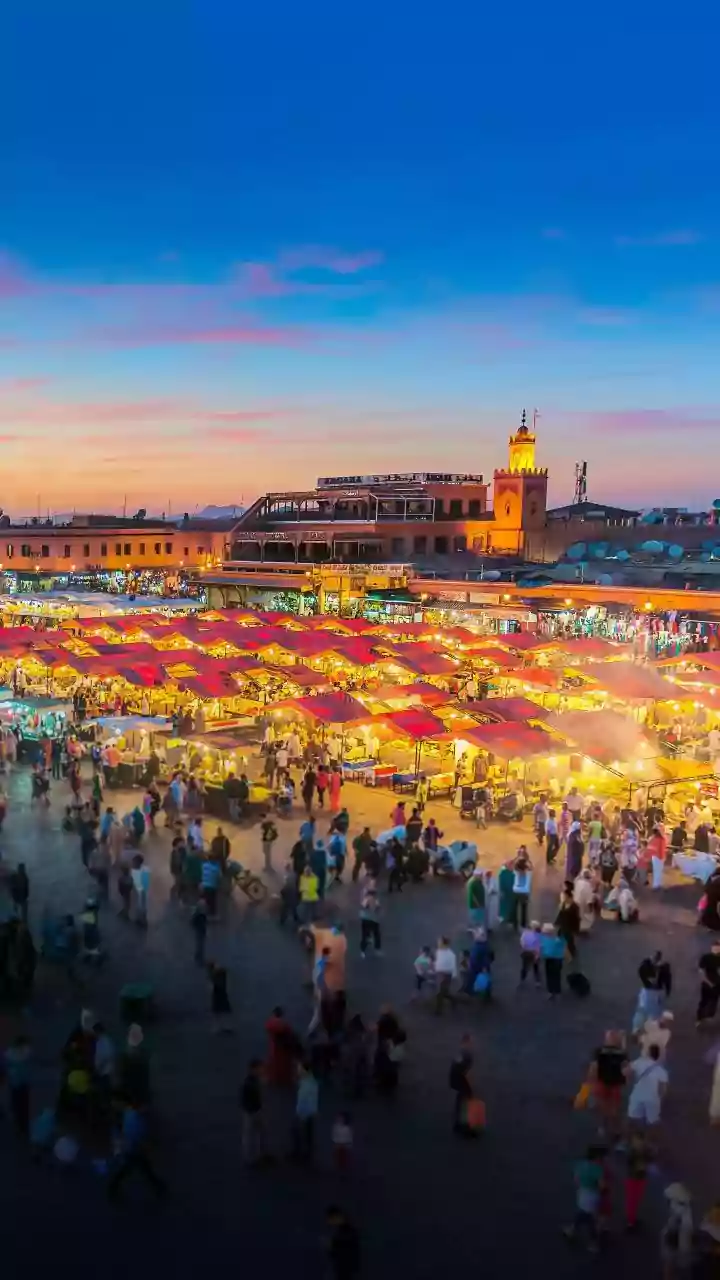
No culinary exploration of Qatar is complete without getting lost in the labyrinthine alleys of Souq Waqif in Doha. This bustling market is a feast for the senses, where the air is thick with the scent of spices, roasting meats, and fresh bread. Here, you can find women selling paper-thin Regag crepes, filled with everything from cheese to honey. Follow the aroma of sizzling kebabs or stop for Luqaimat, which are hot, sweet dumplings drizzled in date syrup. The souq is also home to numerous restaurants serving traditional Qatari, Yemeni, and Persian cuisine, where you can dine on carpets for an authentic experience. It’s a place that comes alive after sunset, offering a vibrant snapshot of local life.
The Daily Ritual of Karak
While Arabic coffee holds ceremonial importance, Karak tea is the drink of daily life in Qatar. This strong, sweet, milky tea, spiced with cardamom, is a beloved institution. Its origins trace back to the Indian subcontinent, but Qatar has made it distinctly its own. You'll find Karak stalls all over Doha, from simple roadside windows to bustling cafes, serving up steaming cups at all hours. It's an affordable and social ritual, often the reason for a quick break or a catch-up with friends. Grabbing a cup of Karak, often paired with a fresh chapati, is an essential Qatari experience, representing a culture of casual hospitality and connection.
A Modern Global Gastronomy Hub
Qatar's culinary scene is not just about tradition; it is a playground for international celebrity chefs and innovative restaurateurs. The skyline of Doha, particularly in areas like The Pearl-Qatar and Lusail, is dotted with fine-dining establishments offering cuisines from around the globe. You can find Michelin-starred restaurants serving everything from refined French-Arabic fusion to high-end Japanese and Peruvian fare. Restaurants like Nobu, Hakkasan, and IDAM by Alain Ducasse offer world-class dining experiences with spectacular views of the city. This global influence reflects Qatar's status as an international hub, where diners can travel the world on a plate without ever leaving the city.
Unique Food Experiences
Beyond the restaurants and souqs, Qatar offers unique food experiences that are worth seeking out. For a taste of coastal life, visit a seafood market like the one in Katara Cultural Village, where you can pick your own fresh fish and have it grilled with Arabic spices. Another quintessential experience is the lavish Friday brunch, a popular social event at many of Doha's high-end hotels, featuring sprawling buffets of international and local dishes. For something truly memorable, a desert safari can culminate in a traditional Bedouin-style dinner under the stars, connecting you to the country's nomadic heritage in the most atmospheric way possible.