




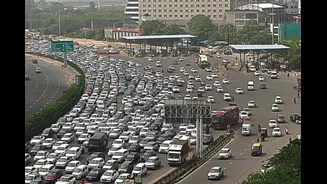
Daily commuters from NCR to Delhi, take note. Starting November 1, 2026, a significant vehicle entry restriction comes into force as part of the city's annual Winter Action Plan to combat severe air pollution. This is what you must know.
Which Vehicles Are Banned?
The rule specifically
targets vehicles registered outside of Delhi. Any petrol or diesel vehicle that does not comply with Bharat Stage VI (BS-VI) emission norms will be barred from entering the capital. This includes all BS-IV, BS-III, and older models. The restriction applies to both private and commercial vehicles, potentially affecting over a million vehicles from neighbouring cities like Noida, Ghaziabad, Gurugram, and Faridabad. This rule is separate from the Graded Response Action Plan (GRAP), which may impose further restrictions on BS-III petrol and BS-IV diesel cars, including Delhi-registered ones, if the air quality deteriorates to 'Severe' levels.
Key Dates and Duration
The entry ban for non-BS-VI vehicles will be in effect from November 1, 2026, and is scheduled to last for three months, ending on January 31, 2027. This period coincides with the winter months when calm winds and lower temperatures trap pollutants, leading to a sharp decline in the city's air quality. The broader Winter Action Plan, which includes other measures, will continue until February 28, 2027.
Are There Any Exemptions?
Yes, several categories of vehicles are exempt from this specific entry ban. The restriction does not apply to any vehicle, regardless of its emission standard, that runs on cleaner fuels like Compressed Natural Gas (CNG) or is an Electric Vehicle (EV). Additionally, vehicles used for essential and emergency services, such as ambulances and fire tenders, will be allowed to enter. It is crucial to note that vehicles registered in Delhi are not covered by this particular entry ban, though they are still subject to other regulations like the 10-year ban on diesel vehicles and GRAP-related restrictions.
How to Check Your Vehicle's Norms
Many commuters may be unsure about their vehicle's emission standard. The Bharat Stage norm is mentioned on your vehicle's Registration Certificate (RC). If you don't have the physical card handy, you can check it online through the government's Parivahan Sewa portal. By entering your vehicle's registration number on the 'Know Your Vehicle Details' section of the VAHAN database, you can find its emission norm listed. BS-VI standards became mandatory for all new vehicles sold in India from April 1, 2020.
Penalties and Enforcement
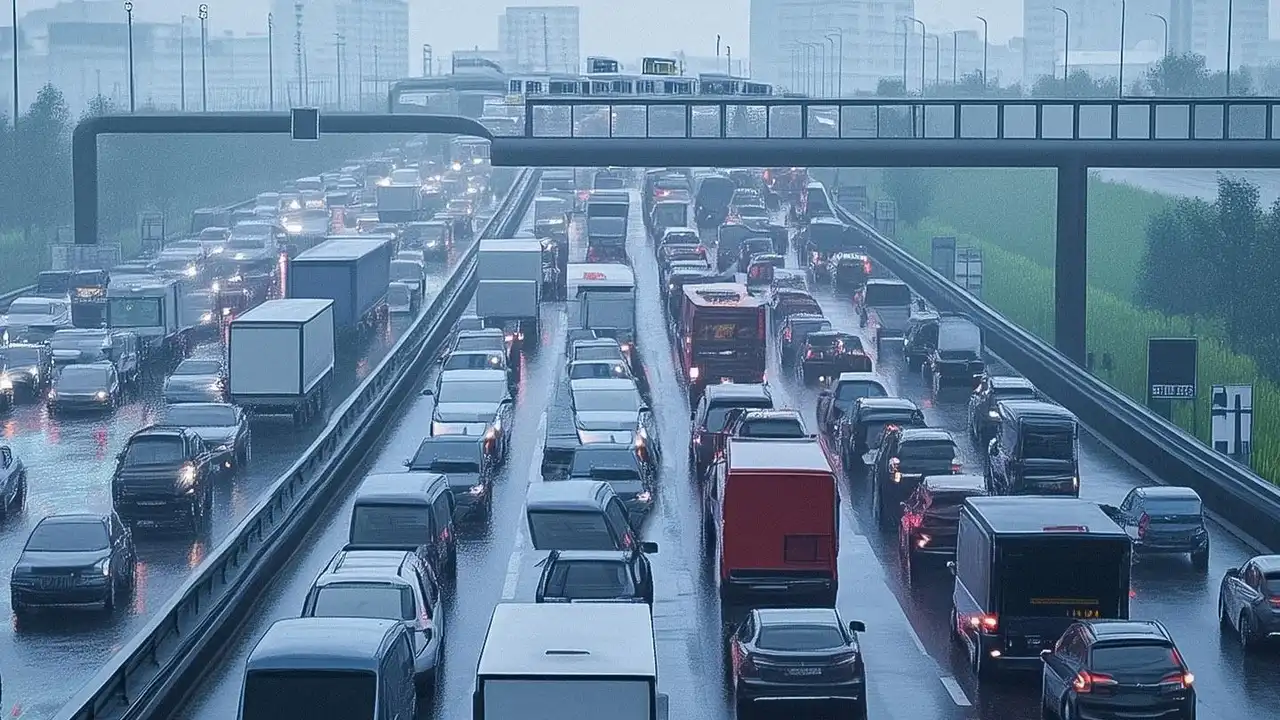
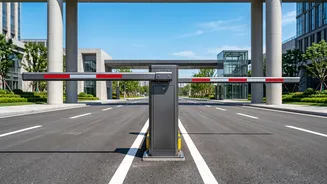
Authorities are planning strict enforcement at all entry points to Delhi. This will involve physical checks by transport department teams and the use of technology like AI-powered Automatic Number Plate Recognition (ANPR) cameras to flag nonstcompliant vehicles. While an official penalty for violating this specific entry ban has not been announced, past instances of violating GRAPstrelated driving restrictions have attracted fines as high as ₹20,000. Separately, a 'No PUC, No Fuel' rule will also be in effect, where vehicles without a valid Pollution Under Control Certificate can be denied fuel and fined up to ₹10,000.
What Are the Alternatives?
For the estimated one millionstplus commuters affected by this rule, planning is essential. The most reliable alternative is to use public transport. The Delhi Metro network provides extensive connectivity across the NCR. Interstate buses that are BSstVI compliant, CNG, or electric will also continue to operate. Other options include carpooling with someone whose vehicle is compliant or using ridesthailing services that use BSstVI, CNG, or electric cars for travel into the city. The government is also encouraging a $50$% workstfromhome policy for offices to reduce traffic.