




The Post-Monsoon Pull
The period from September to November has traditionally been Goa's shoulder season—a quiet interlude between the heavy rains and the peak tourist rush of December. This is precisely its appeal for digital nomads and remote workers. The weather is idyllic,
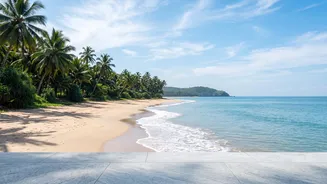
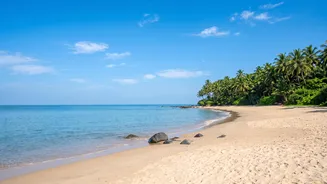
the beaches are uncrowded, and accommodation is more affordable. This seasonal sweet spot offers a peaceful environment conducive to deep work, a stark contrast to both the monsoon's lull and the high-season frenzy. It’s a time when the state sheds its party-centric image and reveals a slower, more mindful side, aligning perfectly with the needs of those looking to blend productivity with tranquility.
The New Goan Office
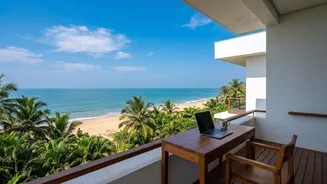
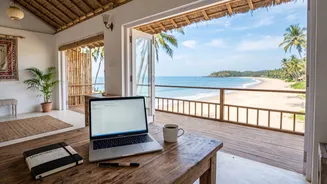
This trend is more than just people working from a laptop on the beach. Property owners, from guesthouses to luxury resorts, are adapting to this new clientele. Many now actively advertise amenities crucial for remote work: high-speed Wi-Fi, reliable power backup, and dedicated workspaces like ergonomic desks and chairs. Cafes are creating 'work-friendly' zones with ample charging points, while co-working hostels and spaces are becoming common, fostering a sense of community among professionals. This shift is being encouraged by the Goan government, which sees the potential in positioning the state as India's premier 'work from beach' destination. Initiatives like the 'Goa Shackathon' aim to turn beach shacks into temporary, collaborative workspaces.
South Goa: The Epicentre of Quiet
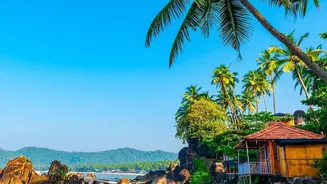
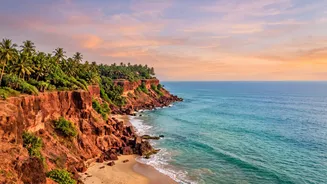
While North Goa is known for its vibrant nightlife, it's the state's southern coast that has become the preferred haven for the post-monsoon nomad. Beaches like Palolem, Patnem, and Agonda offer a more laid-back atmosphere, cleaner shores, and a community of creatives and professionals seeking focus. These areas provide the perfect balance: enough cafes and connectivity to be productive, but without the constant noise and crowds of the northern tourist belts. The vibe in the south is less about parties and more about yoga, wellness, and quiet contemplation, making it an ideal setting for writers, coders, and consultants to settle in for longer stays.
A Mutually Beneficial Arrangement
The rise of the digital nomad is creating a win-win situation. For the professionals, it offers an escape from urban congestion and a healthier work-life balance in a scenic, relaxed environment. For the local Goan economy, it provides a steady and reliable source of income during what was once a quieter period. This trend encourages longer stays, meaning more sustained spending in the local community—from renting scooters and apartments to frequenting local eateries and shops. This helps create a more sustainable model of tourism that is less reliant on the short, intense peak season.
The Reality Behind the Dream
While the vision of sending emails with your feet in the sand is alluring, the reality requires planning. Reliable internet, while improving, can still be a challenge in more remote spots, and professionals are advised to confirm connectivity with their hosts before booking. Power cuts can also be an issue, making properties with generator backup highly sought after. Furthermore, the lifestyle demands discipline. The very temptations that make Goa a great holiday spot—the sun, sea, and social life—can become distractions. Successful workations often rely on a structured routine, treating work hours seriously before allowing for leisure.