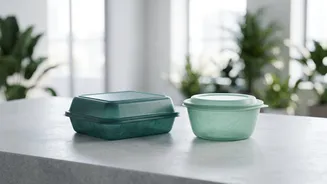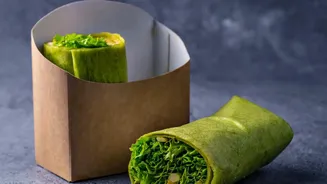





The Plastic Problem in Your Takeaway Bag
India generates millions of tonnes of plastic waste annually, with a large portion coming from single-use packaging used for food and beverages. Despite regulations aimed at curbing their use, these plastics remain a persistent environmental issue due
to challenges in enforcement and a lack of affordable, scalable alternatives. Much of this waste clogs landfills and waterways, breaking down into harmful microplastics that pollute ecosystems and pose health risks. The convenience of a takeaway meal often comes at a high environmental cost, a problem that innovators are now determined to solve from the ground up.
A Solution from the Sea
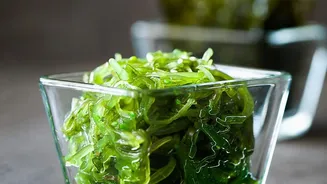
Enter seaweed, a rapidly renewable resource that may hold the key to a plastic-free future. Unlike land-based crops, seaweed requires no fresh water, soil, or fertilisers to grow. In fact, its cultivation can be beneficial, absorbing carbon dioxide and purifying ocean ecosystems. The magic lies in natural polymers like alginate and carrageenan found in different algae species. These substances can be extracted and transformed into materials that mimic the properties of plastic—flexible, durable, and water-resistant—but with one crucial difference: they are fully biodegradable and compostable, breaking down in weeks instead of centuries.
The Innovators Leading the Change
Several Indian startups are at the forefront of this green revolution. One prominent name is Zerocircle, founded by Neha Jain. The company transforms seaweed sourced from coastal communities in states like Gujarat and Tamil Nadu into a range of packaging solutions, including films and coatings. Their materials are designed to be home-compostable and even edible for marine life, ensuring they leave no harmful trace. Another key player is the Bangalore-based Sea6 Energy, which is developing compostable coatings, straws, and films from seaweed. These companies are not just creating products; they are building a new, circular supply chain that also provides economic benefits to local farming communities.
More Than Just an Eco-Friendly Label
The benefits of algae-based packaging extend beyond biodegradability. Many of these new materials are designed to be free from PFAs, or "forever chemicals," which are often used for heat and grease resistance in traditional food packaging but are linked to health and environmental problems. This makes seaweed-based alternatives a safer choice for consumers. Furthermore, some startups have proven their products can perform at scale. Zerocircle has partnered with major food delivery platforms like Swiggy and Zomato to pilot plastic-free burger boxes and other containers, demonstrating that sustainable packaging can meet the demands of India's fast-paced food industry. These materials can be processed on existing machinery, reducing the need for costly new infrastructure for manufacturers.
The Hurdles to Widespread Adoption
Despite its immense promise, the path to replacing plastic is not without challenges. The primary obstacle is cost. Currently, seaweed-based packaging can be more expensive than its petroleum-based counterparts, though companies like Zerocircle expect to reduce costs significantly in the coming years. Scaling up production to meet the massive demand of the Indian market is another significant hurdle that requires investment in both technology and cultivation infrastructure. Finally, success depends on adoption by both businesses and consumers, who must be willing to embrace and properly dispose of these new materials. While the materials are compostable, India's waste management infrastructure is still uneven, which can complicate end-of-life disposal.