


Why Your Body Needs a Lighter Touch
That familiar monsoon craving for fried food, while romantic, goes against what our bodies actually need this season. According to both modern dietitians and ancient Ayurvedic wisdom, the monsoon season brings a natural slowdown. The increased humidity
and reduced sunlight can dampen our digestive fire, or 'agni', making our metabolism more sluggish. This means heavy, oily, and overly spicy foods are much harder for our systems to process, often leading to bloating, acidity, and a general feeling of lethargy. Furthermore, the damp environment is a breeding ground for germs, making our immune systems work overtime. Eating light, freshly-prepared meals is one of the best ways to support your body, ensuring your digestive system isn’t overtaxed and your immunity stays strong.
Redefining Comfort: Warmth Without the Weight
Choosing lighter food doesn’t mean you have to settle for a cold, boring salad. The essence of monsoon comfort is warmth and flavour, and there are countless ways to achieve that soul-satisfying feeling without resorting to the deep fryer. The trick is to swap heavy ingredients and cooking methods for smarter, gentler alternatives that are both delicious and easy on the gut. It’s about finding new rituals and recipes that celebrate the season while taking care of your well-being. Here are a few ideas to get you started on your new monsoon menu.
Embrace the Soothing Power of Soups
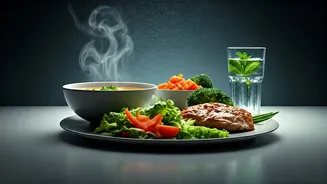
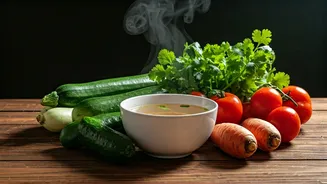
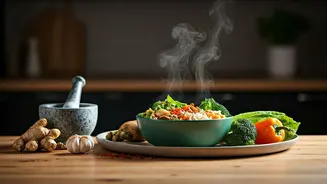
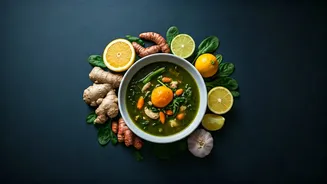
There is nothing quite like a warm bowl of soup on a cool, rainy evening. Soups are the ultimate light comfort food. They are hydrating, easy to digest, and a fantastic vehicle for immune-boosting spices like ginger, garlic, turmeric, and black pepper. Think of a simple but flavourful moong dal soup, a hearty mixed vegetable broth, or a classic tomato soup infused with herbs. These options provide essential nutrients and warmth, satisfying your cravings and nourishing your body from the inside out without feeling heavy.
Discover Steamed Delights
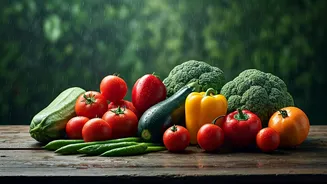
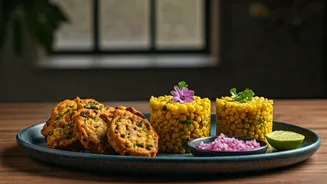
Steaming is a brilliant cooking method for the monsoons. It preserves the nutrients and flavour of food while keeping it light and free from excess oil. Instead of fried pakoras, consider their delicious Gujarati cousin: the dhokla. These fluffy, savoury cakes made from fermented batter are steamed to perfection and incredibly satisfying. You can also try steaming a platter of colourful vegetables like carrots, broccoli, and corn, seasoned with a pinch of salt and pepper. It’s a simple, elegant, and healthy way to enjoy the season’s bounty.
Give Your Chaat a Healthy Makeover
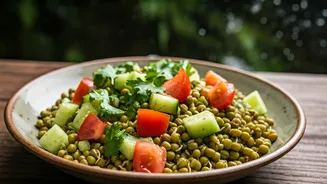
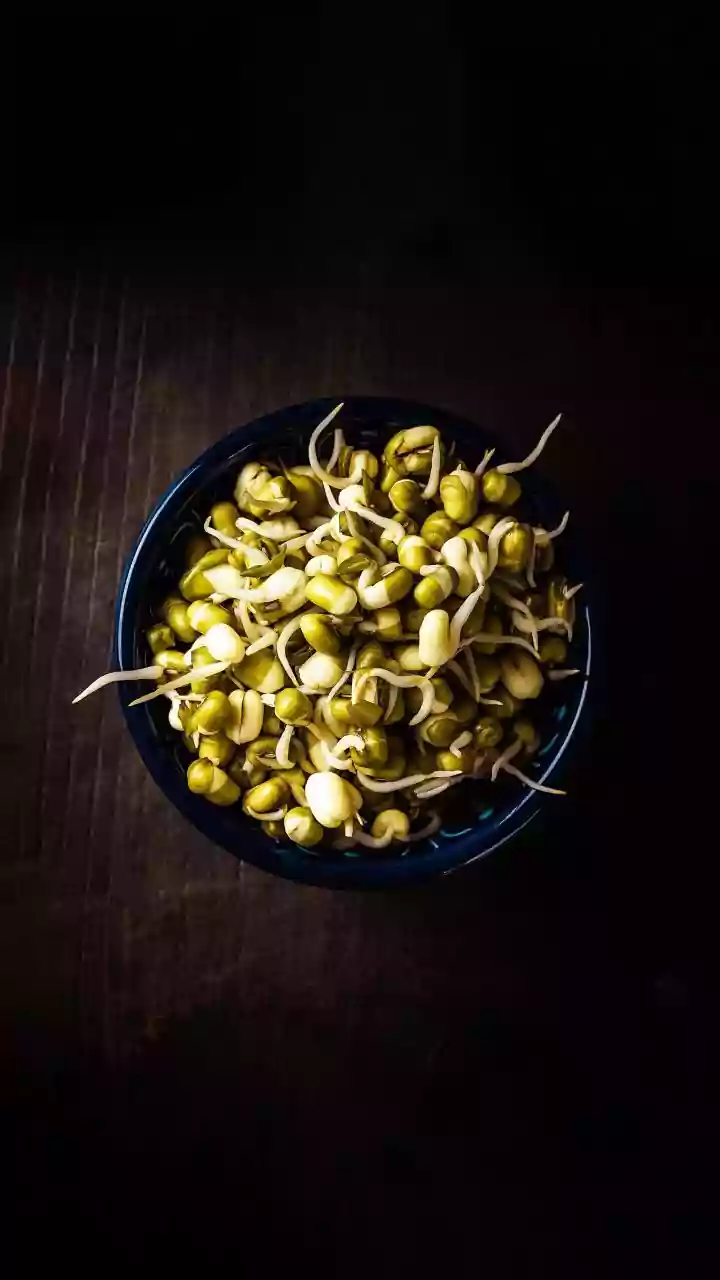
Chaat is a quintessential part of Indian snacking, but many versions can be heavy. For a monsoon-friendly version, try a warm corn bhel. Simply use steamed or boiled corn kernels instead of puffed rice, and mix them with chopped onions, tomatoes, and a tangy squeeze of lemon. Another excellent option is a cooked sprout chaat. It's crucial to cook or blanch sprouts during the monsoon to eliminate any potential bacteria. A warm sprout chaat is not only safe but also a protein-packed and delicious snack.
The Savoury Pancake Perfection
If you crave something more substantial, moong dal cheela is the perfect answer. These savoury pancakes are made from a simple batter of ground lentils and spices, then pan-cooked with minimal oil until golden and crisp. They are packed with protein, easy to digest, and can be stuffed with paneer or vegetables for a more filling meal. A warm cheela served with a side of mint chutney offers the same satisfaction as a heavier snack but with far more nutritional benefits.
Crunchy Alternatives to Fried Snacks
Sometimes, you just need that crunch. Instead of reaching for a packet of fried chips, try roasted makhana (fox nuts) or masala roasted chana (chickpeas). Makhana are incredibly light, low in calories, and can be tossed in a little ghee with your favourite spices. Similarly, roasted chana provides a satisfying, protein-rich crunch. Both options are great for mindless munching during a movie marathon on a rainy night, giving you that crispy texture without the digestive distress of deep-fried snacks.