





A Kitchen Partner, Steps Away
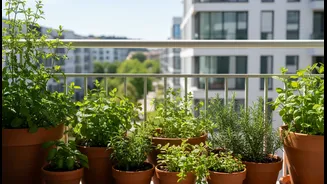
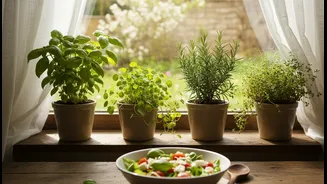
Imagine snipping fresh coriander for your dal or plucking mint leaves for a refreshing chutney, moments before you need them. An edible balcony garden makes this a reality, bridging the gap between your home and your food. The flavour of herbs and vegetables
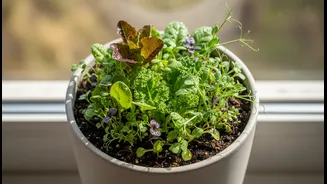
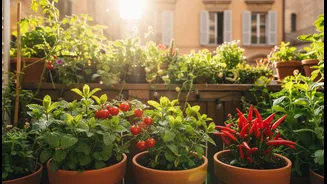
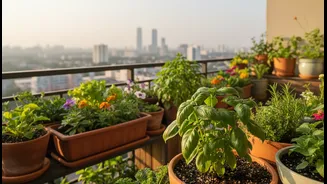
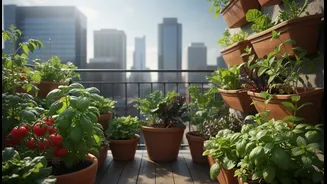
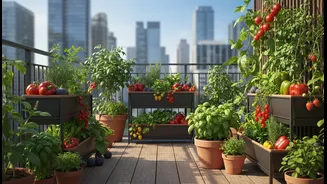
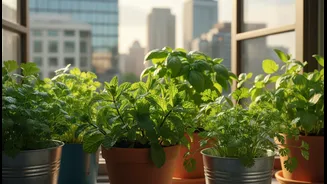
harvested at their peak is unparalleled. Many essential Indian kitchen herbs are surprisingly easy to grow in containers. Mint, coriander, and curry leaves are fantastic starting points for any novice gardener. They are relatively low-maintenance and thrive in pots. Green chillies and cherry tomatoes are also excellent candidates, loving the sun and yielding produce for months. Growing your own produce means you have access to pesticide-free food that is bursting with nutrients. The simple act of adding your own homegrown ingredients elevates everyday cooking into a more connected and rewarding experience.
Your Daily Dose of Calm
Beyond the kitchen, an edible garden is a powerful tool for mental well-being. The simple, repetitive tasks of watering, pruning, and tending to plants can be incredibly meditative. Research has consistently shown that gardening and spending time in nature can reduce stress, anxiety, and symptoms of depression. The act of nurturing a living thing provides a sense of purpose and accomplishment. In a world of digital notifications and constant demands, the slow, steady pace of a plant's life offers a welcome antidote. It encourages you to slow down, engage your senses, and be present in the moment. This connection to a natural cycle provides a grounding and restorative experience, turning your balcony into a sanctuary for mental peace.
The Art of Daily Observation
An edible garden is a miniature world that changes every day, and learning to notice these changes is a reward in itself. Observing your garden sharpens your attention to detail. You start to notice the subtle unfurling of a new leaf, the first appearance of a flower bud, or the way a plant leans towards the sun. This practice of close observation cultivates mindfulness and a deeper appreciation for the natural world. It’s a form of daily discovery. Tracking the growth of your plants provides small, consistent wins that can boost your mood and motivation. Identifying a pest early or noticing that a plant needs water before it wilts gives you a sense of competence and connection. This daily check-in becomes a quiet ritual, a moment to step away from screens and connect with something real and growing.
Getting Your Edible Garden Started
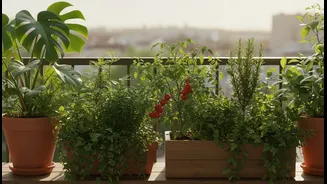
Starting is simpler than you might think. First, observe your balcony to see how much sunlight it gets. Most vegetables and herbs need at least 4-6 hours of sun. South or west-facing balconies are often ideal for sun-lovers like tomatoes and chillies, while shadier spots can still host greens like spinach and mint. Next, choose your containers. Grow bags, clay pots, or even repurposed buckets will work, as long as they have drainage holes to prevent waterlogging. Don't use heavy garden soil; instead, buy a lightweight potting mix, which is a blend of cocopeat, compost, and other materials that provide good drainage and nutrition for container plants. Start small with a few easy plants. As mentioned, mint, coriander, and chillies are great for beginners. You can buy seeds or small starter plants from a local nursery. Water your plants when the top inch of soil feels dry, and you're on your way.