






Choose Your Armour: The Right Luggage
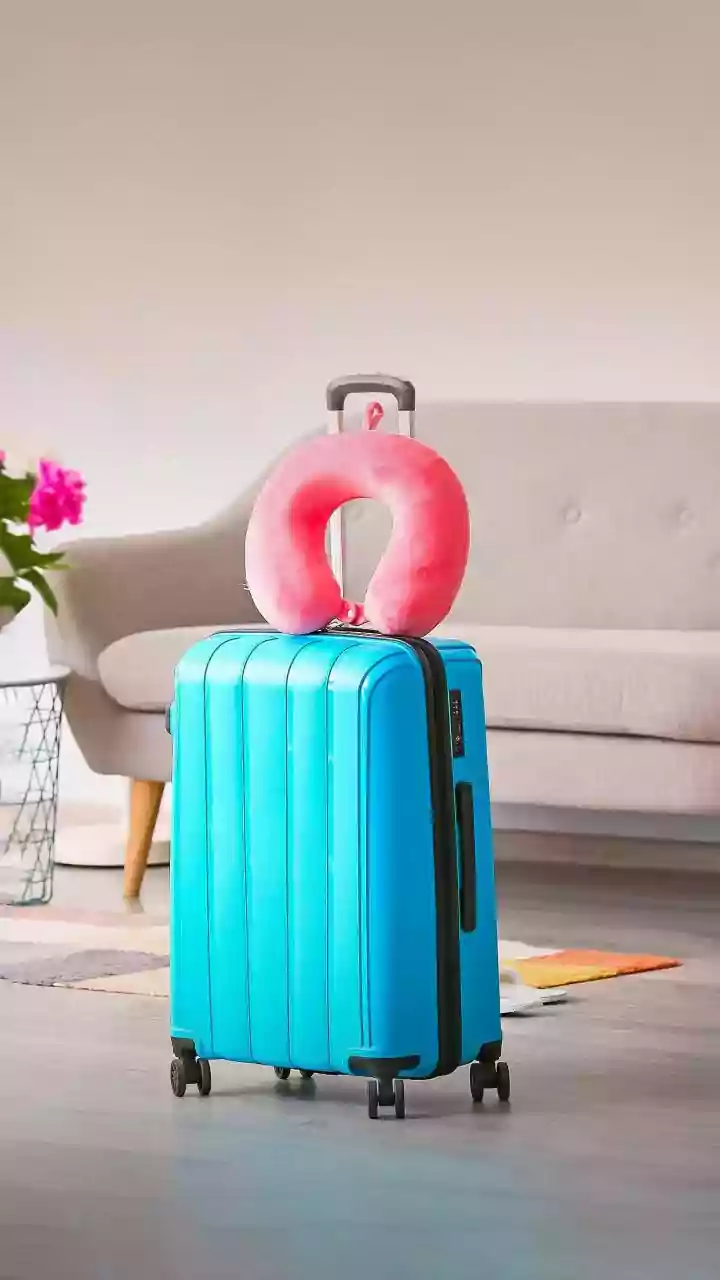
Your first line of defence is the bag itself. While soft-sided luggage is common, it often relies on water-repellent coatings that wear off. Hard-shell luggage made from polycarbonate or polypropylene is naturally water-resistant, causing rain to roll
right off. These bags offer superior protection against sudden downpours on airport tarmacs or while being loaded into a taxi. If you're set on using a soft-sided bag, ensure you have a waterproof rain cover that fits snugly over it for an essential extra layer of protection.
The Fabric Game: A Strategic Wardrobe
Packing for the monsoon is a lesson in fabric science. Leave the denim and heavy cottons at home; they absorb moisture, become heavy, and can take days to dry indoors, often developing a musty smell. Instead, opt for lightweight, quick-drying synthetic materials like polyester and nylon. These fabrics don't hold much water and will air dry in a ventilated room within a few hours. Blends that mix synthetics with materials like elastane can offer the best of both worlds: water resistance and comfortable stretch. Prioritising such fabrics means you can pack fewer items that can be washed and dried quickly on the go.
Roll, Don't Fold: Master The Basics
The age-old debate of rolling versus folding has a clear winner in the monsoon. Tightly rolling your clothes not only saves a significant amount of space but also minimises the deep creases that humidity can set into fabrics. It creates dense, compact bundles that are less likely to shift around and are easier to organise within your luggage. This technique is especially effective for the recommended synthetic fabrics like polyester and nylon, which are less prone to wrinkling when rolled.
Compartmentalise and Compress: The Power of Packing Cubes
Packing cubes are a traveller's best friend, and this is doubly true during the monsoon. These zippered organisers help you compartmentalise your clothing, making it easy to find what you need without unpacking everything. More importantly, cubes made from water-resistant materials like nylon or polyester offer another layer of protection against moisture. Compression cubes take this a step further by allowing you to squeeze out excess air, maximising luggage space and creating a tighter seal against humidity. Some even feature separate compartments for clean and dirty (or damp) clothes, which is invaluable for keeping wet items from contaminating your dry ones.
Protecting Your Tech: A Multi-Layered Approach
Water is the enemy of electronics, and humidity is its sneaky accomplice. Never pack your gadgets directly in your suitcase. The simplest and most effective method is to place each electronic item—phone, charger, power bank, camera—in its own sealable zip-top plastic bag. For extra security, consider investing in a dedicated dry bag, especially for more expensive equipment like cameras or laptops. These bags use a roll-top closure to create an airtight and watertight seal. This multi-layered approach ensures that even if your main luggage is compromised, your valuable electronics remain completely protected from both direct water and ambient moisture.
The Unsung Heroes: Silica Gel and Ziplocks
Never underestimate the power of small additions. Collect those little silica gel packets you find in new shoe boxes or electronic packaging. They are designed to absorb moisture and are perfect for tucking into your luggage. Throw a few into your main bag, inside your shoe bags, and especially in the pouch where you store your electronics. They will work quietly to combat the pervasive humidity. Similarly, bringing a handful of extra zip-top plastic bags of various sizes is a wise move. They weigh almost nothing and are incredibly versatile for quarantining a damp swimsuit, protecting documents, or organising small items.