







The Psychology of Separation
Living, working, and sleeping in one room can lead to mental clutter, where the lines between rest and activity blur. Research shows that cluttered or undefined environments can increase levels of cortisol, the body's stress hormone, and reduce focus.
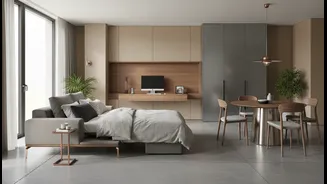
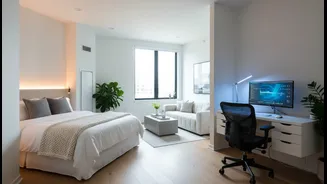
Creating distinct zones provides psychological boundaries. It signals to your brain that this area is for sleeping, that one is for working, and another is for relaxing. This simple act of organization can foster a sense of control and calm, allowing for better focus during the day and more restful sleep at night. It’s not about building walls, but about creating an intentional flow that your mind can easily navigate.
Anchor Your Zones with Rugs
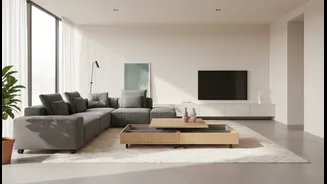
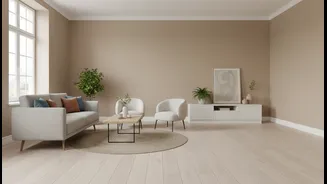
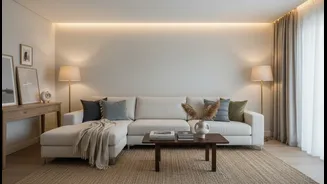
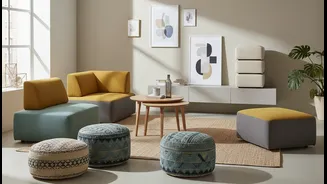
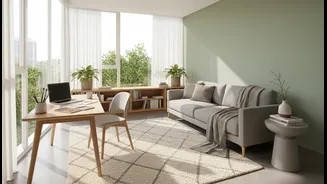
One of the simplest yet most effective ways to define a space is with an area rug. A rug acts as a visual anchor, creating an 'island' that designates a specific function. Place a large, plush rug in your living area to ground your sofa and coffee table, instantly creating a cozy lounge zone. In the dining area, a rug that extends at least 24 inches beyond the table ensures chairs don't catch on the edge when pulled out. For a sleeping nook, a soft rug that extends from under the bed creates a comfortable and visually separate sanctuary. The key is to choose rugs that complement each other in colour or texture to maintain a cohesive feel while still marking clear boundaries.
Use Furniture as Smart Dividers
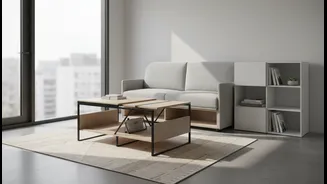
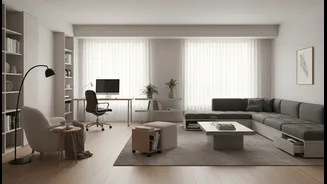
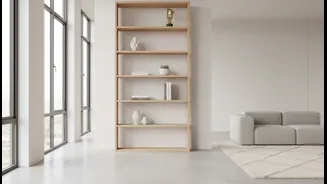
Your furniture can do more than just serve its primary function; it can also act as a divider. An open-backed bookshelf, like the popular IKEA Kallax, is a classic choice because it separates a room without completely blocking light or sightlines. You can style both sides to serve the zones they face. Another powerful technique is to 'float' your sofa away from the wall, using its back to draw a line between the living and sleeping areas. Even a console table placed behind the sofa can reinforce this boundary. For a more distinct separation, a stylish folding screen offers flexibility and an artistic touch, allowing you to create privacy when needed.
Divide and Conquer with Light
Lighting is a powerful, often-overlooked tool for creating zones. By layering different types of light, you can completely change the mood and function of each area. Hang a low-pendant light over your dining table to create an intimate eating spot. Use focused task lighting, like a floor lamp or a desk lamp, in your workspace to encourage concentration. In the living area, softer ambient light from table lamps or wall sconces can create a relaxing atmosphere. Using dimmer switches allows you to adjust the intensity for different activities, further enhancing the distinction between zones. This strategy guides the eye and subtly tells you what each part of the room is for.
Go Vertical with Plants and Curtains
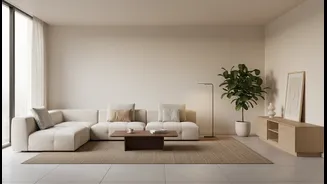
When floor space is at a premium, look up. Vertical elements can create separation without consuming valuable square footage. A ceiling-mounted curtain track allows you to draw a fabric wall around your bed for instant privacy and a cozy, cocoon-like feel. For a softer, more organic division, use plants. A row of tall, slender plants like snake plants or a shelving unit filled with greenery can create a 'living wall' that separates spaces while purifying the air and adding a touch of nature. These vertical dividers draw the eye upward, making the room feel taller and more dynamic.
Invest in Multi-Functional Pieces
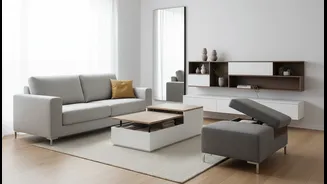
In a single room, every piece of furniture should earn its keep. Multi-functional furniture is essential for maximizing space while minimizing clutter. A lift-top coffee table can transform from a casual surface to a dining table or workstation. A storage ottoman provides seating, a footrest, and a place to hide away blankets or magazines. Beds with hydraulic lift-up storage offer significantly more space than models with simple drawers. By choosing smart, adaptable furniture, you reduce the number of items you need, which helps keep your carefully crafted zones feeling open and uncluttered.