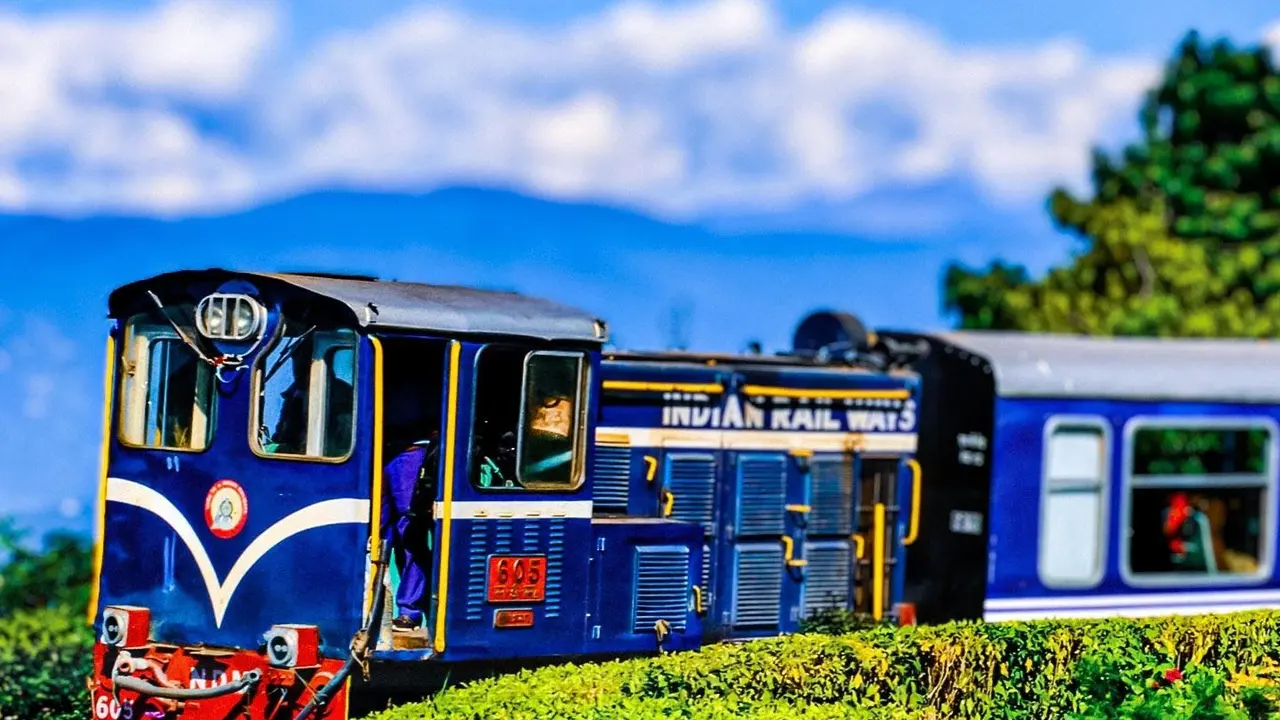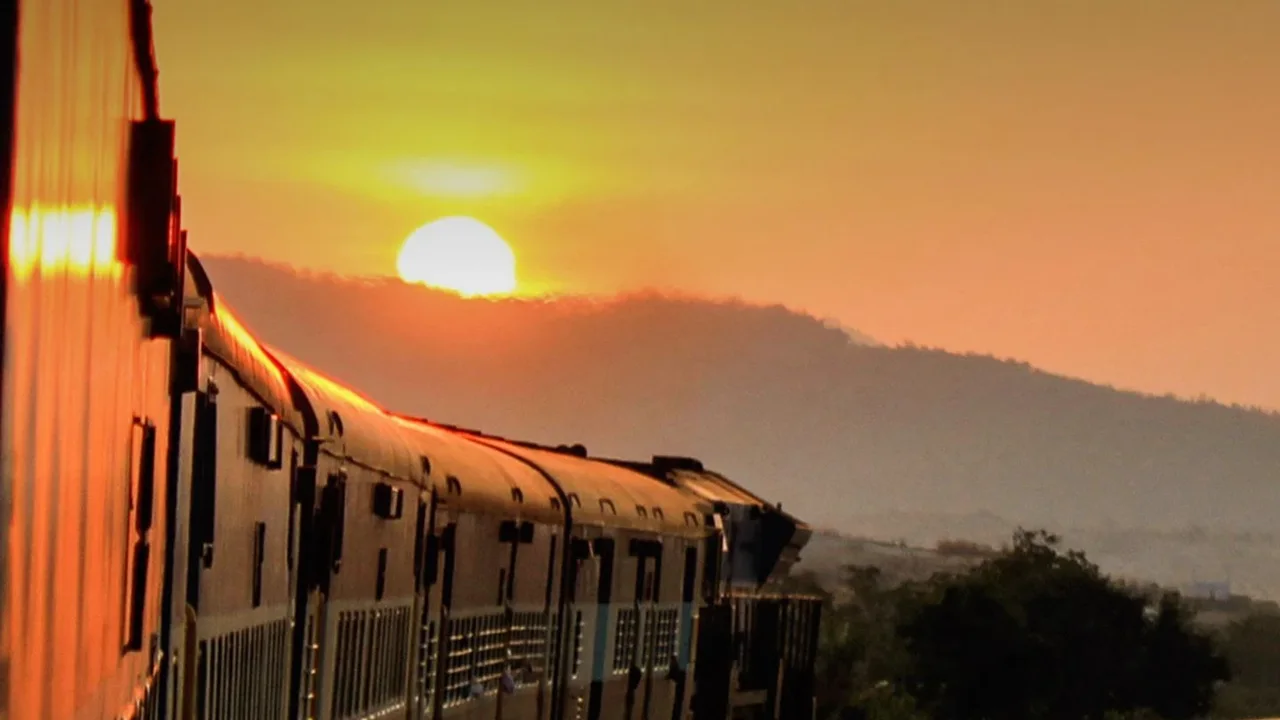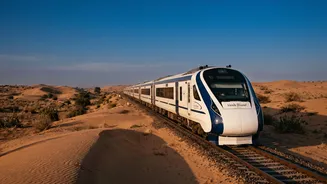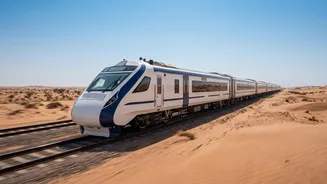


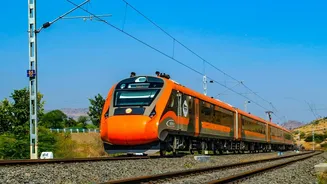
India's modern Vande Bharat Express offers a swift and comfortable way to journey through Rajasthan's diverse landscapes. One key route, the Jodhpur-Sabarmati line, takes you directly through the state's arid heartland and connects to its only hill station.
The Thar Desert Rail Corridor
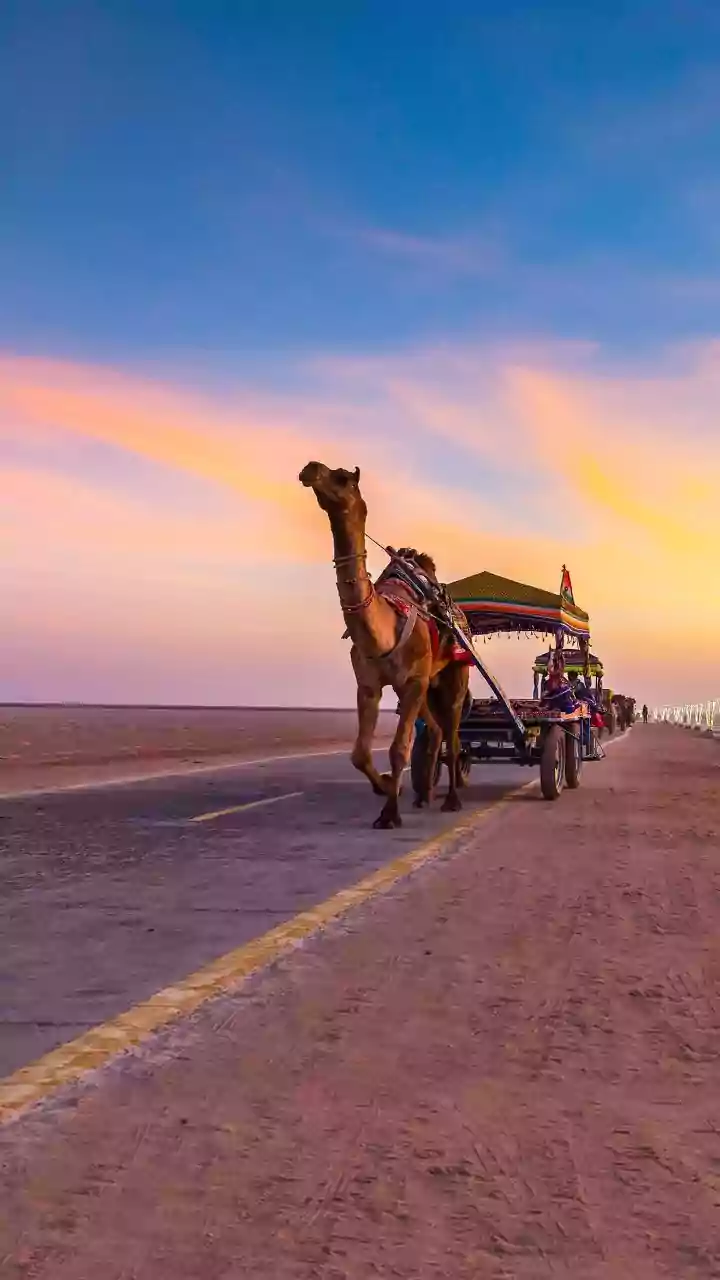
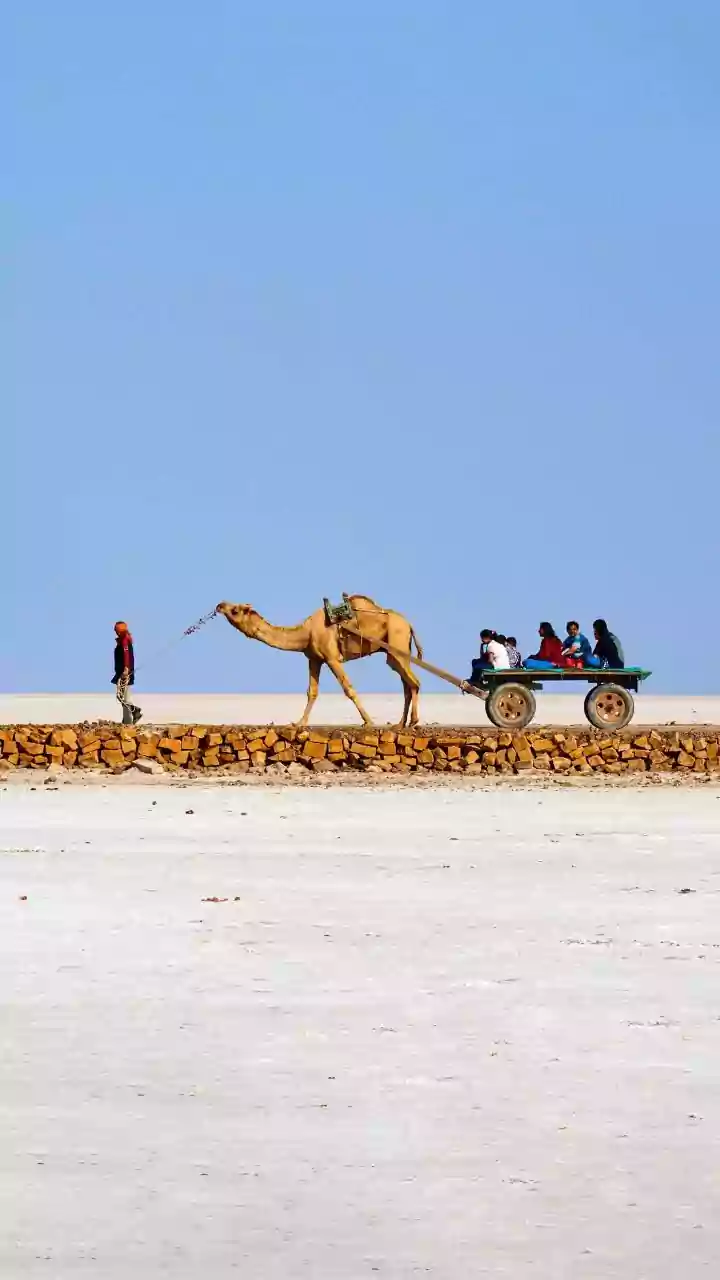
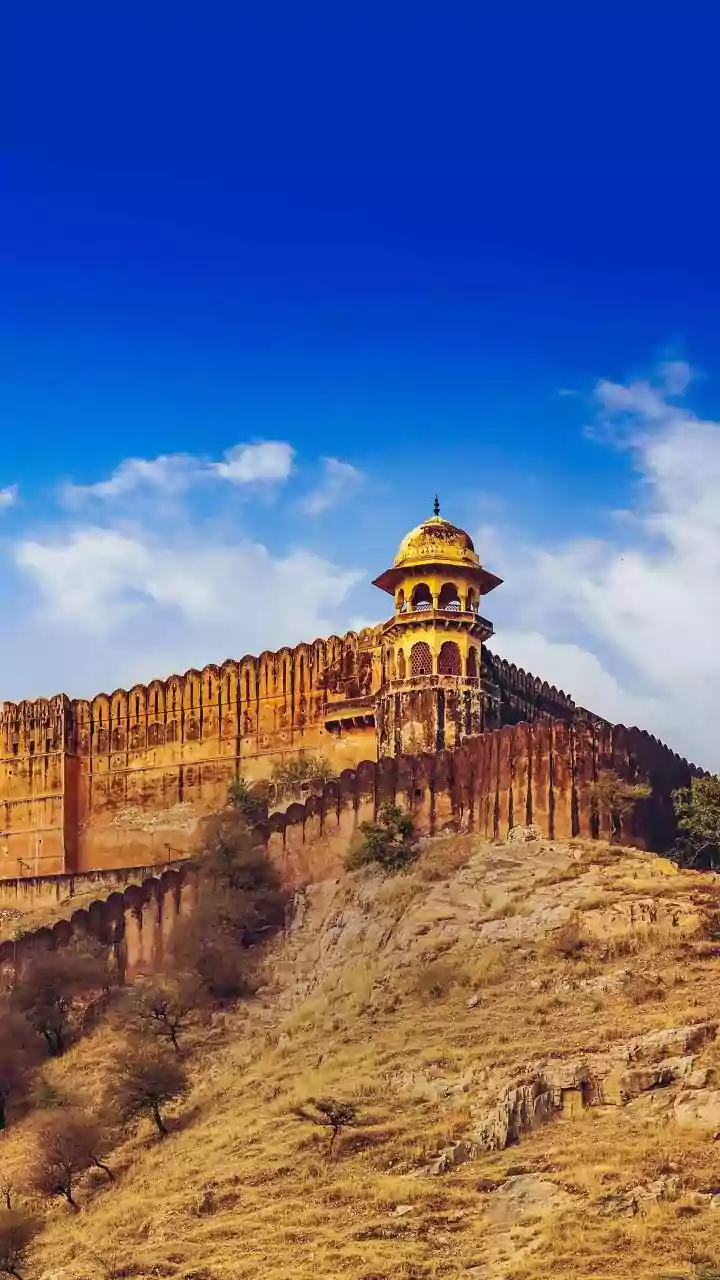
When people think of the Thar Desert, they often imagine vast, sandy emptiness. But this region is dotted with historic cities, sacred temples, and unique wildlife. The Vande Bharat Express connecting Jodhpur to Sabarmati (Ahmedabad) provides a direct, high-speed link through this very landscape. This service, which runs six days a week (excluding Tuesdays), makes several key stops within Rajasthan, allowing travellers to experience a journey of dramatic contrasts—from the sun-kissed forts of Marwar to the cool, green slopes of the Aravalli Range. The train significantly reduces travel time compared to other services on the route, making it an efficient option for exploring this part of the state. Let's explore the destinations you can discover along this modern railway line.
Jodhpur: The Sun City Gateway
The journey begins in Jodhpur, Rajasthan’s second-largest city and the historic capital of the Marwar kingdom. Known as the 'Blue City' for the iconic indigo-hued houses of its old town, Jodhpur is a treasure trove of history and culture. The formidable Mehrangarh Fort dominates the skyline, offering panoramic views and housing a magnificent museum. Below the fort, the bustling Sardar Market, with its central Ghanta Ghar (Clock Tower), is a vibrant hub for shopping and street food. Jodhpur serves as the northern terminus for this Vande Bharat route, making it the perfect starting point for an adventure into the Thar region.
Pali Marwar: A Land of Temples and Leopards
The first stop after leaving Jodhpur is Pali Marwar, a district that beautifully blends industrial heritage with ancient spirituality. While the city of Pali is known for its textile industry, the surrounding region offers compelling attractions for travellers. The area is a gateway to the famous Jawai Dam, a reservoir that has become a prime location for leopard safaris. The rocky hills around Jawai are home to a thriving leopard population that coexists with local communities. Pali district also boasts a rich collection of temples, including the revered Parshuram Mahadev Temple and the unique Om Banna Dham, a shrine dedicated to a motorcycle and its rider. This stop offers a glimpse into a more rustic and wild side of Rajasthan.
Falna: The Gateway to Ranakpur's Marvels
Further south, the train halts at Falna, a town primarily known for being the most convenient railhead for reaching the world-famous Ranakpur Jain Temples. Located approximately 35 kilometres away, these 15th-century temples are an architectural masterpiece, renowned for their intricate marble carvings and the 1,444 pillars, each one unique. The main temple, Chaumukha Mandir, is dedicated to Adinath, the first Jain Tirthankara. Beyond Ranakpur, Falna also serves as a base to explore Kumbhalgarh Fort and its surrounding wildlife sanctuary. Falna itself is home to the Jain Golden Temple, making this stop a must for those interested in sacred architecture and history.
Abu Road: The Path to Rajasthan's Only Hill Station
The final Rajasthani stop on this route is Abu Road, situated at the foothills of the Aravalli Range. This station is the primary access point for Mount Abu, the state's only hill station. A scenic 28-kilometre drive up the mountains takes you to a cool retreat from the desert heat. Mount Abu’s main attractions include the serene Nakki Lake, perfect for boating, and the breathtaking Dilwara Jain Temples, which feature some of the most stunningly detailed marble work in the world. Visitors can also hike to Guru Shikhar, the highest point in Rajasthan, for spectacular panoramic views of the surrounding landscape. This stop offers a refreshing and lush contrast to the desert plains.