







The Predictable Urban Narrative
Every year, as dark clouds gather over India, the national conversation on monsoon health settles into a familiar rhythm. Media reports and public health alerts predominantly spotlight the challenges faced by metropolitan giants. We see extensive coverage
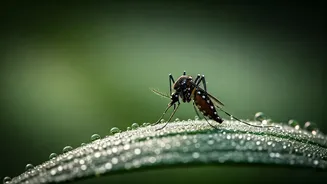
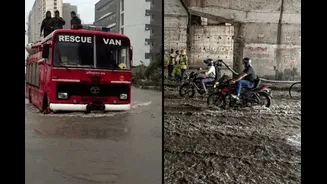
of flooding in Mumbai disrupting life and overwhelming drainage systems, and Delhi’s battle with rising cases of mosquito-borne diseases like dengue and chikungunya. Stagnant water in urban construction sites and residential colonies becomes a visible threat, turning into breeding grounds for Aedes aegypti mosquitoes. This focus is not unwarranted; the dense populations and infrastructure strains in these cities create significant public health risks. However, this narrative, which is heavily concentrated on a few major urban centres, paints an incomplete picture of the monsoon's true health impact across the nation.
Life Beyond the Metropolis
Step outside the urban echo chamber, and the monsoon reveals a different set of dangers. In rural India, where about 65% of the population resides, the challenges are less about overwhelmed civic infrastructure and more about geography, access, and basic amenities. Floods don't just cause traffic jams; they wash away homes, contaminate the only sources of drinking water, and cut off entire communities. Recent floods in Northeast India, for instance, have inundated hundreds of villages in states like Assam and Arunachal Pradesh, destroying crops and infrastructure, and leaving thousands vulnerable. For these communities, the nearest Primary Health Centre (PHC) might become inaccessible for days or weeks, turning a treatable illness into a life-threatening emergency. This reality is a world away from the concerns dominating primetime news cycles.
A Different Plague of Illnesses
While dengue and malaria are significant threats everywhere, the health burden in non-urban areas is often dominated by a different class of ailments: water-borne diseases. When floods cause sewage to mix with wells, hand pumps, and community water supplies, it triggers outbreaks of diseases like typhoid, cholera, jaundice, and acute diarrhoeal diseases. Between 2005 and 2022, India reported over 200 million cases of major water-borne diseases, with states like West Bengal, Andhra Pradesh, and Uttar Pradesh bearing a heavy burden. Another often-ignored risk in agricultural and rural areas is leptospirosis, a bacterial disease transmitted from animals to humans through contact with contaminated water and soil. Cases often peak following heavy rainfall. Furthermore, snakebites become a major hazard as flooded fields and homes force snakes to seek dry shelter in closer proximity to humans.
The Widening Infrastructure and Access Gap
The vulnerability of rural and semi-urban areas is compounded by a severe healthcare deficit. While cities may have a concentration of hospitals, rural India struggles with a shortage of doctors, under-equipped PHCs, and poor transport infrastructure. Many PHCs lack the staff and supplies to handle a surge in monsoon-related illnesses, and absenteeism among healthcare providers in remote areas is a persistent problem. This means that diagnosis is often delayed and treatment is inadequate. Even when government initiatives like the National Rural Health Mission are in place, the physical challenge of reaching a clinic during a flood can be insurmountable. This stands in stark contrast to urban centres where, despite their own problems, a multitude of private and public healthcare options are usually within reach.