





More Than Just Roti and Chawal
For generations, the Indian diet, in its vast regional diversity, has often been centred on energy-dense carbohydrates like rice and wheat. While delicious and essential, a national conversation is now pivoting towards what’s served alongside them. The
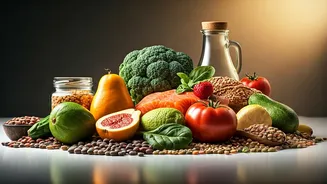
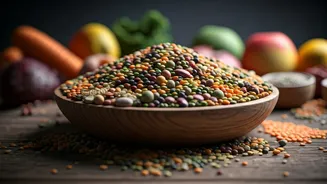
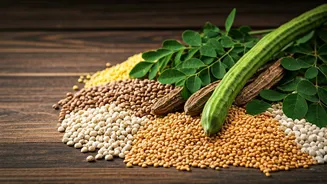
focus is shifting from merely filling the stomach to mindfully nourishing the body. This isn't just a fleeting wellness trend; it's a recalibration backed by scientific guidance. The Indian Council of Medical Research (ICMR) recently updated its dietary guidelines, putting a strong emphasis on diversifying the food plate. The recommendation is clear: limit cereals to 45% of your total energy intake and ensure that pulses, beans, and meat make up a significant portion, providing much-needed protein. This official push validates a change that has been slowly simmering across the country—an understanding that a balanced diet is crucial for tackling modern health challenges.
The Government's Nutritional Blueprint
This dietary re-evaluation is being actively championed at the policy level. Initiatives like the POSHAN Abhiyaan (National Nutrition Mission) aim to tackle malnutrition comprehensively, targeting children, pregnant women, and lactating mothers. But the scope is broader. There's a growing recognition that India faces a 'double burden' of malnutrition: the persistence of undernutrition in some pockets and a rapid rise in obesity and non-communicable diseases (NCDs) like diabetes and hypertension in others. The updated ICMR guidelines directly address this by cautioning against the overconsumption of ultra-processed foods, fat, and sugar. By setting clear, evidence-based targets for a 'My Plate for the Day', the government is providing a practical blueprint for citizens to follow, turning public health advice into actionable daily choices.
The Great Millet Makeover
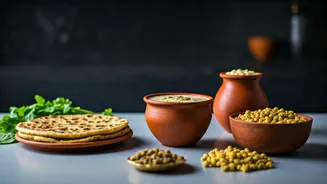
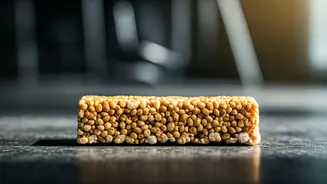
Perhaps no single food group better represents this shift than millets. Once a staple for many rural and tribal communities, grains like jowar, bajra, and ragi were sidelined by the Green Revolution's focus on wheat and rice. Now, they are making a spectacular comeback. Championed by the Indian government and highlighted by the UN’s declaration of 2023 as the International Year of Millets, these 'nutri-cereals' are being celebrated for their resilience to climate change and their impressive nutritional profile. Rich in fibre, protein, vitamins, and minerals, millets have a lower glycemic index than refined grains, making them an excellent choice for managing blood sugar levels. From ragi dosas in Bengaluru cafes to millet-based snacks on supermarket shelves, these ancient grains are being integrated into the modern Indian diet, representing a powerful return to our agricultural roots.
Urban India's Wellness Wave
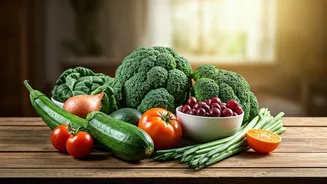
In metropolitan India, the focus on balanced diets is visible everywhere. Health-conscious consumers are driving demand for organic produce, clean-label products, and plant-based proteins. Fitness apps with calorie and nutrient trackers have become commonplace, empowering individuals to take control of their eating habits. This urban wellness wave has also sparked a thriving start-up ecosystem, with companies offering everything from healthy meal subscriptions and nutrition consultations to fortified foods and healthy snacks. While this trend is currently concentrated in tier-1 and tier-2 cities, it has a significant ripple effect, influencing food trends, media conversations, and consumer aspirations across the country.
Challenges on the Path to Balance
Despite the positive momentum, the path to a nutritionally balanced India is not without hurdles. The primary challenge remains accessibility and affordability. For a large section of the population, nutrient-dense foods like fruits, vegetables, and quality proteins are significantly more expensive than subsidised cereals. Knowledge gaps also persist, with many people still unaware of the specific components of a balanced diet or how to incorporate them into traditional cooking. Overcoming these barriers requires a multi-pronged approach: strengthening the public distribution system to include more diverse foods, promoting local and seasonal produce, and running sustained public awareness campaigns that make nutritional science easy to understand and apply in everyday life.