








Finding Your Balance
A balanced cleaning method doesn't mean cleaning all day. It means creating a sustainable routine that blends daily habits, weekly tasks, and smart deep-cleaning, all tailored to the challenges of high humidity. The goal is consistency over intensity.
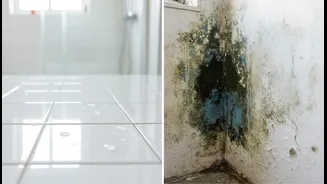
By breaking tasks into manageable chunks, you prevent the overwhelming build-up of dampness, mould, and musty odours that are common during the Indian monsoon. This approach combines prevention, like ensuring good ventilation, with reaction, like promptly dealing with spills and muddy footprints. It’s about working smarter, not harder, to maintain a healthy and pleasant living space throughout the season.
Daily Habits to Master Moisture
Your first line of defence is a set of small, daily actions. Start at the entrance with absorbent doormats to trap mud and water before they get tracked through the house; consider using one mat outside and another inside. After showers, use a squeegee on bathroom walls and floors to direct water to the drain, and always use the exhaust fan or open a window to let humid air escape. In the kitchen, wipe down counters and the stovetop after every meal. Finally, make a habit of opening windows for a few hours on dry or less rainy days to encourage air circulation, which is one of the most effective ways to combat stale, damp air.
The Weekly Reset for a Fresher Home
Set aside time once a week for slightly bigger tasks. Mop floors with an antibacterial cleaner, but use a damp mop rather than a soaking wet one, as excess water evaporates slowly in humid weather. Change and wash bed linens and towels weekly, adding half a cup of white vinegar to the rinse cycle to help kill mould spores and neutralise odours. This is also a good time to inspect damp-prone areas like under sinks, behind furniture, and along windowsills. Dust surfaces thoroughly, as dust can absorb moisture and contribute to a musty environment. If you have carpets, vacuum them and consider sprinkling baking soda on them 15 minutes prior to absorb any odours.
Guarding Wardrobes and Storage
Closets and wardrobes are prime spots for mildew and musty smells as they trap humid air. To protect your clothes, never store them if they are even slightly damp. Ensure they are completely dry before folding them away. Place moisture absorbers like silica gel sachets, activated charcoal bags, or traditional camphor balls inside your wardrobes. These products work by drawing excess moisture from the enclosed space. It also helps to leave a small gap between stacks of clothes and to avoid over-packing drawers and cupboards to allow for better air circulation.
Natural Solutions for Odours and Mould
Before resorting to harsh chemicals, try natural remedies. Placing bowls of white vinegar, coarse salt, or baking soda in room corners can help absorb moisture and neutralise odours. For a pleasant fragrance, you can simmer citrus peels and cinnamon sticks on the stove or use an essential oil diffuser with antifungal oils like tea tree or eucalyptus. If you spot mould, you can often treat it with a spray solution of equal parts white vinegar and water. For walls, a solution made from boiling neem leaves is a traditional and effective antifungal treatment.
Smart Laundry Management
Doing laundry during the monsoon is a common challenge. The key is to get clothes completely dry as quickly as possible to prevent them from developing a sour, mildewy smell. Don't let wet clothes pile up in the laundry basket. Wash smaller loads more frequently if possible. If drying outdoors isn't an option, hang clothes indoors in a well-ventilated room and use a fan to create airflow, which will speed up drying time significantly. Once clothes feel dry, give them some extra time hanging before storing them to ensure all residual moisture has evaporated.