

Don’t Try to Straighten or Realign the Bone
One of the most dangerous mistakes is attempting to straighten a visibly bent limb or push a bone that is sticking out of the skin back into place. Moving a broken bone can cause immense pain and severely damage the surrounding nerves, blood vessels,
and muscles. An open fracture, where the bone has broken the skin, carries a high risk of infection, and pushing the bone back in can introduce dirt and bacteria deep into the wound. The cardinal rule of fracture first aid is to immobilize the limb in the position you found it. Support it with pillows or rolled-up clothing to prevent movement until medical professionals arrive.
Don’t Move the Injured Person Unnecessarily
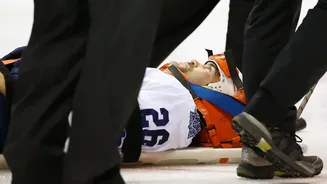
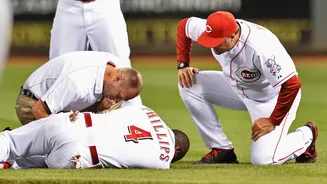
Unless the person is in immediate danger—for example, in the middle of a road or near a fire—do not move them. This is especially critical if you suspect a fracture in the head, neck, or back, where movement could lead to paralysis or other severe complications. Even with a limb fracture, unnecessary movement can worsen the injury and increase pain. The primary goal is to keep the person still and calm while you call for emergency services. Rest and immobilisation are the most effective actions you can take in the first few minutes.
Don’t Give Food, Drink, or Painkillers
It might seem kind to offer water or a pain-relieving tablet, but this should be avoided. The injured person may require surgery to properly set the bone, which often requires general anaesthesia. Having food or drink in their stomach can complicate or delay the procedure. Leave decisions about medication to the doctors who will be treating the injury. Your role is to provide comfort and support, not to administer medicine.
Don't Assume It's 'Just a Sprain'
Many fractures, especially small cracks or chips, don't result in an obvious deformity. The symptoms—pain, swelling, and bruising—can look very similar to a severe sprain. It is impossible to tell the difference without a medical evaluation, and assuming it's a minor injury can lead to someone putting weight on a broken bone, potentially making it worse. If the pain is severe, the area is tender to the touch, or the person cannot bear weight, treat it as a fracture until a doctor has confirmed otherwise. Delaying medical care can lead to improper healing and long-term complications.
Don’t Apply Heat or Massage the Area
The instinct to rub a painful spot is common, but it should be resisted. Massaging a suspected fracture can increase swelling and bleeding, and aggravate tissue damage. Similarly, applying heat is the wrong approach in the initial hours after an injury. Heat increases blood flow, which will worsen swelling. If you want to provide relief, the correct method is to apply a cold pack wrapped in a cloth for about 15-20 minutes at a time. Never apply ice directly to the skin, and do not place it over an open wound.
Don't Hesitate to Call for Emergency Help
Some people are reluctant to call for an ambulance, thinking the injury isn't 'serious enough'. However, certain fractures are always an emergency. This includes open fractures where bone is visible, suspected breaks in large bones like the thigh, or any injury to the head, neck, back, or pelvis. If the person is showing signs of shock (like pale skin or rapid breathing), there is heavy bleeding, or the limb below the injury feels numb or looks blue, call for help immediately. It is always better to be cautious and let a professional assess the situation.