

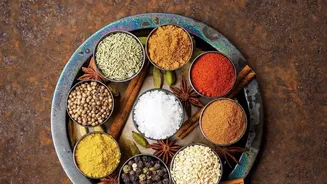
The Allure of Ancient Wisdom
There's an undeniable romance to the idea of using beauty treatments passed down through generations of royalty. Whether it's the milk baths of Egyptian queen Cleopatra or the saffron-infused practices of Mughal empresses, these stories connect us to a past
filled with glamour and mystery. They suggest a form of beauty that is natural, holistic, and time-tested. In an age of complex chemical formulas and high-tech procedures, the simplicity of ingredients like rose water, sandalwood, and turmeric feels grounded and authentic. This return to tradition is not just about skincare; it's about embracing rituals that feel meaningful and rooted in a holistic sense of well-being.
Cleopatra’s Legendary Milk Bath
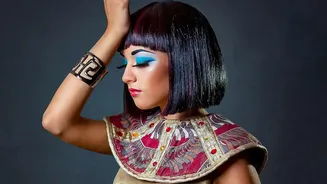
Perhaps the most famous royal beauty ritual is Cleopatra's daily bath in milk and honey. Legend has it this practice was the secret to her soft, radiant skin. From a modern scientific perspective, there is some truth to this. Milk contains lactic acid, an alpha-hydroxy acid (AHA) that gently exfoliates by dissolving the bonds holding dead skin cells together. This can reveal smoother, brighter skin. Honey is a natural humectant, meaning it draws moisture into the skin, and it also possesses antibacterial properties. While Cleopatra wouldn't have known about AHAs, she would have seen the results: softer, refreshed skin. Of course, her ritual reportedly involved vast quantities of fresh milk, a luxury few can replicate today.
The Mughal and Rajputana Approach
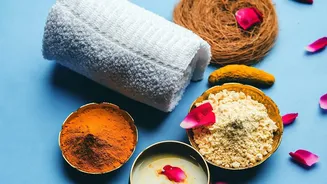
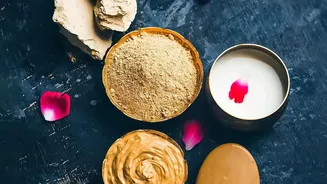
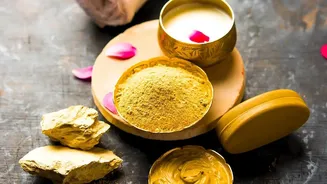
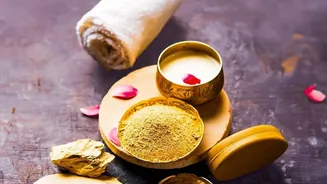
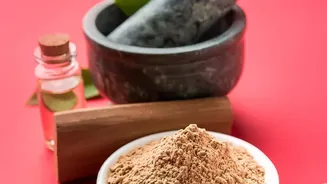
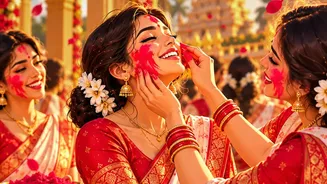
Indian royalty had its own sophisticated repertoire of beauty secrets, often rooted in Ayurvedic principles. Mughal empresses like Nur Jahan were known for their elaborate rituals, popularising ingredients that are still staples in Indian households. She was famously fond of rose water baths, which soothe and cool the skin. Ubtan, a paste made from ingredients like gram flour, turmeric, sandalwood, and milk or rose water, was a centrepiece of royal skincare. These preparations acted as natural cleansers and exfoliants. Turmeric offers anti-inflammatory benefits, while sandalwood is known for its cooling effects. In Rajasthan, where the climate was harsh, queens like Maharani Gayatri Devi reportedly used turmeric pastes and perfumed oils to keep skin glowing.
Myth vs. Modern Science
While many ingredients used in royal rituals have proven benefits, it's crucial to approach the grand claims with a critical eye. Ancient practices were not subject to the rigorous safety and stability testing of modern cosmetics. An ubtan made at home will not have the same standardised formulation as a product developed in a lab. For instance, while Cleopatra's kohl-lined eyes are iconic, ancient kohl was often made with lead-based minerals, which are highly toxic. Similarly, some historical practices for achieving a pale complexion involved dangerous substances. The effectiveness of these rituals also depended on fresh, pure ingredients that are harder to source today. The key takeaway is that while the core ingredients are often beneficial, the historical execution was not always safe or superior to modern methods.
How to Adopt Royal Rituals Wisely
Instead of trying to replicate ancient recipes exactly, the best approach is to be inspired by the ingredients. Look for modern skincare products that incorporate these time-tested elements in safe, stable formulations. Rose water is an excellent toner, valued for its anti-inflammatory properties that can reduce redness. Saffron is known for its antioxidant and anti-inflammatory agents that can brighten skin. Clays like Multani Mitti (Fuller's Earth) are fantastic for absorbing excess oil and cleansing pores. You can enjoy the wisdom of these traditions without the risks. Focus on the ingredient's function—sandalwood to cool, turmeric to brighten, milk-derived lactic acid to exfoliate—and find a product that delivers it safely. Always patch-test new ingredients, even natural ones, to avoid irritation.