




September's Vegetable Harvest
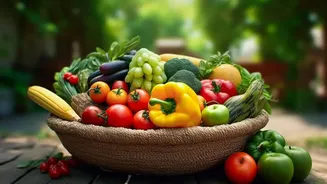
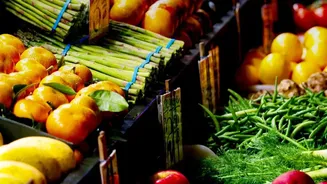
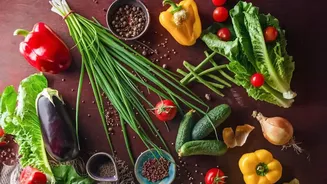
The markets in September are brimming with a mix of late-monsoon and early-autumn vegetables. Knowing what to look for is key. Pumpkin (kaddu) should be heavy for its size with a hard, deep-coloured rind. The stem should be firm and dry, indicating it was
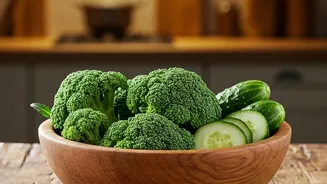
harvested at maturity. For bottle gourd (lauki), choose one that is pale green, firm, and slender; avoid any with soft spots or yellowing skin. It's also a great time for leafy greens like spinach (palak). Look for vibrant green leaves that are crisp, not wilted or yellowing. When selecting cucumbers, opt for firm, dark green ones without soft or shrivelled ends. These vegetables form the base of many hearty and nutritious Indian dishes.
The Freshest Fruits of the Month
September is a fantastic month for fruit lovers. Apples begin to arrive in abundance. A fresh apple will be firm to the touch, have smooth skin, and feel heavy for its size. Pomegranates (anaar) are another seasonal star; pick ones that feel heavy and have tough, unblemished skin. The colour should be a deep red. Custard apples (sitaphal) are also in season. A ripe one will feel slightly soft under gentle pressure, much like an avocado. Avoid those with dark blemishes or overly soft spots. These fruits are perfect for snacking, adding to breakfasts, or making fresh juices.
Selecting Quality Proteins
Your meal plan isn't complete without a good source of protein. When buying chicken, freshness is paramount as poultry can spoil quickly. Look for meat that is pinkish and translucent, with skin that is white or yellowish. Avoid any pieces with dark blotches, purple wing tips, or a grayish colour. The flesh should be firm; if it feels soft or looks slimy, it's best to avoid it. For fresh fish, the eyes are a great indicator; they should be clear and bulging, not cloudy or sunken. The gills should be a clean red, and the flesh should spring back when pressed. Most importantly, fresh fish should smell like the sea, not overly 'fishy' or like ammonia. A fresh smell is a non-negotiable sign of quality.
From Market to Meal Plan
Connecting your fresh finds to your weekly meals is the fun part. The pumpkin you picked is perfect for a classic kaddu ki sabzi, a flavourful soup, or roasted as a side dish. Use the tender lauki for a simple, comforting curry or to make koftas. Fresh spinach can be wilted into dal, blended into a vibrant palak paneer, or used as a filling for parathas. Crisp apples can be sliced into salads for a refreshing crunch, while pomegranates add a jewelled touch to raitas and rice dishes. Planning your meals around these seasonal ingredients ensures you’re eating food at its peak flavour and nutritional value.
Smart Storage for Lasting Freshness
To make your ingredients last, proper storage is essential. Most vegetables, including gourds and greens, do best in the crisper drawer of your refrigerator. It's wise to store leafy greens like spinach after they are washed and thoroughly dried; wrapping them in a paper or cloth towel inside a bag can help absorb excess moisture and prevent wilting. Onions and garlic should be kept in a cool, dry, and dark place with good air circulation, but not next to potatoes. Fruits like apples and pomegranates have a longer shelf life in the fridge, while custard apples should be left on the counter to ripen and then refrigerated. Always refrigerate any cut or peeled produce to keep it fresh and safe to eat.