




The New Work-From-Anywhere Culture
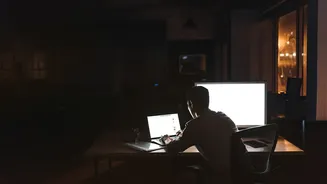
The remote work revolution has transformed from a temporary solution into a permanent lifestyle choice for many professionals in India. No longer tethered to a physical office, tech workers, freelancers, and entrepreneurs are seeking destinations that
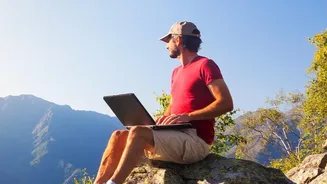
offer more than just a place to live—they want a place to thrive. This has given rise to the 'workation' trend, where professionals combine their work commitments with the rejuvenation of travel. Mountain towns have become particularly popular, offering a clean environment, peaceful surroundings, and an escape from city chaos. Sikkim, with its pristine landscapes and developing infrastructure, is rapidly positioning itself at the forefront of this movement.
Why Sikkim Is the Ideal Remote Work Base
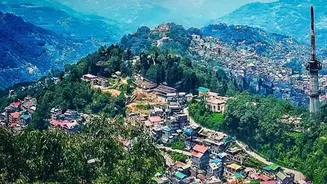
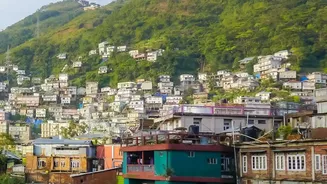
Sikkim, and its capital Gangtok, offer a unique combination of natural beauty and modern necessities, making it an attractive destination for digital nomads. The state government has been actively fostering a supportive ecosystem for technology and entrepreneurship. Initiatives like 'Nomad Sikkim' have led to the creation of India's first official 'Digital Nomad Village' in Yakten, a project designed to offer a structured environment for remote workers while boosting the local economy. This forward-thinking approach ensures that remote workers have access to reliable high-speed internet and power backup, which are crucial for uninterrupted productivity. The region’s reputation for safety, clean air, and organic food culture further enhances its appeal.
Inside a Gangtok Co-Living Hub
So, what can a remote worker expect from a co-living hub in Gangtok? These spaces are designed to cater specifically to the needs of working professionals. A typical setup includes a private or shared room, ergonomic workstations, and common areas for networking and relaxation. High-speed fibre WiFi, often with power backup, is a standard offering. Many hubs feature shared kitchens where residents can prepare their own meals, alongside cafes that provide a space for breaks and casual meetings. Some even offer creator-focused facilities like podcast recording studios. The core idea is to provide a seamless blend of privacy for focused work and community for social interaction, removing the isolation that can sometimes accompany remote work.
Embracing the Monsoon Magic
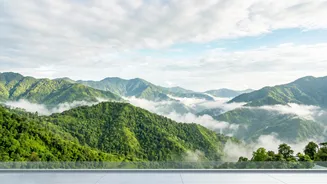
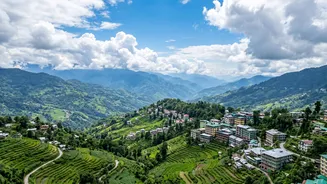
While many tourists visit the Himalayas during spring and autumn, the monsoon season (roughly June to September) offers a unique and compelling experience for a workation. This period is considered the off-season for tourism, which means fewer crowds and a more peaceful environment conducive to deep work. Far from being a dreary time, the monsoon transforms Sikkim into a lush, green paradise. The landscape is shrouded in mist, clouds drift lazily past your window, and the sound of rain provides a calming soundtrack to your workday. It's the perfect time for professionals who want to minimise distractions and immerse themselves in a cozy, introspective atmosphere while enjoying the dramatic beauty of the rain-washed mountains.
More Than Just a Desk with a View
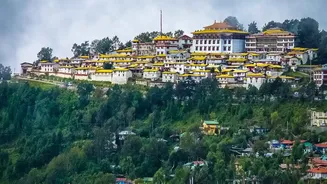
The 'living' aspect of these co-living hubs is just as important as the 'co-working' one. These spaces foster a strong sense of community, connecting residents with like-minded professionals from diverse backgrounds. Weekends and evenings offer opportunities to explore Sikkim’s rich culture and natural wonders. You can embark on short treks, visit ancient monasteries, explore bustling local markets like MG Marg, or simply unwind in a charming café. Many workation initiatives also facilitate cultural exchange by connecting visitors with local families and community events, allowing for a deeper, more authentic experience that goes far beyond a typical tourist visit. It's a holistic approach that balances productivity with personal growth and adventure.