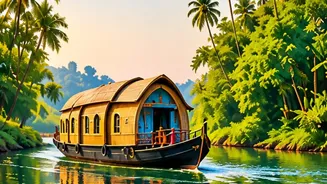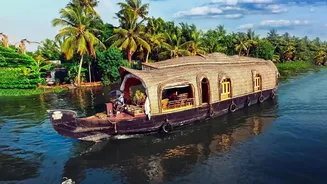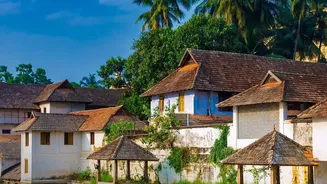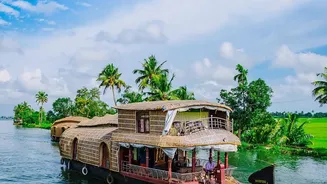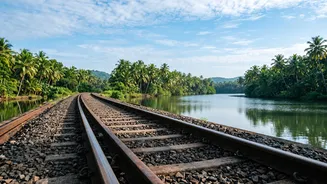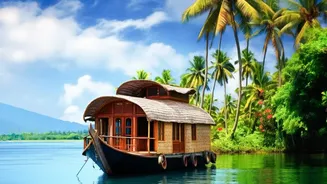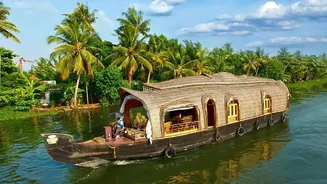





When you picture Kerala’s backwaters, you likely imagine a houseboat gliding down a palm-fringed canal. But beyond the popular routes, a quieter, more thoughtful way of travel is taking hold, especially in the calm, post-monsoon bliss of November.
The Allure of November's Climate
November
in Kerala marks a sweet spot in the calendar. The heavy monsoon rains have subsided, leaving the landscape fantastically lush and green, while the peak tourist season of December and January has yet to arrive. This means travellers can expect pleasant weather, with daytime temperatures typically ranging from 23°C to 32°C, and significantly less rainfall than in previous months. The result is clearer skies, comfortable conditions for exploring, and a more relaxed atmosphere. Fewer crowds not only lead to a more peaceful experience but can also mean more reasonable prices for accommodation and tours, making it an ideal time for a serene and budget-conscious journey.
What 'Conscious Travel' Means Here
The term 'conscious traveller' points to a more responsible and mindful approach to exploring. In the context of Kerala’s delicate backwater ecosystem, this means making choices that support the local community and protect the environment. It involves moving beyond conventional tourism, which has at times threatened the waterways with pollution and overcrowding. Conscious travel here is about seeking out experiences that offer genuine cultural immersion while leaving a minimal footprint. This can include choosing eco-friendly houseboats that use solar power and have proper waste management systems, staying in family-run homestays, or opting for tours that directly benefit the village economy. It's a travel style that prioritises authenticity and sustainability over fleeting photo opportunities.
Beyond the Crowded Canals
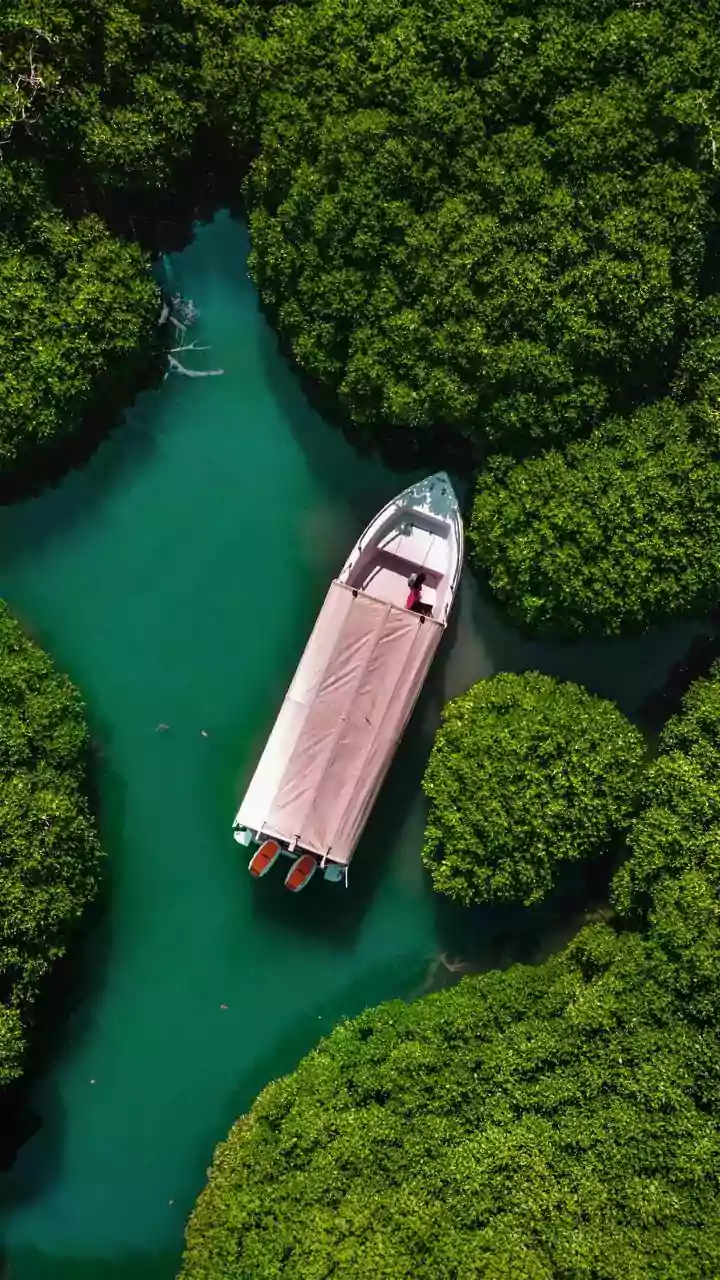
While Alleppey (Alappuzha) is the famous gateway to the backwaters, its popularity means the main canals can get busy with large houseboats. For a quieter escape, conscious travellers are looking towards less-explored networks. The backwaters near Kollam, home to the expansive Ashtamudi Lake, offer a more tranquil experience. Similarly, the northern backwaters in Kasaragod, such as the pristine Valiyaparamba, remain largely untouched and provide a glimpse into a more serene side of waterway life. Destinations like Kumarakom, while well known, have also pioneered responsible tourism initiatives, fostering a balance between visitor experiences and community well being. Exploring these areas often involves smaller boats or canoes, which can navigate the narrow, intimate canals that larger vessels cannot reach.
How to Travel Deeper
Embracing a conscious travel mindset opens up a wealth of deeper experiences. Instead of a standard houseboat cruise, consider a canoe trip through a small village. These silent, motorless vessels allow for closer encounters with birdlife without causing disruption and support local guides directly. Staying in a village homestay provides an unparalleled opportunity to understand the local culture, share home cooked meals, and learn about the communitys relationship with the water. Many responsible tourism initiatives also arrange visits where you can see traditional coir (coconut fibre) making, watch fishermen at work using age old techniques, or explore local farms and markets. These interactions not only enrich your trip but also ensure that your tourism spending directly empowers the local people and helps preserve their heritage.
Choosing Your Quiet Escape
When planning your trip, look for operators and accommodations that are transparent about their sustainable practices. Many certified eco friendly houseboats now exist, equipped with bio toilets and solar panels to prevent pollution. Ask about community based tourism programs, which are designed to support local livelihoods. The Kerala governments Responsible Tourism Mission has been instrumental in developing many of these initiatives, particularly in villages like Kumarakom. By seeking out smaller, locally owned businesses and asking questions about their environmental and social impact, you can ensure your visit contributes positively to the preservation of this unique and beautiful 'Gods Own Country'.