

The Rise of the Biophilic Kitchen Nook
The impulse to fill our homes with plants isn't new, but the focus on creating dedicated green 'nooks' in the kitchen is a fresh evolution. This trend is part of a larger design movement known as biophilic design, which aims to connect us more closely
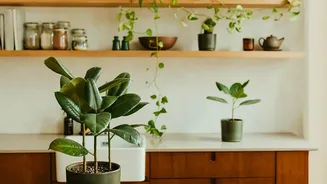
with nature in our daily lives. Kitchens, once seen as purely functional, are now prime candidates for this green makeover. A corner that might have previously gathered clutter is being reimagined as a mini-garden. This shift is driven by a desire for improved air quality, the psychological benefits of being around plants, and the practical joy of having fresh ingredients within arm's reach. This is more than just a single pot on a windowsill; it's about creating a layered, intentional feature that adds life and beauty to the hub of the home.
Choosing Your Green Companions
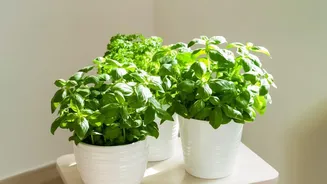
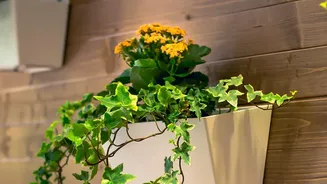
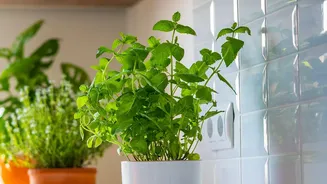
The success of a kitchen corner garden depends on selecting the right plants. Given that corners can have variable light, it’s wise to choose hardy and adaptable species. For culinary use, herbs are a natural fit. Basil, mint, parsley, and chives are excellent choices that can thrive indoors. Many are also 'cut and come again' plants, meaning you can harvest them regularly to encourage more growth. Beyond herbs, consider plants known for their low-light tolerance and air-purifying qualities. Snake plants and ZZ plants are famously resilient and require minimal care, making them perfect for beginners or less-than-ideal lighting conditions. For a splash of color or something unexpected, trailing plants like pothos or string of hearts can soften the look of shelves and planters. If your corner does get a bit of sun, you might even succeed with compact cherry tomatoes or peppers in a deep pot.
Smart Planters and Vertical Solutions
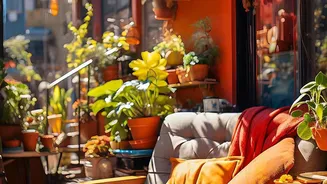
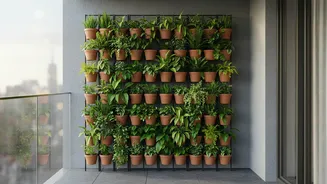
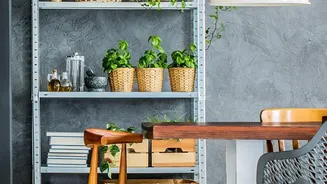
Maximizing a small corner means thinking vertically. This trend heavily relies on innovative planters that make the most of upward space. Wall-mounted pocket planters, made of fabric or plastic, allow you to create a living wall effect with minimal footprint. Tiered shelf stands, often designed in a ladder style, offer a freestanding option that doesn’t require drilling into walls, making them ideal for renters. Hanging baskets can also be used effectively, drawing the eye upward and freeing up counter space. For a more high-tech approach, self-contained hydroponic towers are becoming increasingly popular. While a bigger investment, these systems often come with built-in grow lights and self-watering features, taking the guesswork out of plant care and allowing for a surprising amount of produce from a very small footprint.
Light, Water, and Essential Care
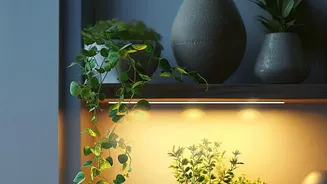
A common challenge for any corner garden is ensuring adequate light. While some plants are shade-tolerant, most edible herbs require several hours of light per day. If a nearby window isn't enough, consider supplementing with a small, full-spectrum LED grow light. Modern grow lights are energy-efficient, stylish, and can be easily clipped onto a shelf or integrated into your setup. When it comes to watering, consistency is key, but overwatering is a common mistake. Always check if the top inch of soil is dry before watering again. Proper drainage is crucial; ensure your pots have holes or use a layer of gravel at the bottom of a hole-less decorative pot to create a reservoir. Grouping plants together can also create a small pocket of humidity, which most houseplants appreciate. This microclimate helps them thrive and reduces the frequency of watering.