



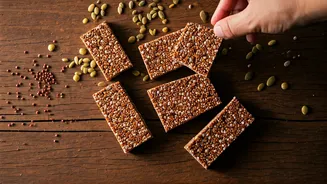


An Ancient Grain’s Modern Comeback
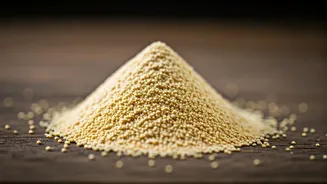
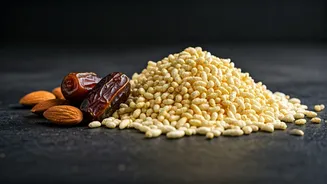
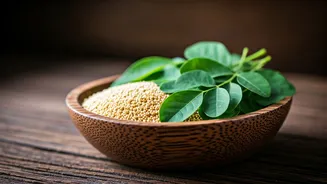
Before it started appearing in chic urban bakeries, amaranth—or 'rajgira' (the royal grain) as it's known in India—was already a household staple, particularly during fasting periods like Navratri. For generations, we’ve enjoyed it in the form of fluffy
puris, hearty porridges, and crunchy chikkis. Its status as a 'vrat ka khana' is rooted in its identity as a pseudocereal, not a true grain, making it a permitted food during religious fasts. This long-standing cultural connection gives amaranth an authenticity that newer 'superfoods' lack. Now, chefs and bakers are tapping into this heritage, re-imagining rajgira not just as a fasting food, but as a premium, everyday ingredient that offers a direct link to traditional Indian wellness.
The Nutritional Powerhouse
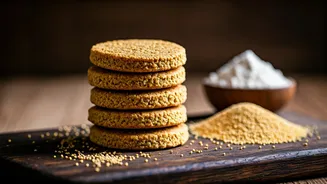
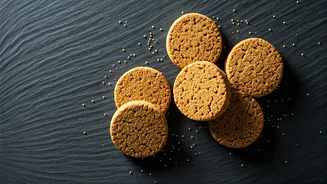
So, what’s driving this shift beyond nostalgia? The answer lies in amaranth’s impressive nutritional profile. Unlike refined wheat flour (maida), which dominates conventional baking, amaranth flour is a complete protein, containing all nine essential amino acids. It's naturally gluten-free, making it an excellent choice for those with celiac disease or gluten sensitivity. Furthermore, it’s packed with essential minerals like calcium, iron, magnesium, and manganese, far outshining its refined counterparts. For a growing number of health-conscious consumers, swapping a maida-based biscuit for an amaranth one is a simple, effective upgrade. It transforms an indulgent snack into something that also contributes positively to their daily nutritional intake without feeling like a compromise.
A Uniquely Nutty Flavour
Health benefits are a major draw, but a food trend can’t survive on nutrition alone. Amaranth’s true secret weapon is its distinct flavour. It has a pronounced nutty, earthy, and slightly malty taste that adds a whole new layer of complexity to baked goods. While maida is a neutral canvas, amaranth brings its own personality to the recipe. This unique flavour profile pairs beautifully with classic Indian ingredients like jaggery, cardamom, nuts, and seeds. A biscuit made with amaranth isn't just a healthier version of a normal biscuit; it’s a different, more flavourful experience altogether. This depth of taste is what converts curious first-timers into loyal fans, as it offers a more sophisticated and satisfying bite.
From Biscuits to Ladoos and Beyond
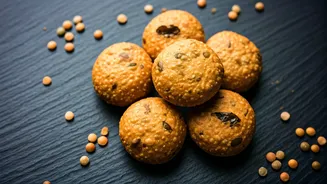
While the headline highlights biscuits, the amaranth revolution extends far beyond them. Creative bakers are using rajgira flour to craft everything from dense, fudgy brownies and soft-baked cookies to energy-packed ladoos and even savoury crackers. Its versatility is a key part of its appeal. The flour’s ability to absorb moisture results in wonderfully moist cakes and muffins. When toasted, it releases an even more aromatic, nutty fragrance, making it a perfect base for granola or as a thickening agent in sauces and soups. This adaptability ensures that amaranth isn't just a one-trick pony; it’s a versatile pantry staple that’s finding its way into a wide array of modern Indian kitchens and commercial bakeries.
The Baker's Artful Adaptation
Baking with amaranth isn’t a simple one-to-one swap for wheat flour. Since it lacks gluten, amaranth doesn't create the same elastic, airy structure that we associate with traditional breads and cakes. This is where the baker's skill comes in. To achieve the right texture, amaranth flour is often blended with other gluten-free flours like buckwheat (kuttu) or water chestnut (singhara) flour, especially in recipes that require more structure. Binders like psyllium husk, flax eggs, or xanthan gum are also used to mimic the binding properties of gluten. Mastering these techniques is what separates a dense, crumbly attempt from a perfectly moist and delicious amaranth treat. This technical challenge has spurred a wave of innovation, as bakers refine their craft to perfect the gluten-free bake.