



Why The Monsoon Is Your Garden’s Best Friend
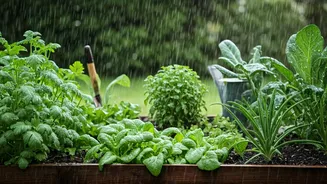
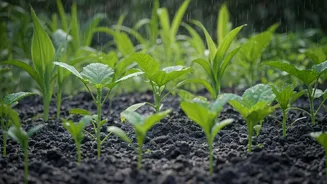
Many budding gardeners believe the rainy season is a time to pack things up, fearing waterlogged pots and pests. The reality is quite the opposite. The monsoon provides a natural irrigation system, saving you the daily chore of watering. The increased
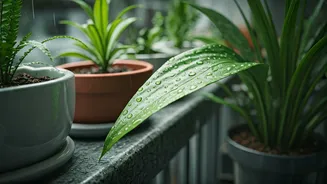
humidity creates a lush, greenhouse-like effect that many vegetables adore, encouraging faster growth and vibrant foliage. Cooler temperatures also reduce the stress on young plants, giving them a strong start. The key isn't to avoid the rain, but to learn how to manage it. By embracing the season, you can turn your small urban space into a productive and thriving green patch.
The Easiest Veggies to Grow Now
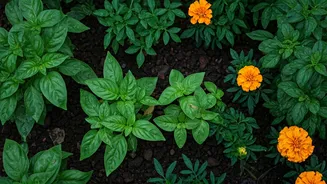
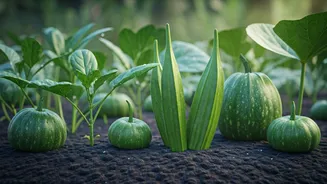
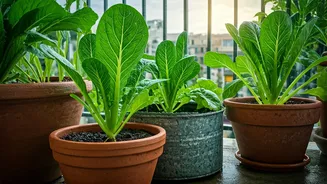
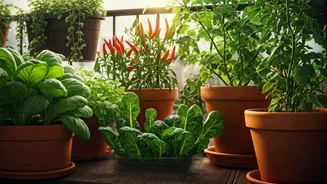
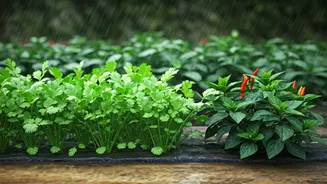
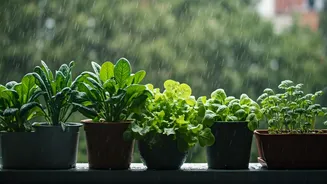
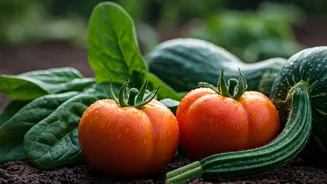
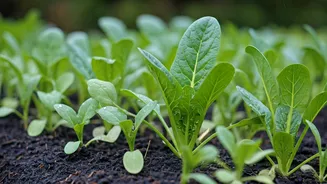
Not all vegetables are created equal when it comes to handling the Indian monsoon. The best bets for your balcony are those that thrive in moist conditions and grow relatively quickly. Leafy greens are a top choice; varieties like spinach (palak), amaranth (chaulai), and Malabar spinach are incredibly rewarding. Vining plants also do exceptionally well. Consider planting bottle gourd (lauki), ridge gourd (tori), or cucumber in large containers and providing them with a trellis to climb. Don't forget the staples! Okra (bhindi) and chillies are hardy plants that produce consistently through the season. And for fresh flavour, herbs like mint and coriander are practically foolproof.
Setting Up for Success: Pots and Soil
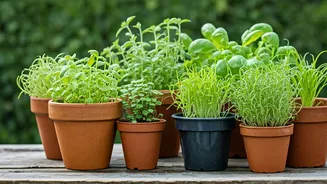
The foundation of a successful balcony garden lies in your containers and soil. During the monsoon, one word is paramount: drainage. Ensure every pot, whether terracotta, plastic, or a grow bag, has multiple drainage holes at the bottom. If it doesn’t, drill some yourself. Stagnant water is the number one enemy, leading to root rot. For your potting mix, avoid using heavy, dense garden soil alone. A light, airy mixture is ideal. A proven recipe is one part soil, one part compost (like vermicompost), and one part cocopeat. Cocopeat is brilliant because it retains moisture without becoming waterlogged, promoting healthy root development.
The Golden Rule: Managing Water
While the rain is a blessing, too much of a good thing can be a problem. Your main job during the monsoon is to play traffic cop for water. First, elevate your pots. Placing them on pot stands or even a few bricks allows excess water to drain away freely and improves air circulation. On days with exceptionally heavy downpours, you might consider moving smaller, more delicate pots to a more sheltered part of your balcony. Check the soil daily. Just because it's raining doesn't mean your soil is wet, especially if your balcony is covered. Stick your finger an inch into the soil; if it feels dry, give it a little water.
Keeping Pests and Diseases at Bay
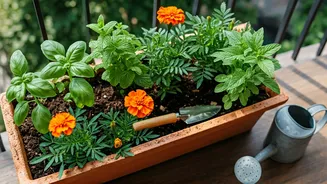
Humidity and dampness invite unwelcome guests. Slugs and snails are common during the monsoon, as are fungal diseases like powdery mildew. But don't reach for harsh chemicals. Proactive, organic management is simple and effective. Regularly inspect the undersides of leaves for pests. A simple, homemade spray of neem oil mixed with a few drops of liquid soap and water is a powerful, all-purpose solution that deters most pests and helps manage fungal growth. Apply it once a week as a preventative measure. Also, ensure there is enough space between your pots for air to circulate, which is one of the best defences against fungal issues.