



The New Dinner Bell Rings After Dark
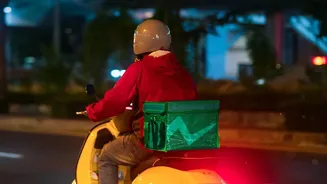
Not long ago, kitchens in most Indian cities would go quiet after 10 PM. Today, they are buzzing well past midnight. Food delivery platforms report that the window between 11 PM and 3 AM is a significant and rapidly growing segment. Over the past year,
late-night delivery volumes have doubled, with some reports noting that these orders are growing nearly three times faster than traditional dinner orders. This isn't just a trend confined to metros like Bengaluru, Hyderabad, and Mumbai, which lead the charge. Emerging cities such as Surat, Thiruvananthapuram, and Patna are also seeing a notable surge in after-dark appetite, indicating a widespread cultural shift. The traditional 9 PM family dinner is being replaced by meals consumed much later, sometimes as late as 2 or 3 AM, driven primarily by younger consumers with different daily rhythms.
What's Driving the Midnight Hunger?
Several factors are converging to make the 'fourth meal' a new staple. Urbanisation, longer working hours, and the rise of the gig economy mean many people's days don't end at sunset. For young professionals in the tech and service industries, flexible or late-night work schedules are common. Add to this the growing population of students living away from home and the convenience of 24/7 delivery infrastructure, and the stage is set. Food delivery apps have capitalised on this, creating dedicated 'late-night cravings' sections and pushing notifications after 10 PM. This has normalised what was once a rare indulgence, turning it into a routine way to decompress after a long day, catch up on streaming shows, or simply satisfy a craving for a small, affordable treat.
The Late-Night Menu: Comfort and Cravings
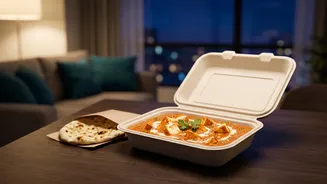
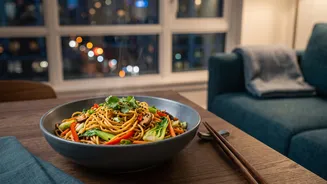
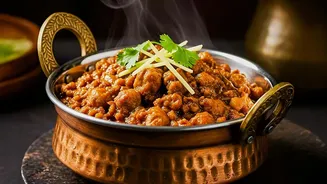
So, what are Indians ordering in the dead of night? Comfort and indulgence are key themes. Chicken burgers and biryani consistently rank as top choices for meals ordered between midnight and 2 AM. Pizza is another favourite that dominates the late-night slot. However, it's not just about full meals. Desserts have become a massive category, with items like choco-lava cake and ice cream seeing huge demand. Snacks are also hugely popular, with chicken rolls and momos being ordered millions of times. This mix of hearty meals and sweet treats shows that late-night orders serve multiple purposes—from a delayed dinner to a self-rewarding snack. While familiar comfort foods reign supreme, there's also a growing trend of experimentation, with consumers trying a wider variety of cuisines than ever before.
A Mirror to the 24/7 City
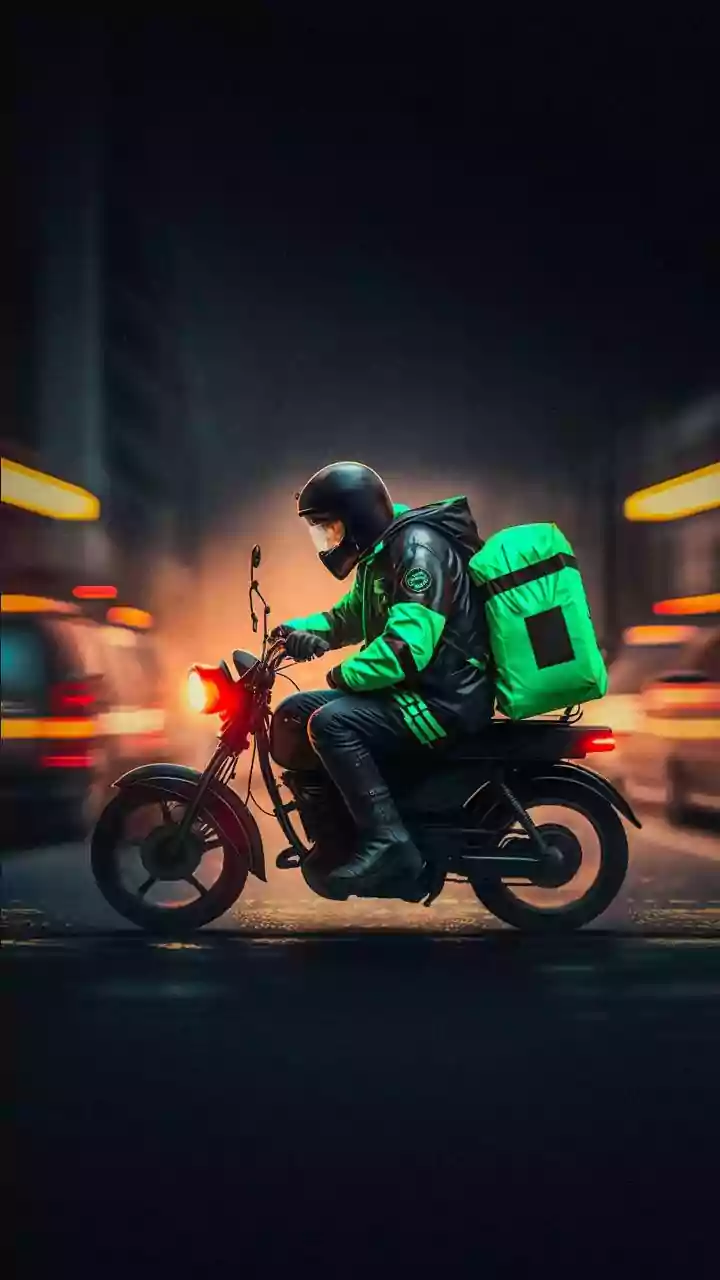
Ultimately, the rise of late-night food orders is a clear reflection of a new urban reality. Indian cities are increasingly operating on a 24/7 clock, mirroring global economic and cultural trends. The quiet, residential night is being replaced by a more active, consumption-driven one. This shift is enabled by a vast network of cloud kitchens, delivery riders, and restaurants extending their hours. While this brings convenience to the consumer, it also highlights the logistical challenges of a round-the-clock economy, including rider availability and operational constraints. The simple act of ordering food after midnight is, therefore, not just about eating habits. It's an indicator of evolving work-life patterns, changing social structures, and the relentless pace of modern city life in India.