







Assess Conditions Before You Start
Before you lace up, take a moment to check your environment. Post-monsoon weather can be unpredictable. Check the forecast for lingering showers or high humidity, which can make exercise feel much harder and increase the risk of dehydration. Your body's
ability to cool itself by evaporating sweat is less effective in humid air, raising your core temperature faster. Also, inspect your usual route. Pavements and park trails may be slippery, muddy, or damaged. Avoid areas with stagnant water, as they can be breeding grounds for mosquitoes that transmit diseases like dengue and malaria, which see a spike during this season. Choosing a safe, clear path is the first step to an injury-free workout.
Dress for Humid Success
The right clothing is crucial for comfort and safety in post-monsoon humidity. Ditch heavy cotton, which traps moisture and becomes heavy and uncomfortable. Instead, opt for lightweight, loose-fitting clothes made from moisture-wicking fabrics like polyester or nylon. These materials pull sweat away from your skin, allowing it to evaporate more easily and keeping you cooler. Light-coloured clothing is also a smart choice for outdoor workouts as it absorbs less heat. Most importantly, pay attention to your footwear. After the rains, surfaces can be treacherous. Wear shoes with a good grip to prevent slips and falls on wet or muddy ground.
Ease Back Into Your Routine
If you've taken a break from your usual intensity during the monsoon, it's vital to return gradually. Jumping back in where you left off is a common mistake that can lead to injury or burnout. Start with shorter workouts at a lower intensity. For instance, if you're a runner, begin with run-walk intervals, such as one minute of running followed by a minute of walking. Plan to take about the same amount of time to rebuild your fitness as the length of your break. A proper warm-up and cool-down are non-negotiable. Begin with five to ten minutes of dynamic stretches like arm circles and leg swings, and end your workout with a light walk and static stretching to help your heart rate return to normal.
Smart and Safe Outdoor Workouts
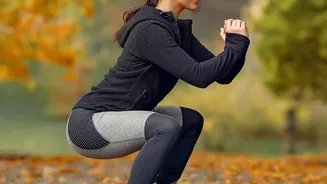
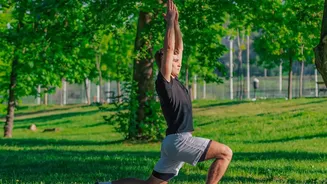
The outdoors is your gym, and plenty of effective workouts require minimal to no equipment. Brisk walking is an excellent and accessible starting point. Once you feel more comfortable, you can progress to jogging. Parks offer great opportunities for a full-body workout. Use a stable bench for push-ups, tricep dips, and step-ups. A simple bodyweight circuit can be highly effective: try sets of squats, walking lunges, high knees, and planks. High-Intensity Interval Training (HIIT), which involves short bursts of intense exercise followed by brief rest periods, is another fantastic option for improving cardiovascular fitness. Even simple activities like skipping or finding a set of stairs for climbing can provide a powerful workout.
Stay Hydrated and Healthy
Don't let the cooler temperatures fool you; hydration is just as important in the humid post-monsoon weather as it is in peak summer. High humidity can make you sweat more, leading to faster fluid and electrolyte loss. Make it a habit to drink water throughout the day, not just during your workout. Carry a water bottle with you and sip frequently. Post-workout, continue to rehydrate to replenish what you've lost. Besides hydration, personal hygiene is also key. The damp, warm environment is ideal for fungal and bacterial growth. Make sure to shower soon after your workout, change out of damp clothes immediately, and ensure your shoes are completely dry before you wear them again to prevent infections.