




Understanding the Glycemic Index
The Glycemic Index, or GI, is a scale from 0 to 100 that ranks carbohydrate-containing foods by how quickly they raise blood sugar levels after being eaten. Foods with a high GI (70 or more) are digested rapidly, causing a sharp spike and subsequent crash
in blood glucose. In contrast, low-GI foods (55 or less) are digested slowly, leading to a gradual, steady release of energy. For anyone managing health, but especially for those with diabetes or insulin resistance, choosing low-GI foods is a powerful strategy for better blood sugar control, sustained energy, and improved overall health.
The Usual Suspects: Rice and Wheat
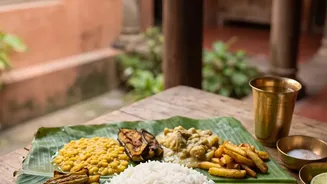
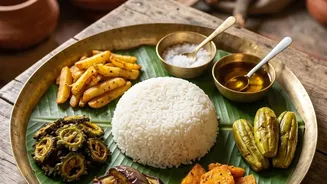
The two grains that dominate modern Indian plates are polished white rice and refined wheat. Unfortunately, both tend to have a high glycemic index. Polished white rice, a staple in countless meals, has a GI that can range from 70 to over 80. Similarly, refined wheat flour (maida), used in everything from naan to biscuits, also causes a rapid rise in blood sugar. While whole wheat chapati has a more moderate GI (around 62), our heavy reliance on these refined staples contributes significantly to the high glycemic load of our daily diet.
The Heroes: Welcoming Millets Back
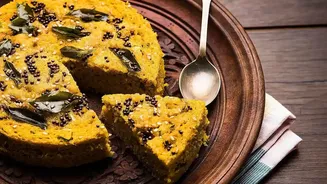
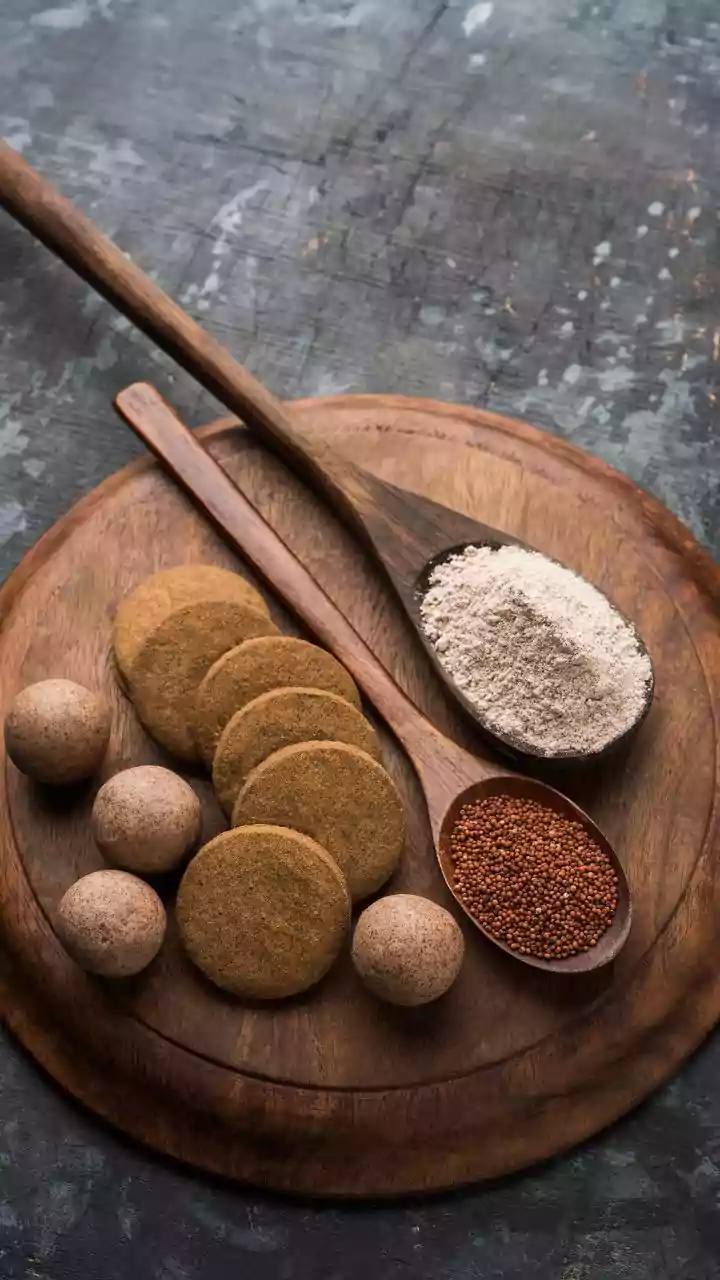
Before rice and wheat became ubiquitous, Indian diets were rich in a diverse group of ancient grains known as millets. Now, science is confirming the wisdom of our ancestors. Millets like Ragi (Finger Millet), Jowar (Sorghum), and Bajra (Pearl Millet) are nutritional powerhouses with a significantly lower GI than polished rice. For instance, Bajra has a low GI of around 54, while Ragi and Jowar fall into the low-to-medium GI category. These grains are also packed with dietary fibre, which slows down digestion and glucose absorption, and are rich in essential minerals like magnesium and iron that support insulin sensitivity and overall health.
Simple Swaps for Everyday Meals
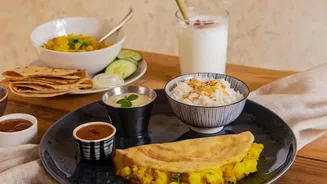
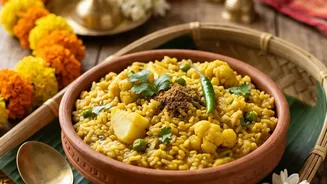
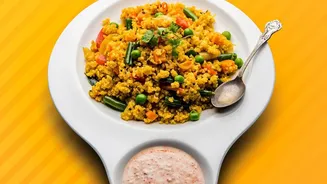
Integrating low-GI grains doesn't require a complete dietary overhaul. It's about making small, sustainable changes. Start by replacing one meal's worth of white rice with a millet. You can cook millets like Foxtail or Barnyard millet just as you would rice. Another easy entry point is to blend millet flour with your regular whole wheat atta. Begin with an 80:20 ratio of atta to millet flour (like Jowar or Ragi) and gradually increase the proportion. For breakfast, consider swapping semolina-based upma for one made with Foxtail Millet or trying a traditional Ragi porridge. Even making dosa batter with a portion of millet instead of all rice can lower a meal's GI.
Beyond Grains: The Power of Pairing
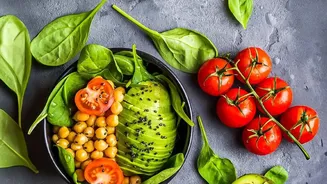
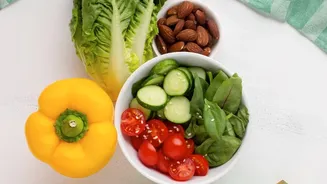
Improving your plate's glycemic index isn't just about which grain you choose; it's also about what you eat with it. The GI of a food is not fixed and can be influenced by the other components of a meal. Pairing your carbohydrate source with fibre-rich vegetables (sabzi, salads) and protein (dal, legumes, paneer, eggs) can significantly slow down the release of sugar into the bloodstream. Legumes like chana dal and rajma have an exceptionally low GI. By ensuring your meal is balanced, you effectively lower its overall glycemic impact, promoting better health without sacrificing flavour or tradition.