

From Backyard Waste to Kitchen Gold
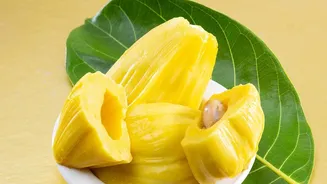
For generations, jackfruit seeds have been a modest part of Indian cuisine, often roasted or boiled and eaten as a simple snack. Traditionally viewed as an agricultural byproduct, these seeds, which constitute up to 15% of the fruit's weight, were frequently
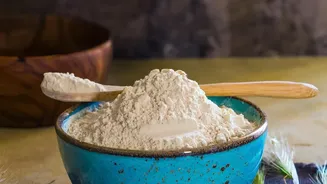
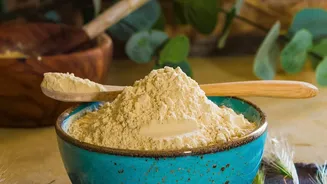
discarded during processing. However, a shift towards sustainability and rediscovering traditional ingredients has put these seeds in a new light. Food technology is now championing the transformation of this humble seed into a fine, versatile flour. The process involves cleaning, drying (often by roasting, which enhances nutritional value), and milling the seeds into a powder with a mild, nutty flavour. This innovation not only reduces food waste but also creates a value-added product from a resource that was previously undervalued.
A Nutritional Powerhouse
The excitement around jackfruit seed flour is largely due to its impressive nutritional profile. It is a significant source of plant-based protein, with studies noting protein content between 10% to as high as 17%, which is considerably more than many common gluten-free flours like rice or tapioca flour. Beyond protein, the flour is rich in complex carbohydrates, dietary fibre, and resistant starch, which aid in digestion and promote satiety. It's also packed with essential micronutrients, including potassium, magnesium, iron, and B-complex vitamins like thiamin and riboflavin, which are crucial for energy metabolism. This nutrient density makes it more than just a baking substitute; it's a functional food that can enhance the nutritional value of everyday meals.
The Gluten-Free Solution We Already Had
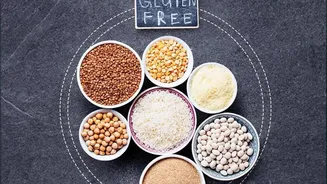
The demand for gluten-free products in India is on the rise, driven by both medical needs like celiac disease and lifestyle choices. Jackfruit seed flour is a naturally gluten-free, grain-free, and nut-free option, making it an excellent and safe alternative for those with dietary restrictions. Unlike some gluten-free alternatives that can be dry or crumbly, jackfruit seed flour has good water and oil absorption properties, which helps retain moisture and create a better texture in baked goods. Its functional properties allow it to be used for making everything from rotis and dosas to pancakes, muffins, and even as a thickener for soups and stews, often without the need for complex flour blends.
Why Food Tech is So Interested
The food technology industry sees jackfruit seed flour as a trifecta of innovation: it's sustainable, nutritious, and highly functional. The concept of upcycling—transforming byproducts or waste into new, valuable materials—is a major driver. Companies and researchers are excited by its potential to improve the nutritional content of processed foods. Studies have shown that incorporating jackfruit seed flour into products like bread, cookies, and pasta can significantly boost their protein and fibre content. For instance, research suggests that bread can be fortified with 5-25% jackfruit flour, and biscuits with up to 40%, enhancing their nutritional profile without compromising sensory qualities significantly. This makes it an ideal ingredient for creating healthier, functional foods that cater to a health-conscious market.
Challenges on the Road to Mainstream
Despite its immense potential, jackfruit seed flour faces some hurdles. One of the main challenges is scaling production to meet potential demand, which involves overcoming issues with the perishable nature of the fresh seeds and developing efficient processing infrastructure. Consumer awareness is still limited, and it has to compete with other well-established gluten-free flours on the market. Furthermore, while it enhances nutrition, adding high concentrations of the flour to certain products like bread can affect texture due to the absence of gluten, requiring formulation adjustments. However, as technology improves and consumer interest in sustainable and healthy eating grows, this homegrown ingredient is well-positioned for a bright future.