



Beyond the Supermarket Jar
For years, the breakfast spread in many Indian city homes was predictable. A jar of mass-produced mixed fruit jam, bright with artificial colours and heavy with sugar, was a staple. It was convenient, quick, and did the job. But a subtle shift is underway.
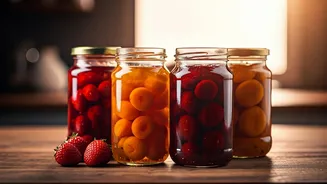
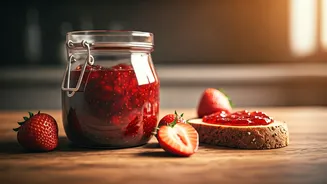
An increasing number of urban dwellers are looking past the uniform sweetness of factory-made spreads and seeking something more authentic. They are either making their own fruit preserves or buying from small, artisanal brands that prioritise quality over quantity. This isn't just about jam; it's about upgrading a daily ritual. The 'slow churned' process signifies care, attention, and a connection to the ingredients, a stark contrast to the impersonal nature of products rolling off an assembly line.
The Quest for Cleaner Eating
One of the biggest drivers of this trend is health. As awareness about wellness and clean eating grows, people are becoming more scrupulous about what they consume. Commercial jams and jellies are often laden with high-fructose corn syrup, preservatives, and artificial flavouring agents. The ingredient list can be long and full of unpronounceable chemicals. Homemade or artisanal preserves offer a transparent alternative. The recipe is simple: fresh, seasonal fruit, a significantly lower amount of sugar (or natural sweeteners like jaggery or honey), and perhaps a squeeze of lemon juice as a natural preservative. This control over ingredients means a healthier, more nutrient-rich product that celebrates the natural taste of the fruit, from Alphonso mangoes in the summer to strawberries and plums in the winter.
A Slow Antidote to a Fast Life
Living in a bustling Indian metropolis is synonymous with a fast-paced, high-stress lifestyle. The appeal of 'slow food' movements lies in their power to act as an antidote. The act of making a preserve—carefully selecting the fruit, chopping it, and gently cooking it down until it reaches the perfect consistency—is a meditative process. It demands patience and forces one to slow down. It’s a small, tangible act of creation in a world dominated by digital consumption. For those who don't have the time to make it themselves, buying from a local creator provides a similar sense of connection. You’re not just buying a product; you’re supporting a craft and bringing a piece of that slowness and intention into your own home.
Nostalgia in a Bottle
The practice of preserving fruits and vegetables is deeply woven into the fabric of Indian culinary tradition. Many have fond memories of grandmothers and mothers spending days making pickles (achaar), sun-drying mangoes (aam papad), or preparing sweet fruit preserves (murabba). This new trend is, in many ways, a modern revival of that tradition. It’s a way for a generation that grew up in cities to reconnect with their roots and the culinary wisdom of their elders. Instead of just amla or mango murabba, the modern pantry might feature strawberry-balsamic preserves, fig and almond conserves, or spicy pineapple chutney. It’s a nod to the past, updated for the contemporary palate.
Getting Started With Your Own Spread
Embracing this trend doesn't require being a master chef. The beauty of making preserves lies in its simplicity. The key is to start with high-quality, seasonal produce; the better the fruit, the better the final product. Farmers' markets are a great source. You can control the sweetness completely, opting for far less sugar than commercial versions. Sterilising your glass jars is a crucial step to ensure your preserves last longer without chemical additives. The internet is filled with simple, tested recipes for everything from basic mango jam to more adventurous combinations like plum and star anise. It’s a small effort for a reward that elevates your breakfast from a rushed necessity to a moment of genuine pleasure.