




The Robotic Vanguard
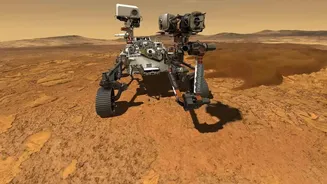
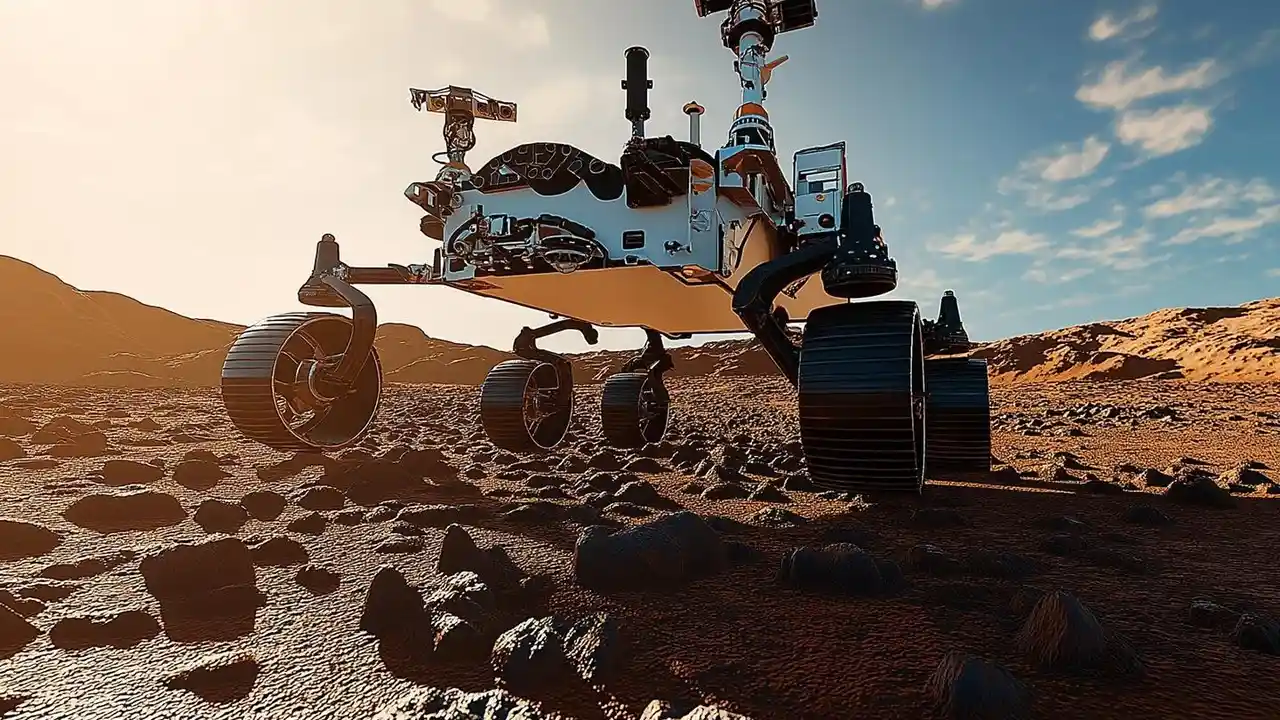
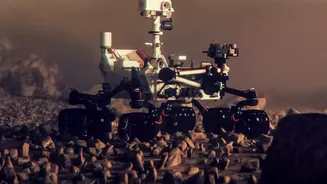
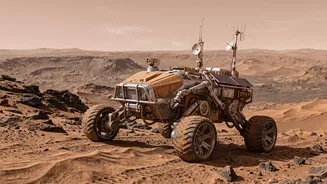
For decades, robots have been our eyes, hands, and scientific instruments on the Red Planet. From the car-sized Curiosity and Perseverance rovers to stationary landers like InSight, these machines are our tireless explorers. They endure extreme temperatures,
radiation, and a harsh environment that would be lethal to an unprotected human. These robotic geologists analyse soil, drill into rocks, and study the thin Martian atmosphere, providing a continuous stream of data that helps scientists on Earth understand the planet's history. The Perseverance rover, for example, is equipped with advanced instruments to search for signs of ancient microbial life and is the first step in the ambitious Mars Sample Return campaign, a joint effort with the European Space Agency (ESA) to bring Martian rocks back to Earth for the first time.
Testing Tomorrow's Technology
Robotic missions do more than just send back pretty pictures; they are crucial testbeds for the technologies future human crews will depend on for survival. A prime example is the Mars Oxygen In-Situ Resource Utilization Experiment, or MOXIE. This instrument aboard the Perseverance rover has successfully demonstrated that it can produce oxygen from the carbon-dioxide-rich Martian atmosphere. This capability is vital for future missions, as it could provide breathable air for astronauts and a key component for rocket propellant needed for the return journey. Similarly, autonomous navigation systems honed by rovers are paving the way for the AI that will allow future human vehicles to operate safely and efficiently with minimal input from their occupants.
The Irreplaceable Human Element
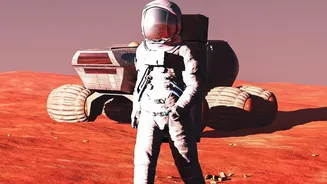
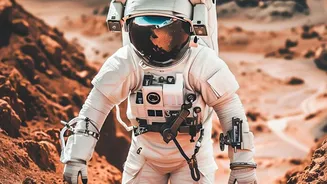
Despite their resilience, robots have significant limitations. They are slow; the Curiosity rover moves at a top speed of just 0.14 km/h. A task that would take a human geologist with a shovel minutes to complete—like digging a small trench—can take a robotic arm months of painstaking effort. Humans possess an unparalleled ability for intuition, on-the-spot problem-solving, and adaptability. An astronaut can notice something unexpected, deviate from the plan, and make a discovery a robot might be programmed to overlook. While sending humans is vastly more expensive and complex due to the need for life support, radiation shielding, and a return vehicle, their efficiency and cognitive abilities on the ground are unmatched.
A Partnership for the Red Planet
The modern strategy for Mars exploration frames the relationship not as 'robots versus humans', but as a powerful collaboration. The consensus among space agencies like NASA is that robust robotic exploration is a necessary precursor to any crewed mission. Robots are the scouts sent ahead to do the dangerous and repetitive work. Future plans envision sending autonomous machines to prepare a landing site, deploy habitats, set up power systems, and even begin extracting resources like water ice before the first astronauts even leave Earth. This approach significantly reduces the risk to human life and ensures that when astronauts arrive, they can focus on high-level scientific research rather than basic setup and survival tasks.