

Find a Common Colour Story
The fastest way to create harmony between a vintage teak cabinet and a modern, minimalist sofa is through colour. This doesn't mean everything has to be beige. Instead, pick a cohesive colour palette of three to five shades and repeat them across the room.
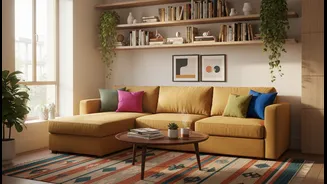
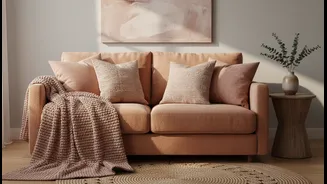
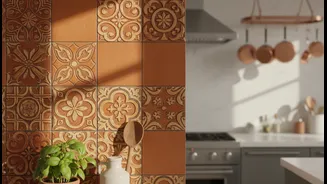
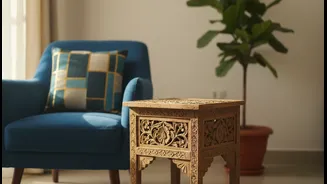
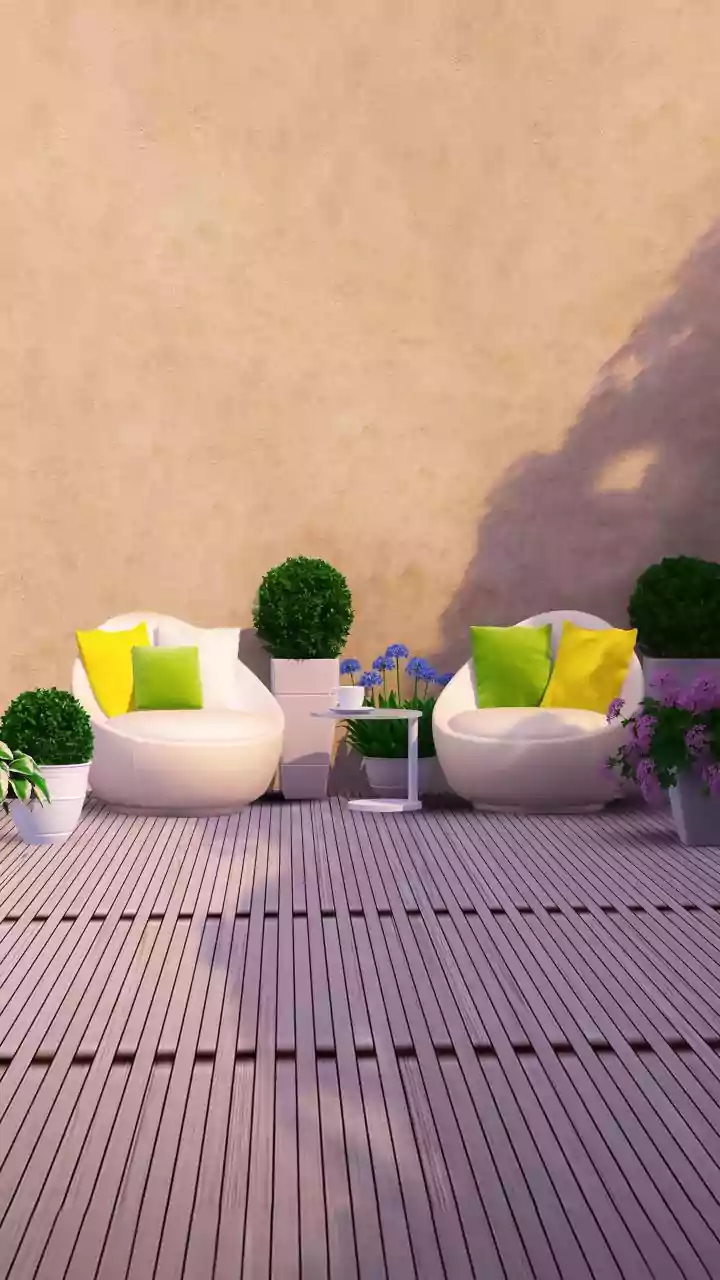
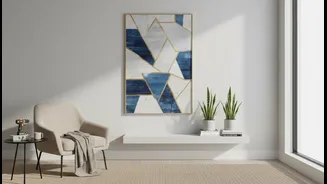
Let the dark brown of your old wood be one anchor. Now, pull a secondary colour from a new piece of art or a rug and use it for your new upholstery. A splash of a third, brighter accent colour on cushions, lamps, or vases can then tie both the old and new elements together, making the combination feel intentional. This creates a visual thread that guides the eye around the room, making it feel unified rather than chaotic.
Modernise and Unify with Upholstery
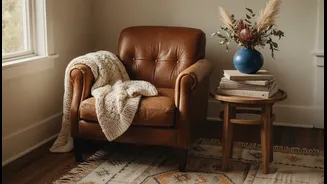
Upholstery is your secret weapon. An old, forgotten chair can be completely reborn with a bold, contemporary fabric. This is where you bridge the gap between styles. Have a set of traditional wooden dining chairs? Reupholster the seats in a modern geometric print. That inherited sofa with a dated floral pattern can be transformed with a solid, textured fabric like a durable cotton blend or microfiber, which are excellent choices for Indian homes. These fabrics are not only stylish but are also breathable and relatively easy to maintain in our climate. Using a single, new fabric on different pieces of old furniture can instantly create a matching set out of mismatched items.
Let Texture Do the Talking
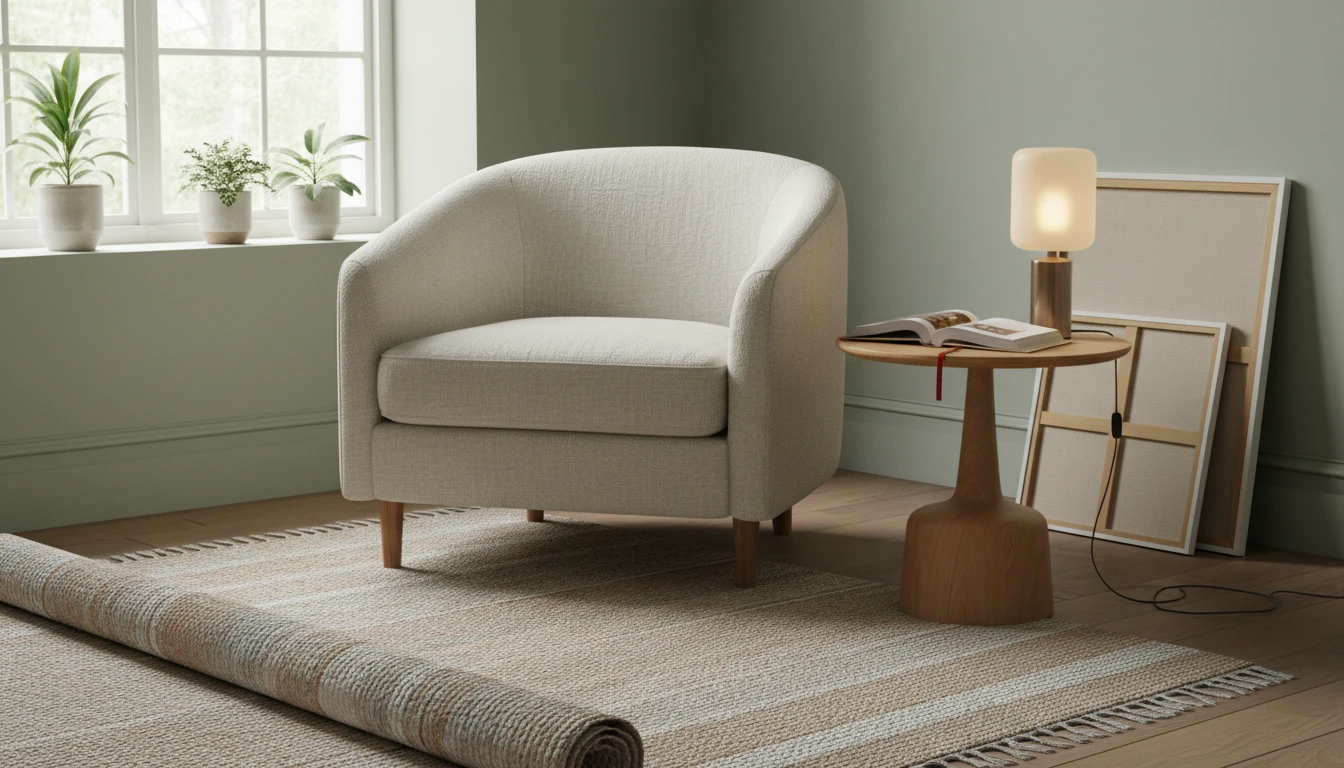
A room with only smooth, flat surfaces can feel cold and uninviting. The beauty of mixing old wood and new fabric lies in the textural contrast. The natural grain and patina of old wood are textures in themselves. Pair this with a variety of new textures: a plush velvet cushion, a chunky knit throw, a smooth linen curtain, or a rugged jute rug. This layering of textures adds warmth, depth, and character, making the space feel curated and cozy. In a small flat, a large rug in a light or neutral shade can also create the illusion of more space while anchoring your furniture arrangement.
Play with Scale and Profile
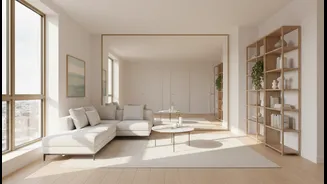
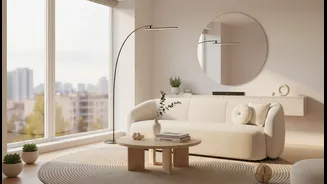
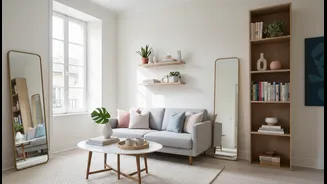
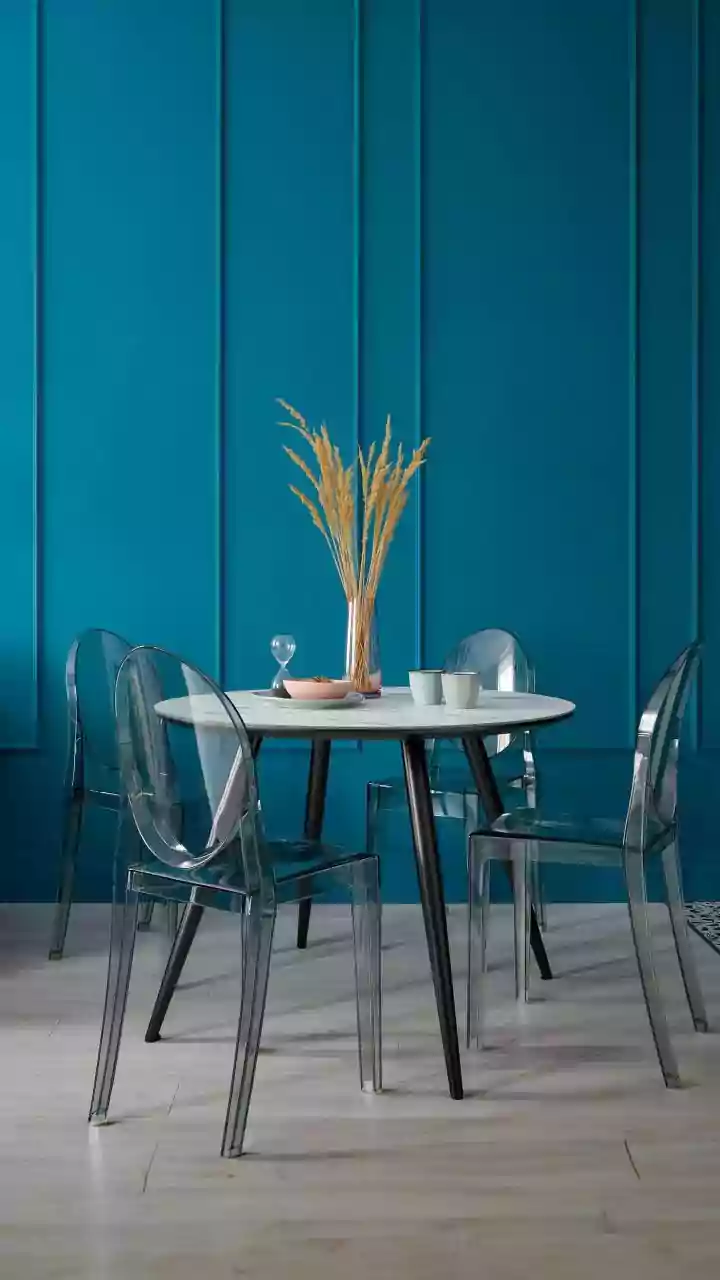
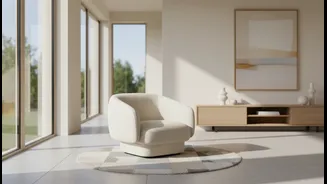
In a small Indian flat, floor space is gold. Heavy, dark furniture can easily overwhelm a room. To counteract this, choose modern pieces with a lighter visual profile. Think sofas with slim legs, coffee tables with glass tops, or open-backed bookshelves. This allows you to see more of the floor, which instantly makes a room feel larger. When you place a delicate, leggy side table next to a solid, antique chest, the contrast highlights the unique character of both pieces. The old piece provides history and grounding, while the new one brings in light and airiness, creating a perfectly balanced composition.
Strategic Lighting is Everything
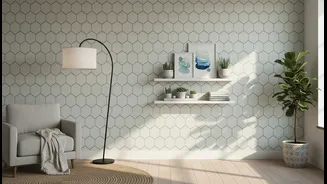
Good lighting can make or break a small space, especially one with dark furniture. A single, harsh overhead light will cast unflattering shadows and make the room feel smaller. Instead, use layered lighting: a main ceiling light, a floor lamp for reading, and a smaller table lamp to create a warm glow. Use lighting to highlight your favourite pieces. A spotlight directed at a piece of art hanging above an antique console, or a beautiful lamp placed on the console itself, draws attention and creates a focal point. Warm white bulbs (around 2700K-3000K) are particularly effective at making a room with dark wood feel inviting rather than oppressive.