


Why Your Grocery Bill is Sizzling
The rising cost of cooking oil isn't just your imagination; it's a complex global and local issue. India imports nearly two-thirds of its edible oil, making domestic prices highly sensitive to international events. A major factor is the growing diversion
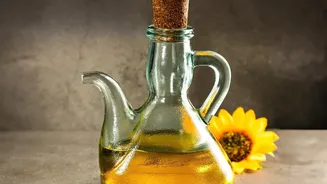
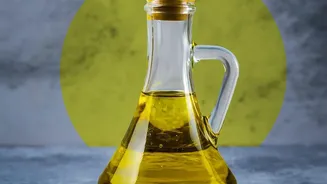
of palm and soybean oil towards biofuel production in countries like Indonesia and Malaysia, which are major suppliers to India. When these nations use more oil for fuel, less is available for export as food, tightening supply. Furthermore, geopolitical conflicts, such as the crisis in West Asia, drive up crude oil and shipping costs, adding to the landed price of every container of oil. Back home, a weaker monsoon season has affected domestic oilseed crops like soybean and groundnut, adding another layer of price pressure. Even government interventions, like adjusting import duties to protect farmers or ease prices for consumers, have a complex and often delayed effect on what you pay at the local store.
The Ripple Effect in the Kitchen
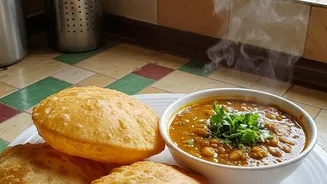
This price pressure is changing habits in households across the country. For many, the most immediate change is simply using less oil. Deep-fried snacks like samosas and pakoras, once a daily or weekly treat, are becoming a more occasional indulgence. Families are also becoming more strategic in their purchases, actively hunting for offers and sometimes switching from premium oils like sunflower or groundnut to more affordable options like palm oil or locally produced mustard oil. This shift is part of a broader trend of kitchen resourcefulness, where cooks are making every drop count. One-pot meals, which are often more economical in their use of both oil and cooking gas, are gaining popularity. The pressure cooker, a long-standing hero of the Indian kitchen, is being used even more to save on expensive LPG. These aren't just budgetary decisions; they are subtle but significant shifts in India's culinary landscape.
Cooking Smarter: Flavour Without the Fat
The good news is that reducing oil doesn't have to mean sacrificing flavour. In fact, many home cooks are discovering that taste comes more from technique and spices than from the quantity of fat in the pan. One effective method is 'water sautéing', where onions, ginger, and garlic are softened with small splashes of water instead of oil. This creates a flavourful base for any curry without adding fat. Another powerful technique is dry-roasting whole spices like cumin, coriander, and mustard seeds in a hot pan before use. This simple step intensifies their aroma and essential oils, meaning you need less fat to carry their flavour through the dish. For dishes that traditionally require more oil, alternative cooking methods are coming to the rescue. Baking, steaming, or using an air fryer can achieve results similar to frying with a fraction of the oil. Even classic recipes can be adapted; a rajma masala or dal can be made with a minimal 'tadka' by using a non-stick pan and a small amount of water to pop the mustard seeds.
A Healthier Plate by Necessity
While driven by economic pressure, this shift towards lower-oil cooking could have an unintended positive side effect: better health. Indian diets are often heavier in fat than recommended, and reducing daily oil intake can contribute to better cardiovascular health and weight management over time. This forced adaptation is encouraging a mindful approach to cooking, where every ingredient is chosen with more care. By focusing on steaming vegetables, pressure-cooking lentils, and baking instead of frying, households are inadvertently aligning with long-standing health advice. While no one welcomes higher prices, this period may serve as a catalyst for families to explore a wider range of cooking techniques that are not only lighter on the wallet but also lighter on the body. The challenge of a tighter budget is becoming an opportunity to rediscover that the soul of Indian food lies in its spices and aromatics, not in an excess of oil.