






Every December, the hills of Nagaland come alive with the sound of log drums and celebration. The Hornbill Festival is a vibrant spectacle of culture, and at its heart are two things: food and music. Here is what you need to know.
The Festival at a Glance
Often called the 'Festival
of Festivals', the Hornbill Festival is Nagaland's largest annual cultural event, created to showcase the rich heritage of its diverse tribes. For ten days, from December 1 to 10, the Naga Heritage Village at Kisama, about 12 kilometres from Kohima, becomes the epicentre of Naga tradition. This purpose-built village features morungs, or traditional tribal dormitories, for each of Nagaland's major tribes, allowing visitors to experience the state's entire cultural landscape in one place. The 2026 edition, running from December 1st to the 10th, continues this tradition, offering a gateway into the soul of Naga life.
A Culinary Tour Through the Morungs
The true foodie adventure at Hornbill happens inside the tribal morungs, where each community runs its own kitchen. This is your chance to sample authentic Naga cuisine that differs from one stall to the next. A must-try is smoked pork, prepared in various ways: with fermented bamboo shoot for a tangy flavour or with 'axone' (fermented soybean) for a pungent, deeply savoury taste. For the more adventurous, there are dishes featuring silkworm larvae and hornet grubs. Other staples include 'Galho', a comforting rice porridge similar to khichdi, often cooked with smoked meat and local greens. To navigate this feast, it's best to graze, trying small plates from several morungs instead of having one large meal.
What to Drink and Where to Find It
No culinary experience at Hornbill is complete without sampling 'Zutho', the traditional Naga rice beer. This mildly sour, fermented drink is served widely across the festival, often in bamboo mugs, and is considered an essential part of the social fabric. You can find it and other rice or millet beers being poured directly at morungs like those of the Angami and Chakhesang tribes. While Nagaland is officially a dry state, these traditional beverages are a core part of the festival experience. For non-alcoholic options and to stay hydrated, bottled water is readily available, but it is wise to carry your own bottle to refill.
Vegetarian and Less Spicy Options
While Naga cuisine is famously meat_centric, vegetarian visitors will not go hungry. Look for vegetable 'Galho', the meat_free version of the rice porridge, or simple but fresh boiled seasonal vegetables. Many stalls also prepare dishes with fermented bamboo shoots or even axone paired with vegetables instead of meat, allowing you to experience signature Naga flavours. When it comes to spice, be mindful of the legendary 'Raja Mircha' or King Chilli. It's used widely in chutneys and pickles, and while it adds incredible flavour, it packs a serious punch. If you're unsure, it's always best to ask before you taste.
The Sounds of Hornbill: From Folk to Rock
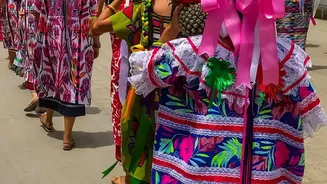
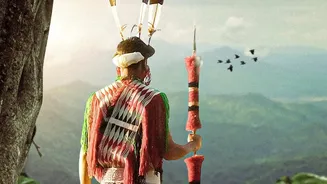
Music is the festival's constant soundtrack. During the day, the main performance arena at Kisama hosts a rolling programme of traditional music and dance. From 10 a.m. to around 3:30 p.m., you can witness war dances, harvest songs, and polyphonic folk singing as different tribes take the stage in full ceremonial attire. The air fills with the sound of battle cries and the rhythmic thumping of log drums. In the evenings, the focus shifts from traditional to contemporary. The action often moves to Kohima town, which hosts the Hornbill Music Festival and a rock contest, drawing bands from across the country. These concerts, along with the bustling Kohima Night Bazaar, keep the festive energy going long after the sun sets on Kisama.