




The Goodness of Finger Millet
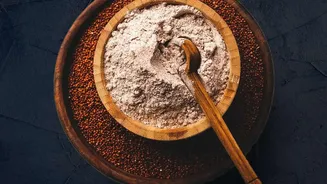
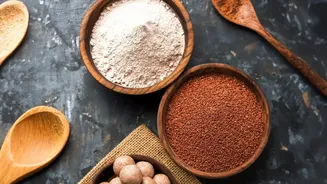
Ragi, also known as finger millet or nachni, has been a staple in Indian households for centuries, and for good reason. This humble grain is a nutritional powerhouse, making it an excellent addition to any diet. Naturally gluten-free, ragi is a fantastic
option for those with gluten sensitivities or celiac disease. It is celebrated for its high calcium content, which is essential for strong bones and teeth. In fact, ragi is one of the best plant-based sources of calcium available. Beyond that, it is rich in iron, which helps combat anaemia, and packed with dietary fibre. This high fibre content aids in digestion, helps you feel full for longer, and can support weight management. For those managing blood sugar levels, ragi's low glycemic index means it releases sugar into the bloodstream slowly, providing sustained energy without the spikes.
Ingredients for Your Crepes
This recipe is for an instant batter that doesn't require fermentation, making it perfect for a swift breakfast or a light dinner. To achieve a gluten-free crepe, we will omit semolina (sooji/rava), which is often used for crispiness in other recipes. Here’s what you’ll need: ½ cup Ragi Flour (Finger Millet Flour) ½ cup Rice Flour (for crispiness) 1 medium Onion, finely chopped 1-2 Green Chillies, finely chopped 1 teaspoon Ginger, grated A few Curry Leaves, finely chopped 2 tablespoons Coriander Leaves, finely chopped ½ teaspoon Salt (or to taste) 1½ to 2 cups Water Oil or ghee for cooking
Preparing the Perfect Batter
The key to a good ragi crepe, especially the instant variety, lies in the consistency of the batter. It should be thin and pourable, much like fresh milk or buttermilk. A thick batter will result in soft, pancake-like crepes, not the crispy, lacey texture we're aiming for. 1. In a large mixing bowl, combine the ragi flour, rice flour, and salt. Add about half the water and whisk thoroughly to create a smooth, lump-free paste. This initial step is crucial to avoid lumps later. 2. Once you have a smooth paste, add the chopped onion, green chillies, grated ginger, curry leaves, and coriander leaves. Stir everything together. 3. Gradually add the remaining water, whisking continuously until you achieve a very thin, runny consistency. 4. Let the batter rest for at least 15 to 30 minutes. This allows the flours to hydrate properly. You may notice the batter thickens slightly upon resting; simply add a little more water to thin it out again.
Cooking the Savoury Crepes
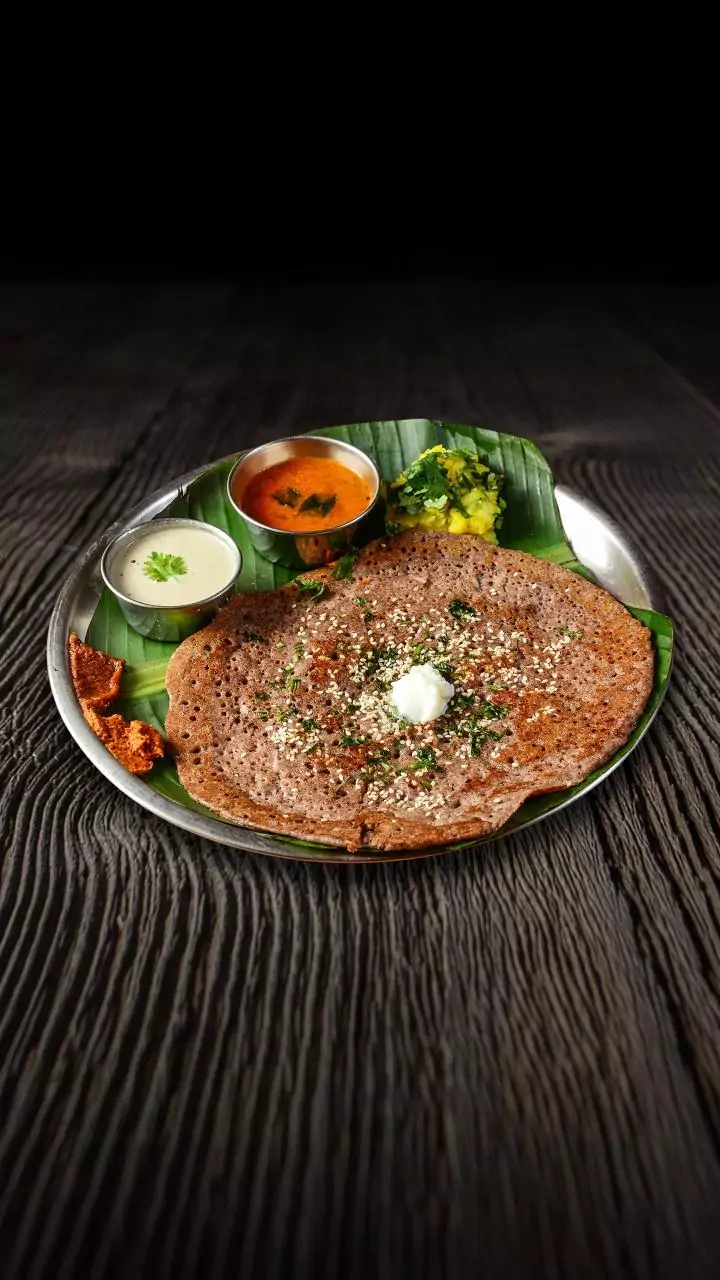
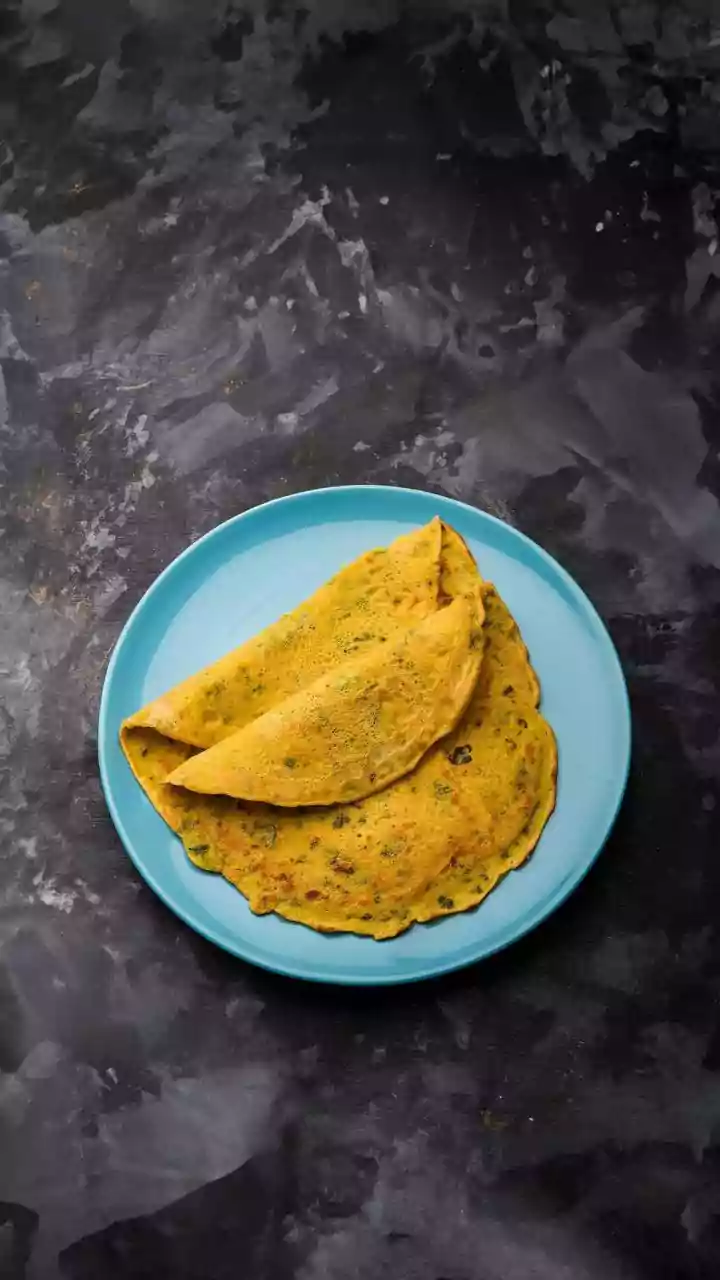
Cooking these crepes is different from making a traditional dosa. You don't spread the batter; you pour it. Heat your tawa or non-stick pan over a medium-high flame. It needs to be quite hot. You can test this by sprinkling a few drops of water; they should sizzle and evaporate immediately. Grease the pan lightly with oil or ghee. Stir the batter well before making each crepe, as the flours tend to settle at the bottom. Pour a ladleful of the batter from the outside of the pan towards the centre in a circular motion. You will see small holes forming as the batter hits the hot surface; this is what makes the crepe crispy. Fill any large gaps with a little more batter. Drizzle about half a teaspoon of oil or ghee around the edges and cook on a low to medium flame for 3-4 minutes, or until the edges become golden brown and start to lift from the pan. There's no need to flip it; the thin, lacy texture allows it to cook through. Once crisp, fold it over and serve immediately.
Pro Tips for Success
To ensure your ragi crepes turn out perfectly every time, keep these tips in mind. First, always stir the batter before pouring each crepe to ensure an even mix of flour and water. The pan must be sufficiently hot before you pour the batter, but the cooking should happen on a low to medium flame to allow it to become crisp without burning. If your crepes are sticking, it could be because the pan isn't hot enough or the batter is too thick. Feel free to experiment by adding other finely grated vegetables like carrots or cabbage to the batter for extra nutrition and flavour. These crepes are best enjoyed hot and fresh off the pan.