







The Global Oil Connection
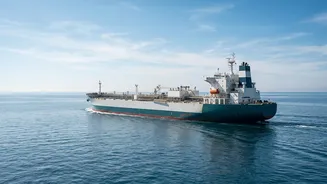
The journey of food from farm to fork is powered by fuel. When global crude oil prices rise, the most immediate impact is on transportation costs. Diesel, which powers the trucks that carry produce across the country, becomes more expensive. According
to transport associations, diesel can account for nearly 65% of a truck's operating cost, and these price hikes are directly passed on to businesses, and ultimately, to consumers. But the impact goes deeper. Crude oil is a key component in the production of fertilizers and pesticides. As oil prices climb, the cost of these essential agricultural inputs also rises, increasing the farmer's cost of production long before the harvest even begins. This double impact—on both farm inputs and transportation—creates a ripple effect that pushes up the final price of everything from grains to vegetables.
The Rupee's Role on Your Plate
The value of the Indian Rupee against the US Dollar might seem like a concern for financial markets, but it has a very real effect on your household budget, especially when it comes to imported goods. India is heavily dependent on imports for certain key commodities, most notably edible oils. The country imports more than half of its total edible oil consumption, including large quantities of palm, soybean, and sunflower oil. Since these international transactions are settled in US dollars, a weaker Rupee means India has to pay more for the same amount of oil. For example, if the Rupee weakens, the cost of a barrel of imported oil goes up in Rupee terms, even if its dollar price hasn't changed. This increased import cost is quickly passed down the supply chain, leading to higher retail prices for cooking oils, a staple in every Indian kitchen. The same logic applies to other imported items, from certain pulses to advanced agricultural machinery.
Supply Chain Shocks and Shortages
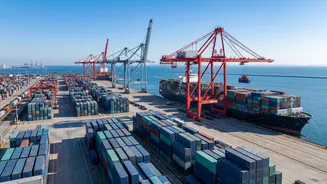
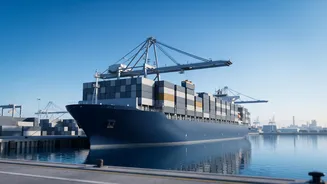
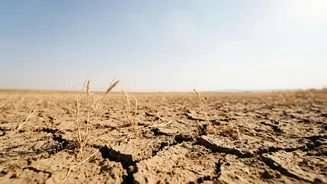
While global factors set the stage, local supply disruptions often deliver the biggest price shocks. These can come in many forms. Uneven monsoon rains, for instance, can drastically affect agricultural output in specific regions, leading to shortages of items like onions, ginger, and garlic, as seen in July 2026. Beyond weather, logistical bottlenecks in India's vast and often fragmented supply chain can cause delays and spoilage, reducing the amount of food that makes it to market and driving up costs. Government policies also play a crucial role. Decisions around export bans or allowances, like the recent lifting of the wheat export ban, can dramatically influence domestic availability and pricing. Furthermore, geopolitical events in other parts of the world, such as conflicts in West Asia or the Black Sea region, can disrupt shipping routes, increase insurance costs, and create global shortages of commodities like sunflower oil and fertilizers, the effects of which are felt directly in India.
A Tangled Web of Costs
These three factors—oil, the Rupee, and supply chains—don't operate in isolation. They often interact to compound the pressure on food prices. A geopolitical crisis, for example, can simultaneously cause crude oil prices to spike and disrupt the supply of a specific commodity like sunflower oil. This pushes up both transportation costs and the base price of the food item. If the Rupee weakens during the same period due to global economic uncertainty, the cost of importing that scarce commodity rises even further. Recent data from August 2026 shows that while headline inflation remains within the RBI's tolerance band at 4.45%, food inflation is higher at 5.52%, driven by these combined pressures. This convergence of global market dynamics and local vulnerabilities explains why the cost of your groceries can feel so volatile, reacting to events happening thousands of miles away as well as conditions in the next state over.