






The High Cost of Waiting
For generations, apple growers in Kashmir, which produces over 70% of India's apples, have faced a daunting challenge. The perishable nature of their prized crop meant a frantic race against time after every harvest. Without adequate storage, farmers
were often forced into distress sales, flooding the market and driving down prices. Significant portions of the harvest, sometimes up to 25%, would spoil due to poor post-harvest management, a lack of scientific storage, and infamous transport bottlenecks like closures on the Srinagar-Jammu National Highway. These delays could slash the fruit's shelf life dramatically; a single day's delay in a warm climate can reduce storage viability by over a week. This recurring issue not only resulted in heartbreaking financial losses for individual farmers but also suppressed the economic potential of the entire region's horticultural sector, which supports approximately 3.3 million people.
A Game Changer Called CA Storage
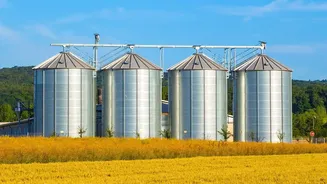
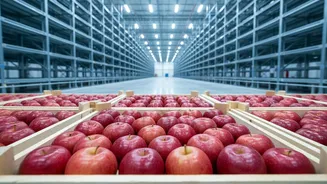
The turning point has been the widespread adoption of Controlled Atmosphere (CA) storage facilities. Unlike conventional cold storage, CA technology meticulously manages the levels of oxygen, carbon dioxide, nitrogen, temperature, and humidity within sealed chambers. This scientific approach slows down the ripening process, extending the apple's shelf life from a few months to as long as ten. This innovation is a lifeline for growers. It allows them to move away from the panic of immediate post-harvest sales and strategically release their produce into the market when demand and prices are more favourable. As a result, farmers who once received ₹550-650 for a box of apples can now command prices of ₹1,200-₹1,500 or more by using CA stores, effectively doubling their income.
Cooperatives Leading the Charge
While individual entrepreneurs have set up many CA facilities, local farmer cooperatives are playing a crucial role in making this technology more accessible. By pooling resources and organising collectively, these cooperatives help small and marginal farmers gain access to modern storage, something they could not afford alone. This cooperative push, supported by government subsidies and technical guidance, is democratising the benefits of the cold-chain revolution. The government has actively encouraged this shift, with plans to establish numerous additional facilities to significantly increase the valley's storage capacity. This has empowered farmers, giving them greater control over their own produce and strengthening their bargaining power against middlemen and market fluctuations.
Beyond Storage: A Modern Cold Chain
Modernisation efforts are not stopping at the storage units. The focus is expanding to create an integrated cold chain, which includes refrigerated transport vans and modern packhouses. The journey from the orchard to the market is fraught with risks, and maintaining the cold chain during transit is just as critical as the initial storage. A stable, temperature-controlled journey ensures that the quality preserved in the CA store is not lost on the way to markets in Delhi, Mumbai, or beyond. These logistical upgrades are essential to safeguarding the fruit's freshness and value, ultimately ensuring that the premium price earned is justified by the apple's quality upon arrival. The modernisation of the entire supply chain helps mitigate the risks of transport disruptions, which have historically caused massive losses.
The Road Ahead
Despite this remarkable progress, challenges remain. The high operational cost of CA stores, particularly electricity expenses, can be a burden. There is also a pressing need to expand the network of these facilities into more remote fruit-growing areas to reduce transport costs and benefit smaller farmers. Furthermore, some experts note that the shift towards new high-density apple varieties, which are less suited for long-term storage, may require a parallel focus on fruit processing and value-added products like juices and concentrates to absorb surplus produce. However, the momentum is undeniable. The expansion of cold storage capacity reflects a fundamental shift in strategy for Kashmir's apple industry—from being reactive sellers to proactive market players.