


Prepping Your Garden for the Rains
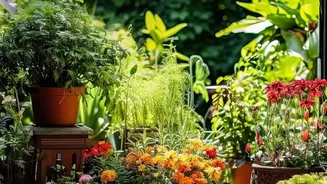
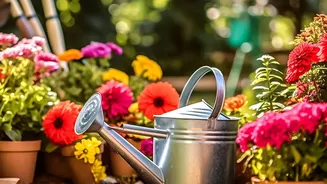
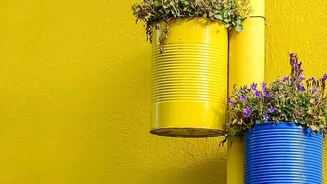
Before you introduce new plants, a little preparation goes a long way. The biggest challenge during the monsoon is managing excess water. Ensure every pot has clear drainage holes to prevent waterlogging, which can lead to root rot. It can be helpful
to elevate pots on stands or bricks to allow water to escape freely. Using a well-draining potting mix, often containing cocopeat, compost, and sand or perlite, is crucial for keeping roots healthy. Finally, while the rains provide natural irrigation, keep an eye on plants under covered areas to ensure they don’t dry out completely.
Hibiscus: The Tropical Showstopper
A star performer in the rainy season, the Hibiscus produces an abundance of large, trumpet-shaped flowers that can turn any terrace into a tropical paradise. Available in a dazzling array of reds, pinks, yellows, and oranges, these plants love the humidity and warmth of the monsoon, which encourages vigorous growth and flowering. For the best results, place your hibiscus in a spot that receives four to six hours of sunlight and prune it regularly to encourage more blooms. While it loves moisture, ensure the soil doesn't become waterlogged.
Balsam: The Effortless Bloomer
Known as 'Gulmehndi' in Hindi, Balsam is a classic monsoon flower, beloved for being one of the easiest plants to grow during this season. It thrives in moist conditions and partial sunlight, producing soft, camellia-like flowers in lovely shades of pink, white, red, and violet. Balsam blooms profusely from July through September, making it a reliable choice for adding consistent colour to pots and flowerbeds throughout the rains. Its cheerful appearance makes it a favourite for beginner and experienced gardeners alike.
Rain Lily: The Monsoon Surprise
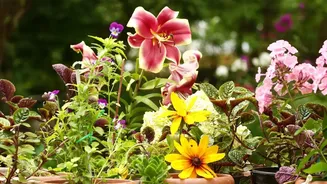
True to its name, the Rain Lily is one of the most magical monsoon plants. These flowers often seem to appear overnight following a good shower, creating a delightful surprise in the garden. Their delicate, elegant blossoms come in shades of white, pink, and yellow. Rain Lilies are incredibly low-maintenance and grow from bulbs, returning year after year. They are perfect for pots, as borders, or even naturalised in a small lawn patch, requiring little more than well-draining soil to put on their spectacular show.
Marigold: The Cheerful Protector
A staple in Indian homes for festivals and decoration, the Marigold is also a fantastic monsoon plant. Its bright, cheerful blooms of gold and orange stand up well to downpours, providing a welcome splash of sunshine on grey days. Marigolds are easy to grow and have the added benefit of naturally repelling several common garden pests. They thrive in moderate sunlight and well-draining soil. To keep the flowers coming, simply pinch off the old, spent blooms.
Jasmine: The Fragrant Vine
For those who believe a garden should appeal to all senses, Jasmine (including Mogra) is an essential monsoon addition. These fragrant flowers thrive in the high humidity, and their sweet, intoxicating scent is particularly potent in the cool, moist air after a downpour. Whether grown as a vine on a trellis or as a shrub, the delicate white flowers add a touch of serene elegance. Jasmine prefers a sunny spot and regular pruning to encourage new, flower-bearing growth.
Beyond Flowers: Lush Foliage
Colour isn’t just about flowers. The monsoon is an excellent time for foliage plants that add texture and deep green hues to your garden. Many tropical plants like Money Plant (Pothos), Ferns, Syngonium, and Peace Lilies love the increased humidity. You can even move some of your hardier indoor plants to a sheltered spot on the balcony to let them enjoy a gentle rain shower, which helps wash dust off their leaves and encourages fresh growth.