







More Than a Monsoon Spectacle
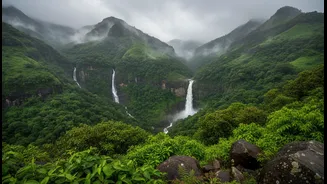
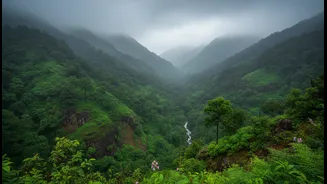
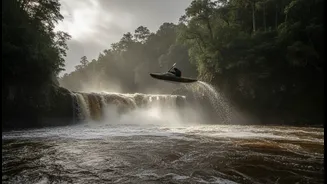
Every year, as the rains lash the Malabar coast, something remarkable happens on the Chalipuzha and Iruvazhinjipuzha rivers. What was once simply a powerful display of nature has been harnessed into one of Asia's largest and most demanding white-water
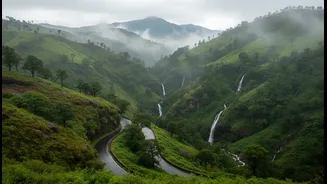
kayaking competitions. The Malabar River Festival, now in its 12th edition, is a cornerstone of Kerala's monsoon tourism strategy, drawing elite athletes from over 20 countries and more than a hundred of India's best paddlers. Organized by the Kerala Adventure Tourism Promotion Society (KATPS) and local tourism bodies, the four-day event transforms the area around Thusharagiri into a global hub for adventure sports, proving that the state’s appeal goes far beyond its serene backwaters.
A Gauntlet of Raging Rapids
This is no leisurely paddle. The headline 'skills decision' is an understatement. Participants face a grueling series of events designed to test every facet of their ability. Competitions like the Kayak Cross (also called Boater Cross), Slalom, and the Downriver Race push athletes to their limits. Navigating the turbulent, monsoon-fed rapids requires more than just courage; it demands split-second decision-making, expert river-reading ability, and immense physical endurance. The open category is reserved for seasoned professionals with proficiency in handling Class 3 rapids or higher, making it a true contest of the world's best. The ultimate prize is to be crowned 'Rapid Raja' or 'Rapid Rani', a title that signifies mastery over these formidable waters.
From Local Event to Global Stage
The festival's growth reflects a significant shift in India's adventure tourism landscape. It has evolved from a niche local gathering into a professionally managed international championship with substantial prize money. This transformation was deliberate, a joint effort by Kerala Tourism and kayaking associations to build a world-class event. The technical oversight from the Indian Kayaking and Canoeing Association ensures that safety and competition standards are on par with global events. As a result, the festival not only attracts established world champions but also serves as a crucial platform for aspiring Indian athletes, with performances here acting as selection trials for the national team.
The Ripple Effect on Malabar
The impact of the festival extends far beyond the riverbanks. It has firmly placed the Malabar region, specifically Kozhikode, on the international map for high-octane adventure, diversifying Kerala's tourism portfolio. For years, the state was primarily known for beaches and backwaters, but events like this showcase its rugged, wild side. The influx of athletes, support teams, and spectators provides a significant economic boost to local communities during the otherwise lean monsoon season. Pre-event programs and local involvement are actively encouraged, building a sense of community ownership and excitement around the championship. It has also spurred the development of infrastructure, such as the International Kayaking Facilitation Centre at Pulikkayam, which trains the next generation of paddlers.