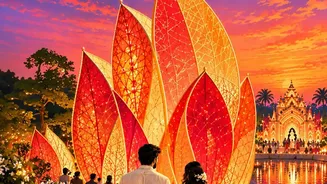




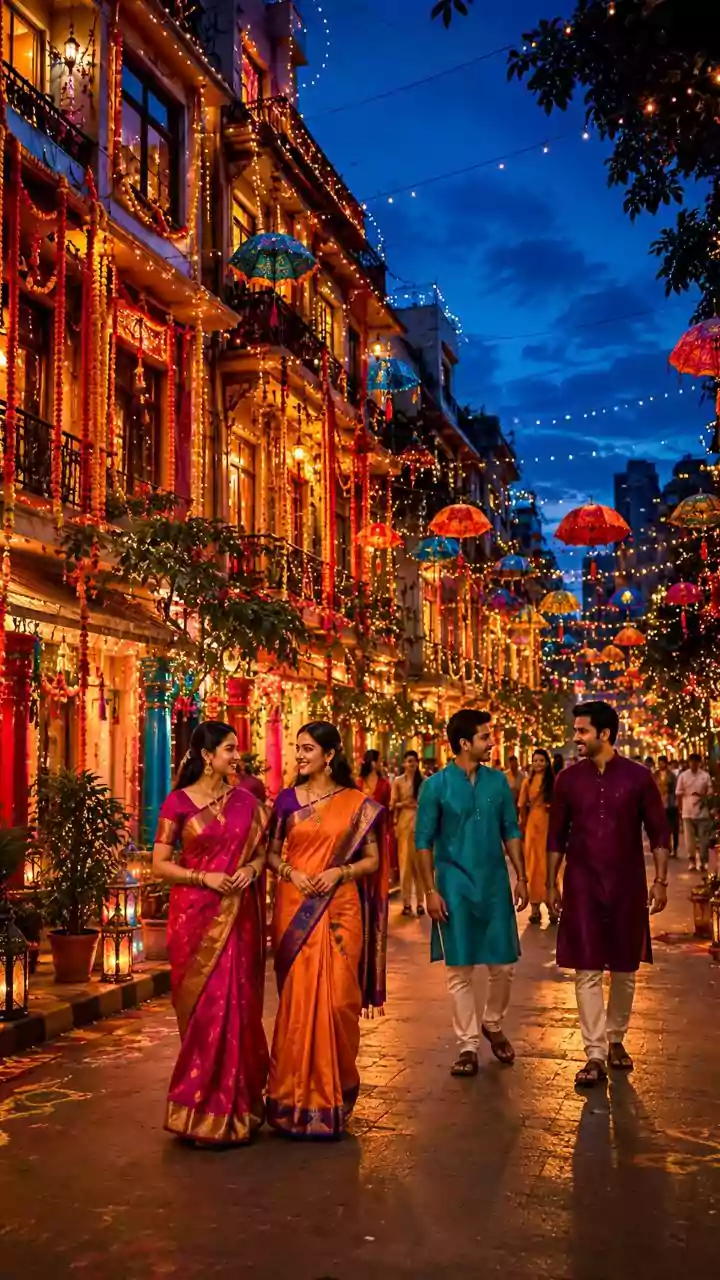


Imagine millions of lamps lighting up a holy river, their glow reflecting on the water as chants fill the air. This is Deepotsav in Ayodhya, a spectacle of faith and light. If you're seeking a truly unique festival experience, here's your guide.
What is Ayodhya Deepotsav?
Deepotsav,
or the 'festival of lamps', is a grand celebration held in Ayodhya, Uttar Pradesh, to mark the legendary return of Lord Ram to his kingdom after 14 years of exile. According to the Ramayana, the people of Ayodhya welcomed him by illuminating the entire city with earthen lamps, or diyas. This tradition is recreated annually on an epic scale, symbolising the victory of light over darkness and good over evil. Started as a major government-organised event in 2017, it has grown into one of the world's most significant light festivals, drawing visitors from all over the globe.
A Record-Breaking Spectacle of Light
Each year, Ayodhya's Deepotsav aims to be bigger and brighter than the last, consistently setting new Guinness World Records for the largest display of oil lamps. In previous years, the number of diyas has climbed from just over 1.7 lakh in 2017 to over 25 lakh. For Deepotsav 2026, the city is preparing to light nearly 3 million diyas along the ghats of the Saryu River, particularly at the iconic Ram Ki Paidi. This breathtaking display is made possible by thousands of volunteers who meticulously arrange and light the lamps, creating a river of light that transforms the city.
Dates and Key Events for 2026
In 2026, Diwali falls on November 8. The main Deepotsav celebrations in Ayodhya are scheduled for the preceding day, Saturday, November 7, with festivities spanning from November 6 to 8. The main events begin on November 6 with a 'Shobha Yatra', a grand procession of tableaus depicting scenes from the Ramayana. The highlight on November 7 is the mass lighting of diyas at dusk, followed by the grand Saryu Aarti, a synchronised prayer ceremony. This year will also feature a spectacular drone show with over 2,000 drones, 3D projection mapping, laser shows, and Ramlila performances by international troupes.
How to Reach Ayodhya
Ayodhya is well-connected for travelers. By air, the Maharishi Valmiki International Airport is the city's own airport. Alternatively, airports in Lucknow (135 km) and Varanasi (200 km) are viable options, with road travel to follow. By train, Ayodhya Dham Junction is the main railway station with direct services from major cities like Delhi and Mumbai. If travelling by road, be aware that vehicle restrictions are common within the city during the festival, especially around key venues, so be prepared to walk the final stretches.
Where to Stay and What to Expect
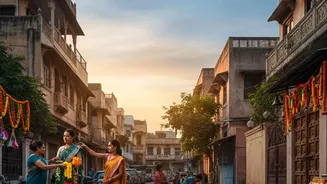
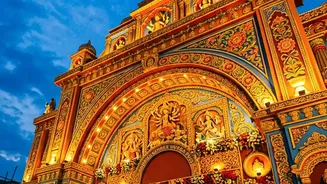
Accommodation in Ayodhya during Deepotsav requires advance planning, as hotels and dharamshalas get booked out weeks, if not months, ahead. Options range from budget_friendly guesthouses to mid_range and a few luxury hotels. The areas near Ram Mandir and the Saryu ghats are most convenient but also the most expensive. Expect massive crowds, especially on the main Deepotsav evening. To get a good viewing spot at the ghats, it's advisable to arrive by late afternoon. The city will be adorned with Ramayana_themed decorations, grand gateways, and selfie points to enhance the festive atmosphere.
Beyond the Diyas: Other Must_See Places
While Deepotsav is the main draw, make time to explore Ayodhya's other sacred sites. A visit to the newly inaugurated Ram Mandir is essential for most pilgrims. Other key temples include Hanuman Garhi, which devotees often visit before the Ram Mandir, and Kanak Bhawan, a beautiful shrine dedicated to Lord Ram and Sita. A walk along the redeveloped Ram Path connects these major sites and is lined with shops and eateries. Experiencing the daily Saryu Aarti, even on a non_festival day, is a serene and powerful experience.